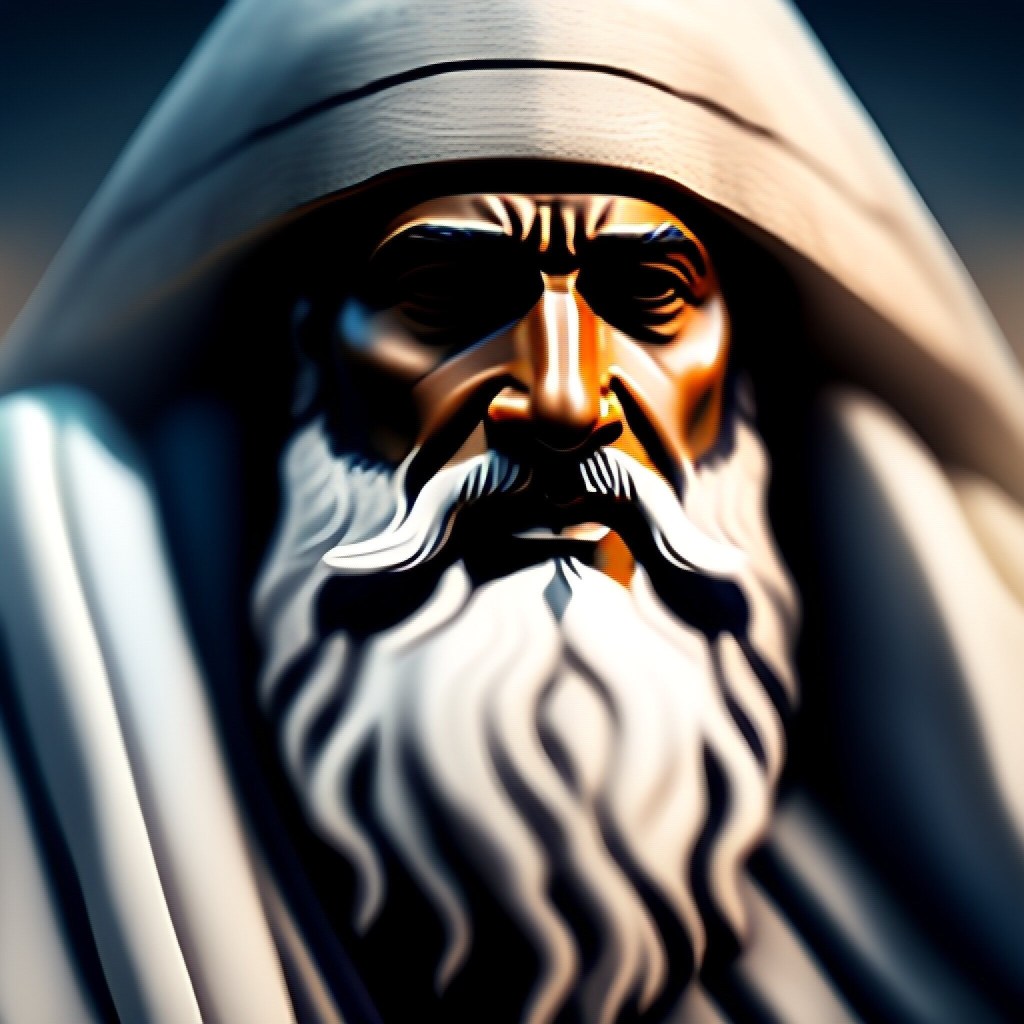
The Story of Moses continued
This true story is in the Biblical Books of Exodus, Leviticus, Deuteronomy, and Numbers. Moses is the prophet most mentioned in the New Testament.
Moses holds significant importance in the histories of Judaism, Christianity, and Islam. Beginning as a key prophet and leader for Yahweh’s people in the Hebrew Bible, Moses’ story extends to become crucial in Christianity as well. To fully grasp the context of Moses’ narrative, it is best to refer to the Hebrew Bible’s account. The Torah, encompassing the initial five books of the Hebrew Bible, recounts Moses’ birth, upbringing amongst the Egyptians, his role in liberating the Israelites from slavery, and his establishment of laws and structure within the Israelite religion and society.
In essence, Moses’ story revolves around a Jewish boy born into slavery who ultimately leads the Israelites out of Egypt and towards their new homeland. The Book of Exodus initiates Moses’ tale, where the Israelites find themselves enslaved by a new pharaoh after seeking refuge from famine during Joseph’s era in the Book of Genesis. Moses’ journey concludes with his passing in the Book of Deuteronomy, the final book of the Torah.
Childhood
Moses was born to Amram and Jochebed, Israelite slaves in Egypt. Both his parents belonged to the Levite tribe, which later became known as the priestly tribe. At the time of Moses’ birth, the number of Israelites in Egypt had greatly multiplied, leading the pharaoh to fear their potential uprising. To prevent this, he decreed that all male infants be drowned in the Nile River. In order to save Moses, his mother placed him in a basket on the river, ensuring his safety.
The pharaoh’s daughter discovered Moses crying in the basket and had her maid retrieve him from the water. Moses’ own mother was hired to nurse him, and he grew up as the pharaoh’s daughter’s adopted son.
Midian
While Moses was brought up in the Egyptian court, there are limited details about his childhood following his rescue. As he grew older, he became aware of the harsh treatment inflicted upon his fellow Israelites by the Egyptians. Witnessing an Egyptian slaver beating an Israelite, Moses intervened and killed the Egyptian, burying his body to avoid repercussions. To escape the pharaoh’s wrath, Moses fled Egypt and sought refuge in Midian, a land situated east of Egypt along the northeastern banks of the Red Sea. In Midian, Moses encountered Zipporah, whom he eventually married. Her father offered Moses shelter in exchange for tending to their flock as a shepherd. Moses and Zipporah had two sons: Gershom and Eliezer.
During his time in Midian, Moses experienced a prophetic call from Yahweh in the form of a burning bush on Mount Horeb. Throughout the Torah, Yahweh frequently appeared as a pillar of fire, and this encounter was no exception. Yahweh manifested within a bush that burned but remained unconsumed by the flames. This event marked the beginning of Moses’ prophetic mission, with Yahweh revealing that he would lead the Israelites out of slavery. As Moses journeyed back to Egypt with his family, he was joined by his brother Aaron, who later became the first Israelite priest. According to the Book of Exodus, Moses lived in exile in Midian for forty years before returning to Egypt.
Exodus
Upon his return to Egypt, Moses confronted the pharaoh, demanding the release of the Israelites as commanded by Yahweh. However, Yahweh hardened Pharaoh’s heart, ensuring that he would not acquiesce to Moses’ request. This allowed Yahweh to demonstrate his power through a series of ten plagues imposed on Egypt in an attempt to convince Pharaoh to free the Israelites. These plagues included turning the Nile River into blood, killing the Egyptians’ livestock, and swarming locusts that devoured Egyptian crops. The final and most devastating plague involved the death of all firstborn sons. To protect themselves from this plague, the Israelites marked their doorways with lamb’s blood, signifying a sacrificial symbol that signaled the Angel of Death to pass over their homes. As a result, the Pharaoh’s own son perished, finally compelling him to release the Israelites.
Yet, as the Israelites departed, the Pharaoh had a change of heart and pursued them with his army of chariots. The Israelites, on foot, found themselves at the Red Sea, where Yahweh commanded Moses to stretch his hand over the waters, causing them to part and grant the Israelites safe passage. Once the Israelites had crossed, Yahweh released the waters, drowning the pursuing Egyptians. This event came to be known as the Exodus, meaning the “exit” from Egypt.
Mount Sinai
Moses was entrusted with leading the Israelites to the “Promised Land” that Yahweh had vowed to give them — the land of Israel.
Calling and Exodus
One day, while Moses was in the wilderness of Midian, he encountered a burning bush that was not consumed by the fire. From the bush, God spoke to Moses and called him to be the leader who would deliver the Israelites from their slavery in Egypt. God revealed His name to Moses as Yahweh and commanded him to go to Pharaoh and demand the release of the Israelites.
Reluctant at first, Moses expressed his insecurities and lack of eloquence. However, God assured Moses that He would be with him and help him speak. With his brother Aaron as his spokesman, Moses returned to Egypt and confronted Pharaoh, demanding the release of the Israelites. Despite various signs and wonders performed by Moses and Aaron, Pharaoh hardened his heart and refused to let the Israelites go.
As a result, God sent ten devastating plagues upon Egypt, including turning the Nile into blood, sending swarms of flies and locusts, and causing darkness to cover the land. The final plague was the death of the firstborn in every Egyptian household. However, the Israelites were instructed to mark their doorposts with the blood of a lamb, and the angel of death passed over their homes, sparing their firstborn.
Passover and Liberation
Following the tenth plague, Pharaoh finally relented and allowed the Israelites to leave Egypt. They hastily packed their belongings and began their journey towards freedom. This event is celebrated annually by Jews during the festival of Passover.
However, soon after their departure, Pharaoh changed his mind and pursued the Israelites with his army. Trapped between the Red Sea and the approaching Egyptians, Moses lifted his staff, and God miraculously parted the sea, allowing the Israelites to cross on dry land. Once they safely reached the other side, Moses lowered his staff, and the waters rushed back, drowning the pursuing Egyptian army.
Journey and Revelation
With their liberation from Egypt, the Israelites found themselves in the wilderness. Moses led them on a journey towards the Promised Land, but their faith was often tested. They experienced scarcity of food and water, and at times, the Israelites doubted God’s faithfulness. However, God provided manna (bread from heaven) and water from a rock to sustain them.
During their time in the wilderness, Moses ascended Mount Sinai, where he received the Ten Commandments directly from God. These commandments became the foundation of the Israelite law and the covenant between God and the people.
Legacy and Passing
Moses’ leadership lasted for forty years as he guided the Israelites through the wilderness. However, due to an act of disobedience, Moses himself was not allowed to enter the Promised Land. Before his death, Moses appointed Joshua as his successor to lead the Israelites into Canaan.
Moses passed away at the age of 120, and the Israelites mourned his loss. His legacy as the great leader and prophet of Israel lives on, and his story continues to inspire individuals across different faiths to this day.