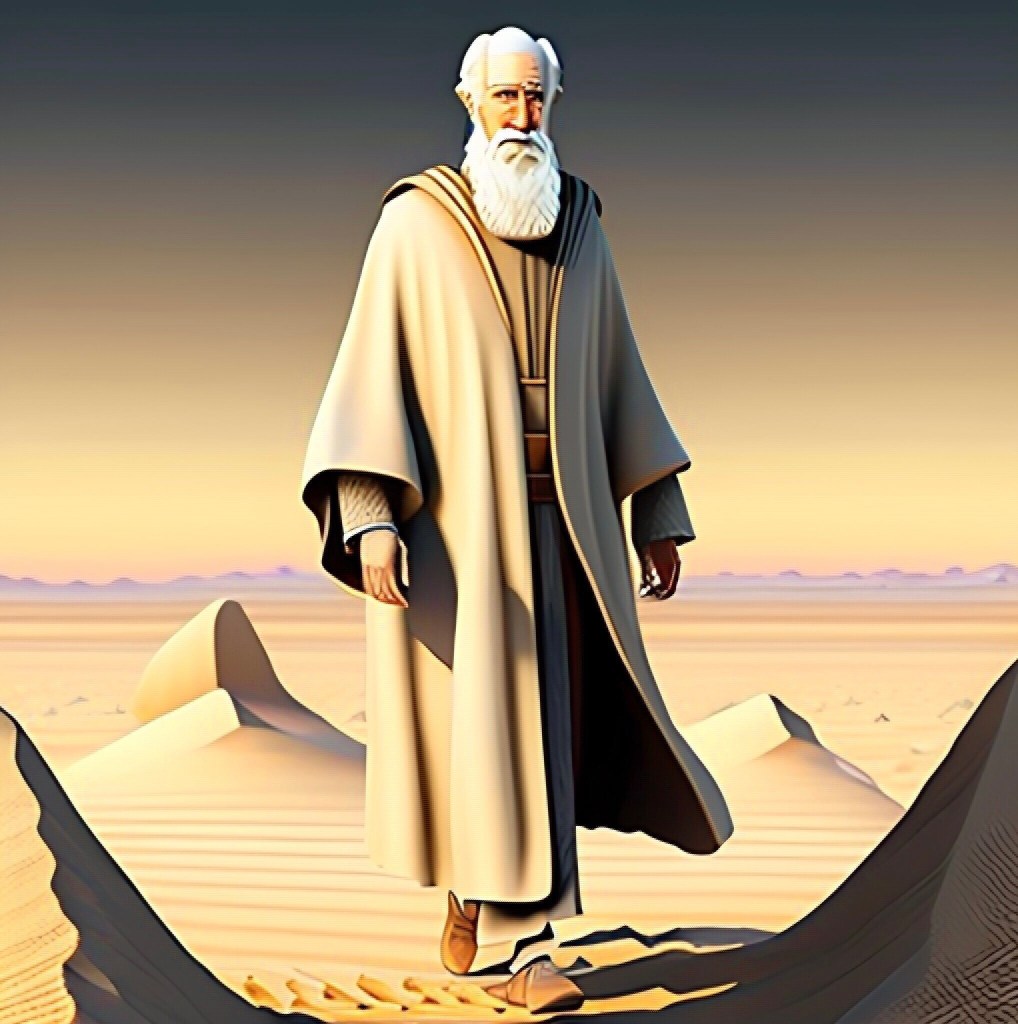
The book of Joshua is the sixth book of the Bible and follows directly after Deuteronomy. It tells the story of the Israelites’ conquest of the Promised Land under the leadership of Joshua, Moses’ successor.
The book begins with the Israelites crossing the Jordan River into the land of Canaan. They encounter several obstacles, including the fortified city of Jericho. But with the help of God, they are able to defeat these obstacles and claim the land as their own.
One of the key themes of Joshua is the importance of obedience to God’s commands. Joshua is portrayed as a faithful servant of God who follows His instructions without hesitation. This obedience leads to success in battle and the fulfillment of God’s promise to give the land to the Israelites.
Another important theme is the idea of divine judgment. The book portrays God as a just and righteous judge who punishes sin and rewards obedience. The Israelites are warned against worshipping other gods and disobeying God’s commands, and those who do so are punished severely.
The book also highlights the importance of faith and trust in God. The Israelites face many challenges and obstacles, but they are able to overcome them through their faith in God and His power to deliver them. This faith is exemplified by figures such as Rahab, the prostitute who helps the Israelite spies in Jericho, and Caleb, who remains faithful to God even when the other Israelites doubt His ability to deliver the land to them.
Overall, the book of Joshua is a powerful testament to the faithfulness of God and the importance of obedience and faith in Him. It provides a powerful example of how God can use ordinary people to accomplish extraordinary things, and how He rewards those who remain faithful to Him.
Once a time, in the peaceful town of Serenityville, there lived a remarkable woman named Evelyn. At the age of 88, she was a shining example of vitality and health. Despite her advanced years, Evelyn had the energy and enthusiasm of someone half her age.
Every morning, like clockwork, Evelyn would don her vibrant swimsuit and head to the local community center for her favorite activity – water aerobics. Rain or shine, she would join her friends and dive into the invigorating pool, splashing and moving with grace. The water seemed to rejuvenate her body and spirit, leaving her feeling refreshed and alive.
But Evelyn’s healthy lifestyle extended far beyond her exercise routine. At the age of 40, she had experienced a health scare that served as a wake-up call. Determined to take control of her well-being, she made a conscious decision to transform her habits.
She bid farewell to smoking and drinking, recognizing the detrimental effects they had on her health. Instead, she devoted herself to nourishing her body with wholesome foods. Evelyn embraced the power of ancient and heritage grains, discovering the nutritional benefits they provided. Bob’s Red Mill products became a cornerstone of her diet, and she found great joy in experimenting with quinoa recipes and incorporating plenty of fresh vegetables.
Evelyn’s dedication to her physical health was equally matched by her commitment to the environment. She chose to store her food in glass containers, reducing her reliance on plastic and its harmful impact on the planet.
As Evelyn nurtured her body, she also nurtured her soul. She actively engaged with her church and community, finding solace and inspiration in the company of kindred spirits. Socializing became her new form of enjoyment, replacing the need for alcohol with meaningful connections.
Evelyn’s transformation was nothing short of miraculous. Her newfound lifestyle had not only improved her physical well-being but had also created a deep sense of contentment within her. Doctors marveled at her vitality, telling her that her body’s age reflected that of a much younger person.
Inspired by her own journey, Evelyn became a beacon of hope and inspiration in her community. People from all walks of life flocked to her for advice and encouragement. She firmly believed that age was just a number and that anyone, regardless of their stage in life, could choose to make positive changes and live a better, healthier life.
Evelyn’s story spread far and wide, capturing the hearts and minds of people young and old. She became a living testament to the power of mind, body, and spirit health. Evelyn’s unwavering enthusiasm and zest for life ignited a spark of possibility in everyone she met, reminding them that it was never too late to embrace a healthier lifestyle and to live their best lives.
And so, in the town of Serenityville, a legend was born – the inspiring tale of Evelyn, the vibrant 88-year-old woman who defied aging with her commitment to wellness and the remarkable belief that change was possible for all.
Her special breakfast
Oatmeal 1/2 cup 1 minute oats are fine, 1 tablespoon hemp seeds, 1 tablespoon chia seeds, 5-6 chopped walnuts, 2 teaspoons dry cranberries or raisins, 1-2 cups water she only uses water no milk , microwave on high 1 minutes 15 seconds or use boiling hot water and let sit 2 minutes. Now add strawberries or grapes or bananas.
Then go for a nice walk
Here are some of the BlueZone Recipes she eats.
LONGEVITY STEW
Makes 4 servings
Ingredients:
• 1 cup dried black-eyed peas (or 8-ounce can, drained)
1 cup chic peas
1 carrot chopped small
1 stalk celery chopped small
• 1 1/2 cup extra-virgin olive oil, divided
• 1 large red onion, finely chopped
• 4 garlic cloves, finely chopped
• 1 fennel bulb, chopped
• 3 large ripe plum tomatoes,finely chopped
• 2 teaspoons tomato paste, diluted in 1/4 cup water
• 1-2 bay leaves
• 1 bunch dill, finely chopped
• Salt and pepper to taste (optional)
Directions:
If using dried black-eyed peas:
Cover with water and bring to a boil for 1 minute. Remove from heat, cover and let stand for an hour. Drain and rinse. If using canned beans, skip this step.
In a large pot, heat half the olive oil over medium heat and cook the onion, garlic and fennel, stirring occasionally until soft, about 12 minutes. Add the black-eyed peas and toss to coat with oil. Add the tomato, tomato paste, and enough water to cover the beans by about an inch. Add the bay leaves. Bring pot to a boil; reduce heat and simmer until the black-eyed peas are about halfway cooked (if using dried peas). Check after 40 minutes, but it may take more than an hour. If using canned peas, skip to the next step after 10 minutes. Add the chopped dill and season with salt and pepper to taste. Continue cooking until the peas are tender, about 20 minutes. Remove from heat and discard bay leaves. Drizzle in remaining olive oil. Stir and serve.

HUMMUS WITH PARSLEY
From Ikaria, Greece
Makes 6 servings
Ingredients:
• 1-pound dried chickpeas, soaked overnight and cooked until soft (or three 15-ounce cans, drained)
• 3 cloves garlic
• 1/2 cup extra-virgin olive oil, plus more for serving
• 2 tablespoons red wine vinegar
• 1/4 cup parsley, chopped
• Salt to taste (optional)
Directions:
Put chickpeas and garlic in a food processor or high-pow-ered blender and blend until roughly pureed. Drizzle with olive oil and vinegar. Sprinkle with parsley and salt to taste. Serve with raw vegetables, pita, or good, crusty bread for dipping.
VEGGIE CASSOLA
From Sardinia, Italy.
Serves 4
Ingredients:
• 1 zucchini, cut into 1/2-inch dice
• 1 large onion, chopped
• 2 large red or yellow bell peppers, chopped
• 2 carrots, peeled and coarsely chopped
• 1 Italian eggplant, cut into 1/2-inch dice
• 1/2-cup extra-virgin olive oil
• Salt and pepper (optional)
• 1 bunch parsley, washed and chopped
• 5 basil leaves
• 1 sprig thyme, stemmed and minced
• 1 sprig oregano, stemmed and minced
• 3 bay leaves
Directions:
Preheat oven to 300 degrees. In a large bowl, toss all vegetables with olive oil. Add salt and pepper to taste. Toss with herbs, then spread out evenly in a large roasting pan. Roast for 1 hour. Remove bay leaves and garnish dish with sprigs of parsley, thyme or oregano. Serve with crusty sourdough bread.
This is a reference to the blue zone lifestyle that she chose to follow that changed her health.
Deuteronomy is the fifth book of the Bible and contains important teachings and laws that God gave to Moses on Mount Sinai. The book is divided into three main sections: a historical overview, a collection of laws and regulations, and a call to obedience.
The first section of Deuteronomy provides a review of the Israelites’ journey from Egypt to the Promised Land. It recounts significant events such as the Exodus, the giving of the Ten Commandments, and the rebellion at Kadesh Barnea. Through this historical overview, Moses reminds the Israelites of God’s faithfulness and encourages them to trust in Him as they enter into the Promised Land.
The second section of Deuteronomy contains a collection of laws and regulations that cover a wide range of topics, including worship, justice, and morality. These laws are intended to guide the Israelites in their daily life and help them maintain their relationship with God. Some of the key laws include the prohibition against idolatry, the requirement to observe the Sabbath, and the commandment to love God with all one’s heart, soul, and strength.
The final section of Deuteronomy is a call to obedience. Moses urges the Israelites to follow God’s commands and warns them of the consequences of disobedience. He emphasizes the importance of choosing life over death, blessing over curse, and obedience over rebellion. Through this final message, Moses seeks to impress upon the Israelites the gravity of their decision to either follow God or turn away from Him.
In conclusion, Deuteronomy is a significant book in the Bible that contains important teachings and laws for the Israelites. It provides a historical overview of their journey to the Promised Land, a collection of laws and regulations to guide their daily life, and a call to obedience. Through these teachings, Moses encourages the Israelites to trust in God, follow His commands, and maintain their relationship with Him.
There in a small town called Harmonyville, there lived a woman named Deb, She had faced numerous challenges and struggles and pain, from being a battered woman survivor, survives 1am 2 degree burns from a medication that was prescribed in error,and many other things happened in her life but she had always managed to find a way to overcome them and embrace new opportunities.
After living with chronic joint pain from osteoarthritis for over two decades, Deb found herself unable to continue working as an apprentice optician. She was diagnosed with 2 more bone and joint issues osteonecrosis and spondylolisthesis , and 3 blood clot disorders. It was a difficult decision to make, as she loved helping people with their vision, but her health had taken a toll on her ability to perform the physical demands of the job. So she was medically retired (disabled) .
Rather than allowing her circumstances to define her, Deb had to go on disability and this made her depressed so she began studying the Bible on her own and found it confusing at times and so she a few months later decided to embark on a new chapter of her life. She enrolled in Bible classes and theology courses, driven by her deep faith and desire to spread the good word. Little did she know that this path would lead her to an unexpected calling.
As she dived deeper into her studies, Deb discovered her knack for writing and storytelling. She realized that she could make the teachings of the Bible more understandable she made narratives and inspiring stories. With her gift for words, she started a blog where she shared biblical stories, adding her own unique touch to captivate her readers.
Deb’s stories were filled with faith , hope, love, and redemption. They offered a refreshing perspective, focusing on the positive aspects of life rather than the constant stream of bad news and horror stories that seemed to dominate the media. Her words resonated with people from all walks of life; they inspired them to explore their faith, seek understanding, and find solace in the teachings of the Bible.
Though some questioned her decision to pursue this path, Deb remained steadfast in her belief that women had a valuable role to play in spreading the message of love and compassion. She dedicated herself to breaking down gender barriers, encouraging others to embrace their spiritual gifts and share them with the world. She understood t
Over time, Deb’s blog gained a loyal following, and her stories became widely read and cherished. People were drawn to the warmth and sincerity of her words, finding comfort in the stories she shared. Through her writing, Deb created a community of like-minded individuals who sought to live by the principles of kindness, empathy, and understanding.
Deb’s journey from apprentice optician, to medically retired to pt as a customer service representative turned minister and blogger storyteller was not an easy one. It required strength, resilience, and an unwavering belief in herself. But through her trials, she discovered her true purpose: to spread the good word and inspire others through the power of storytelling. Still living with chronic pain.
And so, every day, Deb continued to write, weaving tales that touched hearts and transformed lives. Her stories carried a message of hope and reminded people that even in the darkest of times, faith could guide them towards light. Through her Bible blogs and storytelling, Deb created a legacy of love, encouraging others to find their own unique ways of making a positive impact on the world.
And as her words traveled far and wide, the spirit of compassion and understanding flourished, reminding everyone that sometimes, the most extraordinary journeys begin with the smallest acts of courage.
In the land of Canaan, there lived a couple named Abraham and Sarah. They were known for their unwavering faith and devotion to God, but one thing weighed heavily on their hearts – the absence of children.
Sarah, at an advanced age, had lost hope of ever conceiving. However, God had made a promise to her and Abraham, assuring them that they would have a child. When Sarah heard this, she couldn’t help but laugh in disbelief. She couldn’t fathom how it was possible for her, an aging woman, to bear a child. Yet, God’s promises are never empty, and His timing is always perfect.
Genesis 18:12-14 (NIV) says, “So Sarah laughed to herself as she thought, ‘After I am worn out and my lord is old, will I now have this pleasure?’ Then the Lord said to Abraham, ‘Why did Sarah laugh and say, ‘Will I really have a child, now that I am old?’ Is anything too hard for the Lord? I will return to you at the appointed time next year, and Sarah will have a son.'”
Despite her initial laughter, Sarah chose to trust in God’s promise. And just as He had said, at the appointed time, Sarah conceived and bore a son. This brought immeasurable joy to her heart, and she named him Isaac, which means “laughter.”
Genesis 21:6-7 (NIV) states, “Sarah said, ‘God has brought me laughter, and everyone who hears about this will laugh with me.’ And she added, ‘Who would have said to Abraham that Sarah would nurse children? Yet I have borne him a son in his old age!'”
Sarah’s story teaches us the power of faith and the importance of trusting in God’s timing. We may laugh in disbelief or doubt, but God is faithful to fulfill His promises. For truly, nothing is impossible for Him.
Jeremiah 32:27 (NIV) reminds us, “I am the Lord, the God of all mankind. Is anything too hard for me?”
So let us remember Sarah’s laughter, both in skepticism and in joy, and let it encourage us to trust in the One who can do the impossible. May we wait patiently, knowing that our own appointed time will come, bringing forth joy and fulfillment beyond our wildest imagination.
Happy Wonderful Wednesday, everyone! Today, let’s take a moment to appreciate the beauty in simplicity and find joy in the little things that bring happiness into our lives. 🌸✨
☕️ Start your day with a good cup of coffee or tea. Feel the warmth of the mug in your hands, savor the aroma, and let it awaken your senses. It’s amazing how such a simple pleasure can set a positive tone for the day ahead.
🌞 Step outside and feel the gentle caress of the sun on your face. Close your eyes and let its warmth envelop you. Take a deep breath and soak in all the positive energy it offers. Nature has a way of reminding us of life’s simple yet powerful treasures.
📚 Dive into a good book that transports you to different worlds and ignites your imagination. Lose yourself in its pages and let the characters and their stories captivate your mind. Allow the words to nourish your soul and provide a momentary escape from reality.
💤 Prioritize self-care and indulge in a good night’s sleep. Create a soothing bedtime routine that helps you unwind and relax. Let go of the day’s worries and allow your mind and body to fully recharge. Wake up feeling refreshed and ready to embrace whatever comes your way.
📱 The joy we feel when we receive a phone call from our loved ones, especially our children, is unmatched. Their voices and laughter carry a special warmth that brings a smile to our faces. Cherish these moments and let them remind you of the strong bonds and deep love that connects us.
🍪 Whip up some warm cookies with your grandma’s treasured recipe. Spend time in the kitchen, creating something delicious together, and relishing in the shared memories and stories. The act of baking and the sweet smell that envelops the house is a reminder of the love and tradition that keeps us grounded.
🤗 Finally, never underestimate the power of a simple hug. Embrace those around you and feel the warmth, love, and connection it brings. A hug has the magical ability to lift spirits, mend hearts, and spread happiness. Share this beautiful gesture with your loved ones and watch the joy ripple throughout your day.
✨ Remember, it’s the little things in life that truly matter and bring us the most joy. Material possessions may fulfill our desires, but it’s the simple pleasures that nourish our souls and fill our hearts with contentment. Embrace the beauty of simplicity, and let it guide you to a fulfilling and joyful life! 🌟💖
In a small town called Brightville, there lived a man named Tom. Tom was a devout Christian, who had always felt a deep calling to spread the word of God and share the message of love and hope with others. One day, as he was reading the Bible in his garage, an idea sparked within him.
Tom realized that the power of technology could be harnessed to reach people far and wide. He decided to start an online Bible teaching ministry, right from the confines of his humble garage. With his laptop, a small camera, and a heart filled with passion, Tom began recording his teachings and sharing them on the internet.
At first, the response to his online ministry was slow. But Tom didn’t lose faith. He continued to pour his heart into each message, hoping that it would touch the lives of those who watched. He prayed fervently for guidance and asked God to bless his efforts.
Little did Tom know, his dedication and sincerity were resonating with people all around the world. Within a few months, his teachings started to gain traction. People from different countries and backgrounds were finding solace, inspiration, and a renewed sense of faith through his online ministry.
As the word spread, more and more people started following Tom’s ministry. His garage became a bustling hub of activity, with volunteers helping him manage the growing online community. Tom’s teachings touched the hearts of not just individuals, but also families, small groups, and even churches.
With the support of his newfound community, Tom expanded his online ministry. He organized virtual Bible studies, prayer sessions, and even started live broadcasts where people could interact with him directly. The ministry grew beyond his wildest dreams, reaching thousands of individuals seeking guidance, comfort, and spiritual nourishment.
The impact of Tom’s ministry was extraordinary. Stories poured in from people whose lives had been transformed through his teachings. Marriages were restored, addictions were overcome, and faith was renewed. His ministry became a beacon of hope in a world that desperately needed it.
As time passed, Tom’s online ministry continued to flourish. It became a source of inspiration for countless individuals, serving as a reminder that one person’s passion and dedication can make a profound impact on the lives of many.
Even though Tom had started his ministry with the intention of spreading the word of God, he never expected to become such a big success. But he knew deep down that the true success of his ministry was not in the number of followers or views, but in the lives that were touched and transformed through the love and grace of God.
And so, Tom’s garage became a testament to the power of faith, determination, and the boundless possibilities that arise when one person follows their calling with all their heart. His story serves as an inspiration to everyone who believes that they, too, can make a difference in the world, starting right where they are.
Balancing Our Lives: Nurturing Our Spiritual and Physical Well-being
Introduction: In our fast-paced modern world, we often find ourselves caught up in the daily grind of work, responsibilities, and commitments. We focus so much on fixing our cars, maintaining our homes, and taking care of external needs that we neglect an essential aspect of our lives – our well-being, both spiritually and physically. Just as we service our cars to keep them running smoothly, we must also give attention to nurturing and balancing our own selves. This blog post explores the importance of finding balance and provides Bible verses that guide us on our journey towards a harmonious and fulfilled life.
Finding Balance:
Spiritual Balance: Nurturing our spiritual well-being is vital for overall happiness and contentment. Here are some ways to achieve spiritual balance:
Regular Prayer: Connect with a higher power through prayer. Seek guidance, find solace, and express gratitude.
Meditation and Reflection: Set aside time for quiet reflection, meditation, and mindfulness. This helps calm the mind and nourish the soul.
Surround Yourself with Positive Influences: Engage with uplifting and supportive communities that align with your spiritual beliefs.
Seek Wisdom: Embrace continuous learning and seek wisdom from spiritual leaders, mentors, and scriptures.
Bible Verses on Spiritual Balance:
Proverbs 3:5-6: “Trust in the Lord with all your heart, and do not lean on your understanding. In all your ways acknowledge him, and he will make straight your paths.”
Matthew 6:33: “But seek first the kingdom of God and his righteousness, and all these things will be added to you.”
Isaiah 40:31: “But they who wait for the Lord shall renew their strength; they shall mount up with wings like eagles; they shall run and not be weary; they shall walk and not faint.”
Physical Balance: Caring for our physical well-being complements our spiritual growth. Here are some ways to achieve physical balance:
Regular Exercise: Engage in physical activities that you enjoy, such as yoga, running, swimming, or dancing. Exercise helps maintain a healthy body and releases endorphins that boost mood.
Nourish Your Body: Eat a balanced diet with an emphasis on whole foods, fruits, vegetables, and lean proteins. Stay hydrated and avoid excessive consumption of processed foods and sugary drinks.
Prioritize Rest and Sleep: Allow your body proper rest and sleep to rejuvenate and heal. Lack of sleep can negatively affect physical health and mental well-being.
Practice Self-Care: Make time for self-care activities that promote relaxation and reduce stress, such as taking a bath, reading a book, or enjoying a hobby.
Bible Verses on Physical Balance:
1 Corinthians 6:19-20: “Or do you not know that your body is a temple of the Holy Spirit within you, whom you have from God? You are not your own, for you were bought with a price. So glorify God in your body.”
1 Timothy 4:8: “For while bodily training is of some value, godliness is of value in every way, as it holds promise for the present life and also for the life to come.”
Just as we take care of our cars to keep them running smoothly, we must prioritize our spiritual and physical well-being to live a balanced and fulfilling life. Remember, finding balance is a continuous journey that requires conscious effort and self-care. By nurturing our spiritual and physical selves, we can experience more joy, contentment, and overall wellness. May these Bible verses inspire and guide you on your path towards a harmonious and balanced life.
Here are the 12 types of stress and some steps to ease each type of stress while incorporating Bible-based strategies:
Stress is an unavoidable part of our daily lives, but it doesn’t have to consume us. By understanding the various types of stress and implementing effective strategies, we can navigate life’s challenges with greater ease. In this post, we’ll explore different types of stress and share practical ways to manage them, promoting a more balanced and fulfilling life.
At various times in our life we can experience all types of stress: Life can often be overwhelming, leaving us feeling stressed and anxious. In these moments, turning to the Bible can provide comfort, guidance, and a sense of peace. By incorporating its teachings into our lives, we can find strength to navigate through stressful situations. Here are some ways in which we can use the Bible to help us through stress:
Work-related Stress:
Set clear boundaries between work and personal life.
Practice time management and prioritize tasks.
Trust in God’s provision and guidance (Proverbs 16:3).
Financial Stress:
Create a budget and stick to it.
Seek financial counsel from trusted sources.
Remember that God is our provider and will meet our needs (Philippians 4:19).
Relationship Stress:
Communicate openly and honestly with loved ones.
Practice forgiveness and grace (Colossians 3:13).
Seek wisdom and guidance from God in resolving conflicts (James 1:5).
Academic Stress:
Break tasks into smaller, manageable parts.
Seek help from professors or tutors when needed.
Remember that God has given us wisdom and understanding (Proverbs 2:6).
Health-related Stress:
Prioritize self-care through healthy eating, exercise, and rest.
Seek medical advice and support.
Trust that God is our healer and sustainer (Psalm 103:3).
Environmental Stress:
Create an organized and calming living space.
Spend time in nature and connect with God’s creation (Psalm 19:1).
Trust that God is in control of all things, including the environment (Job 37:6-7).
Social Stress:
Set healthy boundaries in relationships.
Surround yourself with supportive and positive people.
Remember that God’s love is sufficient, and we are accepted in Him (Romans 15:7).
Time-related Stress:
Prioritize tasks and delegate when possible.
Practice time management techniques.
Trust in God’s timing and rest in His sovereignty (Ecclesiastes 3:1-8).
Parenting Stress:
Seek support and guidance from other parents or mentors.
Practice patience and understanding with your children (Ephesians 6:4).
Trust in God’s wisdom and strength in raising children (Proverbs 22:6).
Traumatic Stress:
Seek professional help and counseling.
Practice self-compassion and allow yourself to heal.
Find comfort in God’s promises of restoration and peace (Isaiah 41:10).
Emotional Stress:
Practice self-care activities like journaling, prayer, or engaging in hobbies.
Seek emotional support from trusted friends or counselors.
Find solace in God’s word and his promises of comfort (Psalm 56:8).
Uncertainty Stress:
Focus on the present moment and take things one step at a time.
Surrender your worries to God and trust in His plans (Proverbs 3:5-6).
Remember that God is our rock and refuge, providing stability in uncertain times (Psalm 62:6).
Remember, the Bible is a source of comfort, guidance, and wisdom. Incorporating scripture into your everyday life can provide solace and strength in times of stress.
Try these types of WALKING
Here is a list of walks you can take to cope with different types of stress:
Nature Walk: Engage in a peaceful walk surrounded by nature. Take in the sights, sounds, and smells of the environment. Research has shown that spending time in nature can reduce stress levels and improve overall well-being.
Mindful Walk: Practice mindfulness while walking by focusing on your body, breath, and surroundings. Pay attention to each step, the sensation of your feet touching the ground, and the rhythm of your breathing. This can help bring you into the present moment and alleviate stress.
Social Walk: Invite a friend or loved one to join you for a walk. Use this time to connect, share your feelings, and seek support. Talking about your stressors can provide relief and perspective.
Solitary Reflection Walk: Take a solo walk to reflect and process your thoughts and emotions. Use this time to gain clarity, journal your feelings, or simply be alone with your thoughts. Walking alone can provide a sense of calm and introspection.
Beach Walk: If accessible, walking along the beach can have a soothing effect on the mind and body. The sound of waves, the breeze, and the vastness of the ocean can promote relaxation and help alleviate stress.
Forest Bathing Walk: Forest bathing, also known as shinrin-yoku, is a therapeutic practice that involves immersing oneself in a forest environment. Take a walk through a forested area, breathing in the fresh air and absorbing the natural beauty around you. Forest bathing has been shown to reduce stress and boost mood.
Walking Meditation: Combine the benefits of walking and meditation by practicing walking meditation. Focus your attention on the physical sensations of walking, such as the movement of your legs and the contact of your feet with the ground. This can promote relaxation and stress reduction.
I do this myself , I enjoy walking but never do anything without your doctor’s approval
Remember, incorporating regular walks into your routine can be a helpful way to cope with stress. Each type of walk mentioned above can offer unique benefits depending on the specific stress you may be facing.
BREATHING
4-5-6 breathing, also known as box breathing or square breathing, is a deep breathing technique that involves inhaling, holding the breath, and exhaling for specific counts. Here’s how to do it:
Find a comfortable seated position or lie down.
Close your eyes and relax your body.
Inhale deeply through your nose to a count of 4. Feel your abdomen and chest expand as you breathe in.
Hold your breath for a count of 5. Try to keep your body relaxed during this pause.
Exhale slowly and fully through your mouth to a count of 6. Empty your lungs completely.
Repeat this cycle of breathing for several minutes, focusing on the rhythm and counting.
The 4-5-6 breathing technique can help calm your mind, reduce stress, and promote relaxation. It is often used in meditation, yoga, and mindfulness practices to regulate the breath and bring about a state of tranquility.
I do this myself 3x in a row , but never do anything without your doctor’s approval
Remember to always listen to your body and adjust the counts if needed to find a pace that feels comfortable for you.
In the year 1830, there was a railroad man named Paul who worked tirelessly on the expanding railway system in the United States. His strong hands and unwavering dedication earned him a reputation as one of the most reliable workers. However, deep within his heart, Paul always felt a yearning for something more than just laying track and building railroads.
One fateful day, Paul’s life took an unexpected turn when he received news of a job opportunity in the vast wilderness of Montana. Determined to provide a better future for his growing family, he packed up his belongings, bidding farewell to the bustling railroad towns of the East. Alongside his beloved wife Ruth and their children, they embarked on a journey that would test their faith and courage.
Their train chugged along, traversing through rugged landscapes and untamed territories. As they ventured further into the heartland, they encountered challenges that tested their resilience. Outlaws lurked in the shadows, threatening the peace and security of the travelers. But Paul, being a man of faith, refused to let fear consume him.
One night, as the family rested near a deserted railroad station, they were awakened by the sound of approaching danger. Standing outside their tiny wooden cabin, Paul saw a group of outlaws advancing towards them with malicious intent. With only a lantern in hand, Paul raised it high, letting its golden glow illuminate the surrounding darkness.
Unbeknownst to the outlaws, the light from the lantern caught the attention of a nearby Native American tribe. The tribe, having witnessed Paul’s unwavering spirit and determination to protect his family, recognized his goodness and honor. They decided to intervene and come to the rescue of the railroad man and his family.
The tribe’s chief, wise and gentle, approached Paul and offered his assistance. In gratitude, Paul shared his faith with them, spreading the teachings of Christianity and the message of love and forgiveness. Deeply moved, the Native American tribe embraced Paul’s message, forging a bond of friendship and mutual respect.
Together, they joined forces to establish a settlement in the heart of Montana. This newfound community would serve as a beacon of hope, blending the traditions and wisdom of the Native Americans with the teachings of Christianity. Paul, fueled by his faith and newfound purpose, became a minister, spreading the word of God to all who would listen.
Through their unwavering trust in God and the power of unity, Paul and Ruth, alongside their newfound friends in the Native American tribe, transformed the lawless wilderness into a place of peace, love, and harmony. Their legacy of faith and the spirit of cooperation continued to inspire generations to come, leaving an indelible mark on the history of Montana.
Let this story remind us that even in the darkest of times, when lawlessness looms and uncertainty surrounds us, the power of faith and love can illuminate the path to a brighter future. Let us remember the story of Paul and Ruth, the railroad man and his wife, who with the help of a stranger’s lantern, found their way to a new life and, more importantly, found their way to the hearts of many.
This true story is in the Biblical Books of Exodus, Leviticus, Deuteronomy, and Numbers. Moses is the prophet most mentioned in the New Testament.
Moses holds significant importance in the histories of Judaism, Christianity, and Islam. Beginning as a key prophet and leader for Yahweh’s people in the Hebrew Bible, Moses’ story extends to become crucial in Christianity as well. To fully grasp the context of Moses’ narrative, it is best to refer to the Hebrew Bible’s account. The Torah, encompassing the initial five books of the Hebrew Bible, recounts Moses’ birth, upbringing amongst the Egyptians, his role in liberating the Israelites from slavery, and his establishment of laws and structure within the Israelite religion and society.
In essence, Moses’ story revolves around a Jewish boy born into slavery who ultimately leads the Israelites out of Egypt and towards their new homeland. The Book of Exodus initiates Moses’ tale, where the Israelites find themselves enslaved by a new pharaoh after seeking refuge from famine during Joseph’s era in the Book of Genesis. Moses’ journey concludes with his passing in the Book of Deuteronomy, the final book of the Torah.
Childhood
Moses was born to Amram and Jochebed, Israelite slaves in Egypt. Both his parents belonged to the Levite tribe, which later became known as the priestly tribe. At the time of Moses’ birth, the number of Israelites in Egypt had greatly multiplied, leading the pharaoh to fear their potential uprising. To prevent this, he decreed that all male infants be drowned in the Nile River. In order to save Moses, his mother placed him in a basket on the river, ensuring his safety.
The pharaoh’s daughter discovered Moses crying in the basket and had her maid retrieve him from the water. Moses’ own mother was hired to nurse him, and he grew up as the pharaoh’s daughter’s adopted son.
Midian
While Moses was brought up in the Egyptian court, there are limited details about his childhood following his rescue. As he grew older, he became aware of the harsh treatment inflicted upon his fellow Israelites by the Egyptians. Witnessing an Egyptian slaver beating an Israelite, Moses intervened and killed the Egyptian, burying his body to avoid repercussions. To escape the pharaoh’s wrath, Moses fled Egypt and sought refuge in Midian, a land situated east of Egypt along the northeastern banks of the Red Sea. In Midian, Moses encountered Zipporah, whom he eventually married. Her father offered Moses shelter in exchange for tending to their flock as a shepherd. Moses and Zipporah had two sons: Gershom and Eliezer.
During his time in Midian, Moses experienced a prophetic call from Yahweh in the form of a burning bush on Mount Horeb. Throughout the Torah, Yahweh frequently appeared as a pillar of fire, and this encounter was no exception. Yahweh manifested within a bush that burned but remained unconsumed by the flames. This event marked the beginning of Moses’ prophetic mission, with Yahweh revealing that he would lead the Israelites out of slavery. As Moses journeyed back to Egypt with his family, he was joined by his brother Aaron, who later became the first Israelite priest. According to the Book of Exodus, Moses lived in exile in Midian for forty years before returning to Egypt.
Exodus
Upon his return to Egypt, Moses confronted the pharaoh, demanding the release of the Israelites as commanded by Yahweh. However, Yahweh hardened Pharaoh’s heart, ensuring that he would not acquiesce to Moses’ request. This allowed Yahweh to demonstrate his power through a series of ten plagues imposed on Egypt in an attempt to convince Pharaoh to free the Israelites. These plagues included turning the Nile River into blood, killing the Egyptians’ livestock, and swarming locusts that devoured Egyptian crops. The final and most devastating plague involved the death of all firstborn sons. To protect themselves from this plague, the Israelites marked their doorways with lamb’s blood, signifying a sacrificial symbol that signaled the Angel of Death to pass over their homes. As a result, the Pharaoh’s own son perished, finally compelling him to release the Israelites.
Yet, as the Israelites departed, the Pharaoh had a change of heart and pursued them with his army of chariots. The Israelites, on foot, found themselves at the Red Sea, where Yahweh commanded Moses to stretch his hand over the waters, causing them to part and grant the Israelites safe passage. Once the Israelites had crossed, Yahweh released the waters, drowning the pursuing Egyptians. This event came to be known as the Exodus, meaning the “exit” from Egypt.
Mount Sinai
Moses was entrusted with leading the Israelites to the “Promised Land” that Yahweh had vowed to give them — the land of Israel.
Calling and Exodus
One day, while Moses was in the wilderness of Midian, he encountered a burning bush that was not consumed by the fire. From the bush, God spoke to Moses and called him to be the leader who would deliver the Israelites from their slavery in Egypt. God revealed His name to Moses as Yahweh and commanded him to go to Pharaoh and demand the release of the Israelites.
Reluctant at first, Moses expressed his insecurities and lack of eloquence. However, God assured Moses that He would be with him and help him speak. With his brother Aaron as his spokesman, Moses returned to Egypt and confronted Pharaoh, demanding the release of the Israelites. Despite various signs and wonders performed by Moses and Aaron, Pharaoh hardened his heart and refused to let the Israelites go.
As a result, God sent ten devastating plagues upon Egypt, including turning the Nile into blood, sending swarms of flies and locusts, and causing darkness to cover the land. The final plague was the death of the firstborn in every Egyptian household. However, the Israelites were instructed to mark their doorposts with the blood of a lamb, and the angel of death passed over their homes, sparing their firstborn.
Passover and Liberation
Following the tenth plague, Pharaoh finally relented and allowed the Israelites to leave Egypt. They hastily packed their belongings and began their journey towards freedom. This event is celebrated annually by Jews during the festival of Passover.
However, soon after their departure, Pharaoh changed his mind and pursued the Israelites with his army. Trapped between the Red Sea and the approaching Egyptians, Moses lifted his staff, and God miraculously parted the sea, allowing the Israelites to cross on dry land. Once they safely reached the other side, Moses lowered his staff, and the waters rushed back, drowning the pursuing Egyptian army.
Journey and Revelation
With their liberation from Egypt, the Israelites found themselves in the wilderness. Moses led them on a journey towards the Promised Land, but their faith was often tested. They experienced scarcity of food and water, and at times, the Israelites doubted God’s faithfulness. However, God provided manna (bread from heaven) and water from a rock to sustain them.
During their time in the wilderness, Moses ascended Mount Sinai, where he received the Ten Commandments directly from God. These commandments became the foundation of the Israelite law and the covenant between God and the people.
Legacy and Passing
Moses’ leadership lasted for forty years as he guided the Israelites through the wilderness. However, due to an act of disobedience, Moses himself was not allowed to enter the Promised Land. Before his death, Moses appointed Joshua as his successor to lead the Israelites into Canaan.
Moses passed away at the age of 120, and the Israelites mourned his loss. His legacy as the great leader and prophet of Israel lives on, and his story continues to inspire individuals across different faiths to this day.