Posted in Uncategorized

Moses (Learn the Bible)Continued

The Story of Moses continued

This true story is in the Biblical Books of Exodus, Leviticus, Deuteronomy, and Numbers. Moses is the prophet most mentioned in the New Testament.

Moses holds significant importance in the histories of Judaism, Christianity, and Islam. Beginning as a key prophet and leader for Yahweh’s people in the Hebrew Bible, Moses’ story extends to become crucial in Christianity as well. To fully grasp the context of Moses’ narrative, it is best to refer to the Hebrew Bible’s account. The Torah, encompassing the initial five books of the Hebrew Bible, recounts Moses’ birth, upbringing amongst the Egyptians, his role in liberating the Israelites from slavery, and his establishment of laws and structure within the Israelite religion and society.

In essence, Moses’ story revolves around a Jewish boy born into slavery who ultimately leads the Israelites out of Egypt and towards their new homeland. The Book of Exodus initiates Moses’ tale, where the Israelites find themselves enslaved by a new pharaoh after seeking refuge from famine during Joseph’s era in the Book of Genesis. Moses’ journey concludes with his passing in the Book of Deuteronomy, the final book of the Torah.

Childhood

Moses was born to Amram and Jochebed, Israelite slaves in Egypt. Both his parents belonged to the Levite tribe, which later became known as the priestly tribe. At the time of Moses’ birth, the number of Israelites in Egypt had greatly multiplied, leading the pharaoh to fear their potential uprising. To prevent this, he decreed that all male infants be drowned in the Nile River. In order to save Moses, his mother placed him in a basket on the river, ensuring his safety.

The pharaoh’s daughter discovered Moses crying in the basket and had her maid retrieve him from the water. Moses’ own mother was hired to nurse him, and he grew up as the pharaoh’s daughter’s adopted son.

Midian

While Moses was brought up in the Egyptian court, there are limited details about his childhood following his rescue. As he grew older, he became aware of the harsh treatment inflicted upon his fellow Israelites by the Egyptians. Witnessing an Egyptian slaver beating an Israelite, Moses intervened and killed the Egyptian, burying his body to avoid repercussions. To escape the pharaoh’s wrath, Moses fled Egypt and sought refuge in Midian, a land situated east of Egypt along the northeastern banks of the Red Sea. In Midian, Moses encountered Zipporah, whom he eventually married. Her father offered Moses shelter in exchange for tending to their flock as a shepherd. Moses and Zipporah had two sons: Gershom and Eliezer.

During his time in Midian, Moses experienced a prophetic call from Yahweh in the form of a burning bush on Mount Horeb. Throughout the Torah, Yahweh frequently appeared as a pillar of fire, and this encounter was no exception. Yahweh manifested within a bush that burned but remained unconsumed by the flames. This event marked the beginning of Moses’ prophetic mission, with Yahweh revealing that he would lead the Israelites out of slavery. As Moses journeyed back to Egypt with his family, he was joined by his brother Aaron, who later became the first Israelite priest. According to the Book of Exodus, Moses lived in exile in Midian for forty years before returning to Egypt.

Exodus

Upon his return to Egypt, Moses confronted the pharaoh, demanding the release of the Israelites as commanded by Yahweh. However, Yahweh hardened Pharaoh’s heart, ensuring that he would not acquiesce to Moses’ request. This allowed Yahweh to demonstrate his power through a series of ten plagues imposed on Egypt in an attempt to convince Pharaoh to free the Israelites. These plagues included turning the Nile River into blood, killing the Egyptians’ livestock, and swarming locusts that devoured Egyptian crops. The final and most devastating plague involved the death of all firstborn sons. To protect themselves from this plague, the Israelites marked their doorways with lamb’s blood, signifying a sacrificial symbol that signaled the Angel of Death to pass over their homes. As a result, the Pharaoh’s own son perished, finally compelling him to release the Israelites.

Yet, as the Israelites departed, the Pharaoh had a change of heart and pursued them with his army of chariots. The Israelites, on foot, found themselves at the Red Sea, where Yahweh commanded Moses to stretch his hand over the waters, causing them to part and grant the Israelites safe passage. Once the Israelites had crossed, Yahweh released the waters, drowning the pursuing Egyptians. This event came to be known as the Exodus, meaning the “exit” from Egypt.

Mount Sinai

Moses was entrusted with leading the Israelites to the “Promised Land” that Yahweh had vowed to give them — the land of Israel.

Calling and Exodus

One day, while Moses was in the wilderness of Midian, he encountered a burning bush that was not consumed by the fire. From the bush, God spoke to Moses and called him to be the leader who would deliver the Israelites from their slavery in Egypt. God revealed His name to Moses as Yahweh and commanded him to go to Pharaoh and demand the release of the Israelites.

Reluctant at first, Moses expressed his insecurities and lack of eloquence. However, God assured Moses that He would be with him and help him speak. With his brother Aaron as his spokesman, Moses returned to Egypt and confronted Pharaoh, demanding the release of the Israelites. Despite various signs and wonders performed by Moses and Aaron, Pharaoh hardened his heart and refused to let the Israelites go.

As a result, God sent ten devastating plagues upon Egypt, including turning the Nile into blood, sending swarms of flies and locusts, and causing darkness to cover the land. The final plague was the death of the firstborn in every Egyptian household. However, the Israelites were instructed to mark their doorposts with the blood of a lamb, and the angel of death passed over their homes, sparing their firstborn.

Passover and Liberation

Following the tenth plague, Pharaoh finally relented and allowed the Israelites to leave Egypt. They hastily packed their belongings and began their journey towards freedom. This event is celebrated annually by Jews during the festival of Passover.

However, soon after their departure, Pharaoh changed his mind and pursued the Israelites with his army. Trapped between the Red Sea and the approaching Egyptians, Moses lifted his staff, and God miraculously parted the sea, allowing the Israelites to cross on dry land. Once they safely reached the other side, Moses lowered his staff, and the waters rushed back, drowning the pursuing Egyptian army.

Journey and Revelation

With their liberation from Egypt, the Israelites found themselves in the wilderness. Moses led them on a journey towards the Promised Land, but their faith was often tested. They experienced scarcity of food and water, and at times, the Israelites doubted God’s faithfulness. However, God provided manna (bread from heaven) and water from a rock to sustain them.

During their time in the wilderness, Moses ascended Mount Sinai, where he received the Ten Commandments directly from God. These commandments became the foundation of the Israelite law and the covenant between God and the people.

Legacy and Passing

Moses’ leadership lasted for forty years as he guided the Israelites through the wilderness. However, due to an act of disobedience, Moses himself was not allowed to enter the Promised Land. Before his death, Moses appointed Joshua as his successor to lead the Israelites into Canaan.

Moses passed away at the age of 120, and the Israelites mourned his loss. His legacy as the great leader and prophet of Israel lives on, and his story continues to inspire individuals across different faiths to this day.
Posted in joyful-echoes, Let’s Learn the Bible

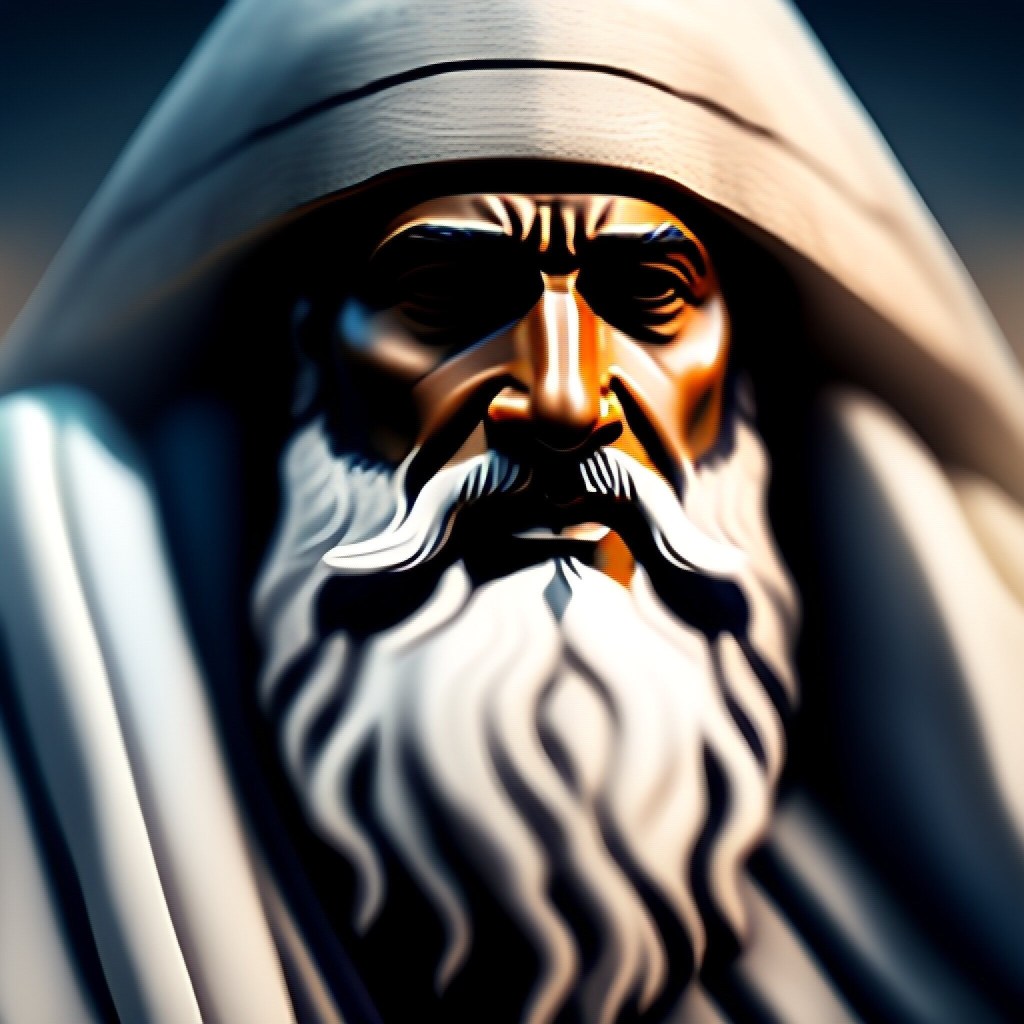
Moses The Old Testaments Greatest Prophet (Learn The Bible)

The Story Moses story is in the Biblical Books of Exodus, Leviticus, Deuteronomy, and Numbers. Moses is the prophet most mentioned in the New Testament.

Moses was born during a time when the Israelites were enslaved in Egypt. His mother, Jochebed, fearing for his life, placed him in a basket and set him adrift on the Nile River. Miraculously, he was discovered by Pharaoh’s daughter, who took him in as her own and named him Moses.

As Moses grew older, he became aware of his Hebrew heritage and witnessed the harsh treatment of his people. One day, while defending a Hebrew slave being mistreated by an Egyptian, Moses unintentionally killed the Egyptian. Fearing for his own life, he fled to the wilderness of Midian.

In Midian, Moses met Jethro, a priest and shepherd, and married his daughter, Zipporah. They had two sons together, Gershom and Eliezer. Moses worked as a shepherd and lived a quiet life in the desert for forty years.

One day, while tending to his flock, Moses encountered a burning bush that was not consumed by the flames. God spoke to Moses from the bush, calling him to lead the Israelites out of bondage in Egypt. Reluctant at first, Moses eventually accepted the mission and returned to Egypt.

With the guidance of God, Moses confronted Pharaoh and demanded the release of the Israelites. After a series of plagues, Pharaoh finally relented, and Moses led the Israelites out of Egypt, through the parted waters of the Red Sea.

During their journey through the wilderness, Moses received the Ten Commandments from God on Mount Sinai. These commandments were a set of moral and ethical guidelines for the Israelites to live by.

Moses was a wise and respected leader, guiding the Israelites through many challenges and teaching them the importance of faith and obedience. However, his leadership was also tested as the Israelites often grumbled and rebelled against God’s guidance.

After many years of leading the Israelites, Moses reached the edge of the Promised Land but was not allowed to enter due to a moment of disobedience. God showed him the land from a distance and appointed Joshua as his successor.

Moses died at the age of 120 on Mount Nebo, overlooking the land he had led the people towards. The Israelites mourned his loss for thirty days before continuing their journey under Joshua’s leadership.

During Moses’ leadership of the Israelites in the wilderness, he faced numerous challenges. Here are some of the notable ones:

  1. Lack of provisions: As the Israelites journeyed through the wilderness, they faced scarcity of food and water. They often complained and grumbled about their conditions, putting pressure on Moses to provide for their needs.
  2. Rebellion and idolatry: The Israelites were prone to rebellion and turning away from God’s commands. One notable incident was the worship of the golden calf when Moses was on Mount Sinai receiving the Ten Commandments. This required Moses to intercede and restore order.
  3. Dissension within the community: Moses had to deal with internal disputes and conflicts among the Israelites. This included disagreements over leadership, differing opinions on various matters, and challenges to Moses’ authority.
  4. External threats: Along the journey, the Israelites encountered hostile nations that sought to attack and defeat them. Moses had to navigate these external threats, such as the battle against the Amalekites, and ensure the safety and protection of the Israelites.
  5. Leadership burdens: Moses carried the weight of responsibility for the entire community. He had to make decisions, settle disputes, and provide guidance on a wide range of issues. This placed significant emotional and mental strain on him.
  6. Personal doubts and frustrations: At times, Moses himself struggled with doubts and frustrations. There were moments when he questioned his own abilities and felt overwhelmed by the enormity of the task given to him.

Despite all these challenges, Moses demonstrated resilience, faith, and perseverance. Through his strong leadership and unwavering trust in God, he guided the Israelites through the wilderness towards the promised land.

Moses’ legacy lived on through the teachings and laws he imparted to the Israelites, including the Ten Commandments. His story remains an inspiring example of faith, leadership, and dedication to God’s calling.

Posted in Storytelling

Path to Prosperity

Back in the mid-1800s, in the heartland of America, there lived a man named Elijah Johnson. He was born into slavery, his days filled with backbreaking labor and his nights haunted by dreams of freedom.

Elijah’s spirit held a flame of hope that burned brighter than any chains could ever dim. He longed for a life where he could breathe the air of liberty and shape his own destiny. Deep within him, a spark of resilience ignited, propelling him towards a future unbeknownst to him.

In the year 1863, the Emancipation Proclamation was signed, pronouncing freedom for enslaved people across the United States. Elijah, now a freedman, stood at the crossroads of his life. He chose a path less-traveled, a path that led him westward to the possibilities that lay beyond the horizon.

As he traveled, he heard whispers of a remarkable project – the Union Pacific Railroad. It was an audacious endeavor, seeking to connect the east and the west with a web of steel and iron. Elijah saw an opportunity not just to build tracks, but to forge his own destiny.

With his determination as his compass, Elijah joined the crew of the Union Pacific, a motley group of individuals from all walks of life. Together, they toiled under the blazing sun and against the biting cold, laying down rails that would bind a nation together.

Elijah’s hard work and positivity did not go unnoticed. His skills and dedication earned him respect amongst his peers and superiors alike. The railroad became his classroom, teaching him the intricacies of engineering, logistics, and teamwork. He grew from being a worker to being a leader, as his unwavering spirit inspired those around him.

Years passed, and the railroad stretched across wide prairies, climbed treacherous mountains, and bridged mighty rivers. Elijah became known as a symbol of resilience and determination. He was proof that no matter where one started in life, the story could be rewritten with strength and perseverance.

As the tracks extended further into the untamed lands of the West, Elijah saw an opportunity to plant roots and build a future for himself. With the money he saved from his railroad work, he purchased land – his own piece of the American dream.

On that fertile soil, Elijah built a home, raised a family, and cultivated a legacy. He became a pillar of his community, extending a helping hand to others who sought the same freedom and prosperity he had found.

Elijah’s story spread far and wide, becoming a source of inspiration for generations to come. His journey from enslavement to freedom, from worker to landowner, became a testament to the resilience and indomitable spirit of the human heart.

Even on the vast plains, as the tracks stretched endlessly into the distance, the faith of Elijah and his fellow laborers held steady, like an unwavering beacon in the darkest of nights.

In the midst of their grueling work, they found solace and strength in their shared beliefs. They formed a tightly-knit community, embracing one another as family. Each Sunday, they would gather under the open sky, creating a makeshift church with the railroad ties as pews. It was a sacred space where they could nourish their souls and draw strength from their faith.

Elijah, deeply rooted in his spirituality, became a pillar of support for his companions. He would share biblical stories that resonated with their struggles, reminding them that they were not alone in their journey. With each tale, he painted vivid pictures of resilience, perseverance, and hope.

One story he told was that of Moses leading the Israelites out of slavery in Egypt. Elijah likened their own journey to that of the Israelites, emphasizing how faith and determination could guide them through even the most challenging times. The story served as a reminder that their struggle for freedom was part of a larger narrative, woven together by a divine purpose.

Another tale he shared was that of David and Goliath. Elijah highlighted how David’s unwavering faith and reliance on God allowed him to overcome seemingly insurmountable odds. It inspired the workers to face their own giants with courage and conviction, believing that they too could conquer any obstacle in their path.

Elijah’s storytelling not only offered spiritual nourishment but also fostered a sense of unity and camaraderie among the workers. They would join in prayer, lifting their voices together, finding comfort in the collective strength of their faith.

In the face of adversity, their faith became a source of resilience, igniting a fire within them to persevere against all odds. They saw their work on the railroad not just as a physical labor, but as a spiritual journey towards freedom and a better future.

Through their unwavering faith, Elijah and his companions found solace, inspiration, and a steadfast belief that their work was not in vain. They remained faithful, forging ahead on the tracks of destiny, knowing that their collective efforts would shape the course of history.

Posted in Uncategorized

Sarah the Master Carpenter(Storytelling)

In the picturesque landscape of Northeast Ohio, there lived a young girl named Sarah. From a tender age, Sarah had a burning passion for two things: becoming a nun and teaching. But Sarah didn’t want to teach just any subject; she had a deep yearning to share her love for woodworking with others, inspired by her talented father, Paul.

Growing up in the midst of wood shavings and the aroma of freshly sawn timber, Sarah marveled at her father’s craftsmanship. She watched in awe as he transformed raw pieces of wood into magnificent works of art. As her tiny hands traced the intricate details of his creations, Sarah knew that woodworking was in her blood.

Determined to pursue her dreams, Sarah immersed herself in the world of woodworking. She spent countless hours in her father’s workshop, absorbing every technique, every secret that he shared. Her dedication paid off, and soon enough, Sarah’s skills became as refined as her father’s.

But Sarah’s path took an unexpected turn when she stumbled upon a story about a famous medieval nun, Saint Clare of Assisi. Intrigued by her devotion to God and her community, Sarah found herself pulled towards a life of service in the church. She felt a calling to become a nun while still pursuing her passion for teaching woodworking.

Driven by her unyielding spirit, Sarah embarked on a journey to find a convent that would embrace her unique vision. After much searching, she discovered the Sisterhood of the Sacred Woodwork. It was a small, unconventional order that valued creativity and craftsmanship as a means of spiritual expression.

Sarah’s heart skipped a beat as she entered the sacred grounds of the convent. The peaceful ambiance was interlaced with the harmonious symphony of chisels striking wood and the gentle voices of the nuns. She knew she had found her place.

Under the guidance of the wise Abbess, Sarah began her journey as a novice nun. She dedicated herself to prayer, meditation, and the study of woodworking techniques steeped in ancient traditions. In the quiet solitude of the convent, Sarah honed her skills even further, becoming a master woodworker.

But Sarah’s true calling did not end within the convent walls. With the Abbess’s blessing, she set out on a mission to bring the art of woodworking into the lives of others. Leaving the sanctuary of the convent, she ventured into schools, community centers, and even prisons, sharing her knowledge and passion with all who were willing to learn.

In each class, Sarah ignited sparks of creativity within her students’ hearts. She taught them to carve their dreams into wood, to shape their aspirations with dedication and patience. Her contagious enthusiasm and deep spirituality sparked a renewed interest in the art of woodworking, attracting people from all walks of life.

Years passed, and Sarah’s impact extended far beyond what she had ever imagined. Countless lives were transformed by her teachings, her kindness, and her unwavering faith. She had achieved her lifelong dreams of becoming a nun and a teacher, leaving her mark on the world as a master woodworker.

Today, in Northeast Ohio, Sarah’s legacy lives on. Woodworking classes for children and adults flourish, infused with her spirit of creative expression, love for God, and devotion to her community. The sound of chisels striking wood reverberates through the hills, a testament to one young girl’s extraordinary journey of faith, passion, and the power of combining two seemingly disparate worlds.

Posted in Fourth of July

Fourth of July

The Fourth of July, also known as Independence Day, holds significant importance in American history. It is a day of celebration, remembering the brave men and women who fought for the freedom and independence of this great nation. As we reflect on this day, it is essential to understand the goals of our forefathers and how Christianity has evolved over time.

In the late 18th century, when America was still under British rule, our forefathers had a vision of a nation free from tyranny and oppression. Their goals were rooted in principles of liberty, justice, and equality. They believed in the inherent rights of every individual, given by their Creator, and sought to establish a government that would protect and uphold these rights.

Christianity played a significant role in the lives of our forefathers. Many of them were devout Christians who actively practiced their faith. Their understanding of Christianity emphasized values such as love, compassion, and righteousness. They saw their fight for independence as a righteous cause, guided by their faith in God.

However, it is important to note that the Christianity of our forefathers was different from the Christianity we see today. In 2023, Christianity has become more diverse and dynamic. There are various interpretations and denominations within the Christian faith, each with its own set of beliefs and practices. While the core principles of love, forgiveness, and redemption remain constant, there are nuanced differences in the ways Christians live out their faith.

One significant difference between Christianity then and now is the emphasis on individualism. In the early days of America, Christianity was often seen as a communal experience. Churches served as gathering places where people came together to worship, pray, and support one another. Today, there is a greater focus on personal spirituality and individual relationships with God.

Another difference is the changing societal norms and moral values. Our forefathers lived in a time when Christianity played a central role in shaping the moral fabric of society. Today, with advancements in technology, globalization, and the diversification of religious beliefs, the influence of Christianity may not be as dominant. People have different perspectives and interpretations of morality, which can sometimes clash with traditional Christian teachings.

So let’s remember Fourth of July is a time to reflect on the goals of our forefathers and how Christianity has evolved over time. While our forefathers fought for freedom and independence grounded in Christian principles, the landscape of Christianity has changed significantly in 2023. It is important to recognize and appreciate the diverse expressions of faith while still upholding the core values of love, justice, and equality. As we celebrate this Independence Day, let us strive to find unity and understanding in our differences while honoring the sacrifices made by our forefathers.

Posted in Uncategorized

The Railroad Preacher (Storytelling)

In the year 1840, there lived a preacher named John who was known for his unwavering faith and commitment to God. While most preachers focused solely on their religious duties, John was a man who believed in combining his spiritual calling with practical action. He saw an opportunity to spread God’s word and make a positive impact on society through his work on the expanding railway system.

As a devout Christian, John dedicated himself to building railroads during the weekdays, alongside a crew of rough and rowdy workers. Despite being surrounded by temptation and vice, John remained steadfast in his convictions. He never succumbed to the temptations of drinking, fighting, or engaging in immoral activities. His exemplary behavior caught the attention of his coworkers, who began to respect and admire him for his integrity.

On Sundays, John would set up a simple tent church near the railroad site. Many of the hardworking laborers and their families would gather to listen to his thoughtful sermons and find solace in his comforting words. John’s messages were filled with love, compassion, and the teachings of the Bible. He shared verses such as Proverbs 16:3, “Commit your work to the Lord, and your plans will be established.”

After the church service, John and his family invited the entire railroad crew to join them for a hearty meal. It was a time of togetherness and fellowship, where everyone could eat, laugh, and enjoy each other’s company, fostering a sense of community and camaraderie among the workers.

The presence of John and his family was a source of inspiration for others. They witnessed firsthand the power of living a life rooted in faith and goodness. Through his actions and devotion to God, John not only helped build railroads but also touched the lives of those around him, showing them that it was possible to lead a moral and purposeful life amidst a world filled with darkness.

As the years went by, the influence of John’s teachings and his example spread far and wide. Many of the workers he worked with went on to lead lives of righteousness, emulating the values they had seen in him. John’s legacy lived on, a testament to the transformative power of faith and the impact one individual can have on the world.

The story of John, the preacher who built the railroad, became a timeless tale of goodness, perseverance, and the enduring light of God’s love shining through even the darkest of times.

Posted in joyful-echoes, Storytelling

Preacher and His Wife

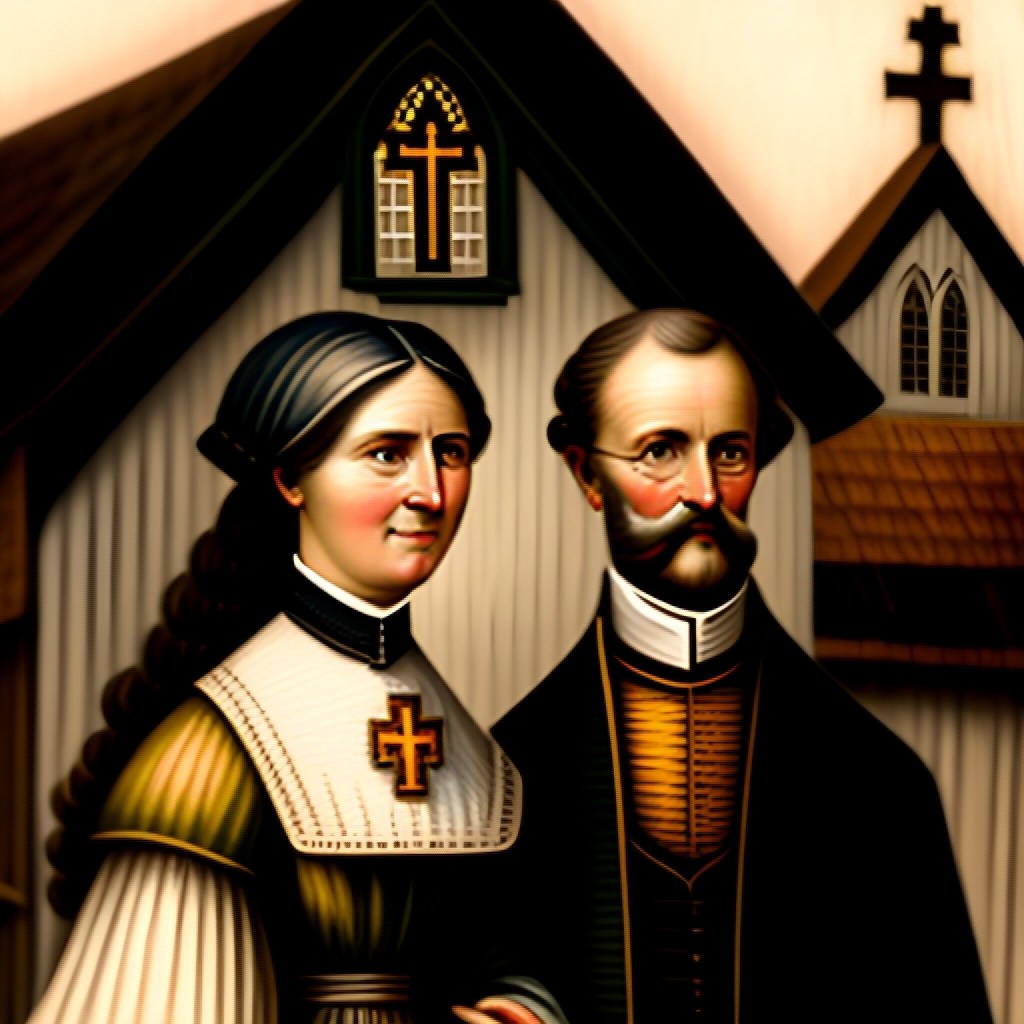
In a small town in Ohio, there lived a preacher named John and his devoted wife, Katie. They were a loving couple who had dedicated their lives to spreading the word of God to their community.

In the summer of 1876, as the Fourth of July approached, John and Katie found themselves preparing for a special sermon. They wanted to inspire their congregation with a message that would remind them of the incredible miracles and blessings that God had bestowed upon their nation.

As John sat down to write his sermon, he pondered on the significance of the Fourth of July. He knew that this day represented the birth of a nation, a nation founded on freedom and principles rooted in God’s love. He began his sermon with a Bible verse, “Blessed is the nation whose God is the Lord” (Psalm 33:12).

On the Fourth of July, the church bells rang, calling the townspeople to gather at the small church. As John stood on the pulpit, he looked out at the faces of his congregation, full of anticipation. Alongside him, Katie played the organ, filling the church with beautiful hymns.

With passion in his voice, John spoke about the sacrifices made by the founding fathers and how their faith fueled their pursuit of freedom. He shared stories of strength, resilience, and unity, all rooted in the principles of the Bible. The congregation listened intently, their hearts filled with gratitude for the blessings of their nation.

Then, as John reached the climax of his sermon, something extraordinary happened. As he spoke about the power of prayer, a gust of wind blew through the open windows of the church, carrying with it the sweet scent of fresh summer flowers. The congregation gasped in awe as they felt a cool breeze brush against their skin.

John paused, amazed at the divine timing of this moment. Closing his eyes, he uttered another verse from the Bible, “Call to me and I will answer you, and will tell you great and hidden things that you have not known” (Jeremiah 33:3).

As he continued to speak, the wind grew stronger, and gentle whispers could be heard throughout the congregation. Katie turned to John, her eyes filled with wonder and a smile on her face. They both knew in their hearts that this was a sign from God, a confirmation that their words were being heard and acknowledged.

For the remainder of the sermon, the church was filled with an incredible sense of peace and joy. The congregation left that day, inspired and renewed, ready to spread love, kindness, and the teachings of God to all they encountered.

From that Fourth of July onward, the townspeople of Ohio would always remember the miraculous breeze that swept through their church, reminding them of the power of faith, prayer, and the immense love of their Creator.

And so, the story of John and Katie and the miracle of the Fourth of July became a cherished tale, passed down through generations, reminding everyone of the extraordinary bond between their faith and the birth of their nation. As they celebrated Independence Day each year, they would forever hold in their hearts the belief that with God’s guidance, anything was possible.