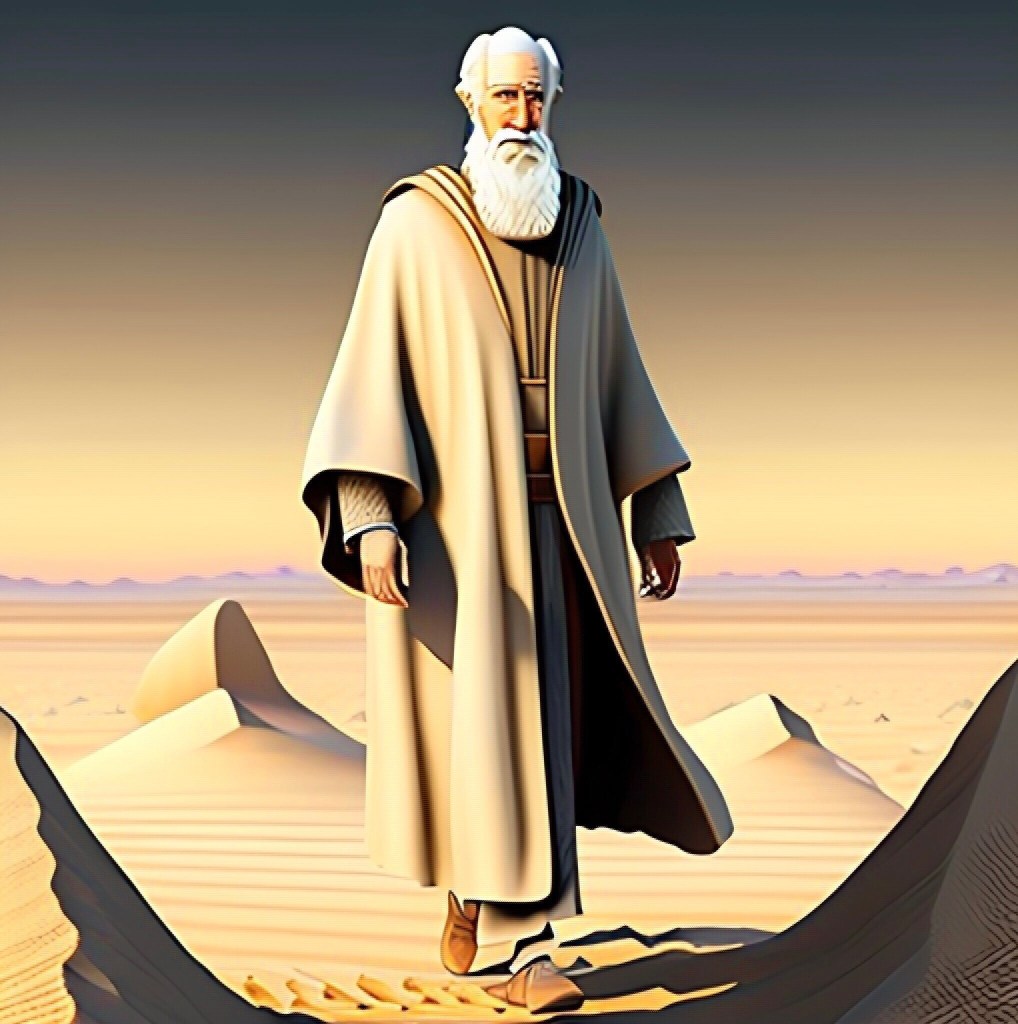
Taking God at His Word: Finding Faith and Hope in His Promises
In our journey of faith, we often face challenges, struggles, and unanswered prayers. We may find ourselves questioning why things aren’t happening the way we expect or why we feel weary. However, it’s essential to realize that God’s promises are unwavering and trustworthy. When God speaks, He means it, and we need to wholeheartedly believe in His word even when circumstances seem discouraging. In this blog post, we will explore the importance of taking God at His word, finding solace in His promises, and living a life of faith and hope.
Understanding God’s Plan: Sometimes, we may struggle to comprehend God’s plan for our lives. It’s crucial to remember that everything happening in our lives is part of His greater purpose. Even when we make mistakes or wrong choices, God forgives us and guides us back to the right path through His word. By immersing ourselves in His teachings, we gain clarity and direction in our lives.
Embracing God’s Love: We mustn’t view God as a distant figure from an ancient story. He is an ever-present and loving Creator who cares deeply for each one of us. Despite our flaws and shortcomings, He loves us unconditionally. When we truly grasp His love, we can trust Him wholeheartedly and find comfort in His promises.
Holding on to Faith: Faith plays a vital role in our relationship with God. Even when we can’t see the fulfillment of His promises, we need to have unwavering faith. Believing in what God says, despite the circumstances, demonstrates our trust and reliance on Him. It is through faith that we experience His miracles and find strength during challenging times.
Living in His Word: The Bible is not just a collection of ancient stories; it is a living and relevant guidebook for our lives today. By immersing ourselves in God’s word, we gain wisdom, guidance, and encouragement. His promises and teachings reflect timeless truths that can transform our lives and bring us closer to Him.
Finding Hope in His Promises: One powerful way to reinforce our faith is through uplifting worship songs and testimonies. The song “I’ll Take You at Your Word” by Cody Carnes and Benjamin William Hastings is an example of a beautiful reminder that Jesus never fails us. It highlights the importance of standing firm in our faith and trusting God’s promises no matter what we face.
Taking God at His word is an essential aspect of our spiritual journey. By understanding His plan, embracing His love, holding on to faith, and living in His word, we can find hope, strength, and assurance in His promises. Let us remember that God is faithful, and what He says will be done. May we start each day with renewed trust in His word and experience the transformative power of living a life centered on His promises.
Remember, by taking God at His word, we can find peace in the midst of uncertainty and hope in every situation. Have a blessed day, knowing that God’s promises are true.
Here is a good uplifting song by Cody Carnes and Benjamin William Hastings called
In the land of Canaan, there lived a couple named Abraham and Sarah. They were known for their unwavering faith and devotion to God, but one thing weighed heavily on their hearts – the absence of children.
Sarah, at an advanced age, had lost hope of ever conceiving. However, God had made a promise to her and Abraham, assuring them that they would have a child. When Sarah heard this, she couldn’t help but laugh in disbelief. She couldn’t fathom how it was possible for her, an aging woman, to bear a child. Yet, God’s promises are never empty, and His timing is always perfect.
Genesis 18:12-14 (NIV) says, “So Sarah laughed to herself as she thought, ‘After I am worn out and my lord is old, will I now have this pleasure?’ Then the Lord said to Abraham, ‘Why did Sarah laugh and say, ‘Will I really have a child, now that I am old?’ Is anything too hard for the Lord? I will return to you at the appointed time next year, and Sarah will have a son.'”
Despite her initial laughter, Sarah chose to trust in God’s promise. And just as He had said, at the appointed time, Sarah conceived and bore a son. This brought immeasurable joy to her heart, and she named him Isaac, which means “laughter.”
Genesis 21:6-7 (NIV) states, “Sarah said, ‘God has brought me laughter, and everyone who hears about this will laugh with me.’ And she added, ‘Who would have said to Abraham that Sarah would nurse children? Yet I have borne him a son in his old age!'”
Sarah’s story teaches us the power of faith and the importance of trusting in God’s timing. We may laugh in disbelief or doubt, but God is faithful to fulfill His promises. For truly, nothing is impossible for Him.
Jeremiah 32:27 (NIV) reminds us, “I am the Lord, the God of all mankind. Is anything too hard for me?”
So let us remember Sarah’s laughter, both in skepticism and in joy, and let it encourage us to trust in the One who can do the impossible. May we wait patiently, knowing that our own appointed time will come, bringing forth joy and fulfillment beyond our wildest imagination.
Today is Sunday, a day to rest and recharge. It’s an opportunity to spend quality time with family and friends or take some personal time to regroup and reflect. Remember that God loves you unconditionally and wants you to find joy and peace in your life.
Take a moment to pause and offer a prayer for a good week ahead. Ask for guidance, strength, and wisdom as you navigate the challenges and opportunities that lie ahead. Express gratitude for the blessings and lessons of the past week, acknowledging the goodness that has come your way.
Whether you choose to engage in activities with loved ones, practice self-care, or simply take a peaceful moment alone, make sure to embrace the spirit of rest and rejuvenation on this day.
May this Sunday be filled with joy, love, and the presence of God in your life.
Honoring the Sabbath: It’s Not Just About Church Attendance
Keeping the Sabbath holy is an important aspect of many faith traditions. While attending church services can be a meaningful way to spend the Sabbath, it is not the only way to honor this sacred day. In this article, we explore the idea that keeping the Sabbath holy goes beyond going to church and discuss alternative ways to connect with your spirituality on this special day.
Understanding the Meaning of Keeping the Sabbath Holy:
The concept of keeping the Sabbath holy varies among different religious beliefs.
It involves setting aside time for rest, worship, reflection, and spiritual nourishment.
While attending church is beneficial, it’s not the sole requirement for honoring the Sabbath.
Engaging in Personal Bible Study:
Reading the Bible on the Sabbath allows for introspection and spiritual growth.
Choose a specific passage or chapter to study, or follow a reading plan to explore different aspects of your faith.
Take your time to reflect on the teachings and messages of your faith.
In today’s digital age, there are numerous online platforms and television programs that offer religious content.
Watch sermons or listen to preachers who resonate with your beliefs and teachings.
Expand your spiritual knowledge and gain new insights from the comfort of your home.
Engaging in Prayer and Meditation:
Use the Sabbath as a time for deep prayer and meditation.
Find a quiet space where you can connect with your spirituality and seek guidance and strength.
Reflect on your blessings, express gratitude, and offer prayers for yourself, loved ones, and the world.
Spending Quality Time with Loved Ones If You Can.
The Sabbath provides an opportunity to gather with family and friends.
Engage in meaningful conversations, share meals together, and strengthen your bonds.
Foster a sense of community and support, which are integral parts of many faith traditions.
Connecting with Nature:
Spend time outdoors, taking in the beauty of creation.
Go for a walk, hike, or simply sit in a park and contemplate the wonders of the natural world.
Find solace and peace in the presence of nature, connecting with the divine in this serene setting.
Remember Keeping the Sabbath holy is a personal and spiritual practice that goes far beyond attending church services. While going to church can be uplifting, there are alternative ways to honor this sacred day.
Engaging in personal Bible study, exploring online sermons, engaging in prayer and meditation, spending time with loved ones, and connecting with nature are all ways to deepen your spirituality and find meaning on the Sabbath.
Ultimately, the key is to dedicate time to connect with your faith and nurture your relationship with the divine.
In a small town nestled amidst the rolling hills, of Tennessee lived a kind-hearted grandmother named Sarah. She had gracefully embraced the role of raising her three grandchildren, Emily, James, and Lily, after her own daughter lost her battle with addiction.
Life hadn’t been easy for Sarah. She found herself juggling the responsibilities of everyday life and the demands of caring for young children. One day, while she was trying to fix their old television, a knock came at her door. It was the friendly neighborhood television repairman, Mr. Johnson.
With a warm smile, Mr. Johnson greeted Sarah and asked if he could take a look at the broken television. As he worked his magic, Sarah shared her struggles and the difficulties she faced as a single grandmother trying to provide for her grandchildren. Mr. Johnson listened attentively, his heart touched by her story.
After repairing the television, Mr. Johnson surprised Sarah by installing two brand new televisions in her home. Overwhelmed with gratitude, Sarah couldn’t believe her eyes. For the first time in a long while, she saw a glimmer of hope.
Little did Sarah know, Mr. Johnson was part of a church community known for their acts of kindness. He couldn’t bear to see Sarah struggle any longer, and so he decided to share her story with his fellow church members. The congregation was moved by Sarah’s selflessness and the challenges she faced.
They came together, preparing baskets filled with groceries, fresh fruits, vegetables, and even some homemade meals. With smiles on their faces, they arrived at Sarah’s doorstep, offering their help and support. Tears welled up in Sarah’s eyes as she realized she wasn’t alone in this journey. They became her extended family, surrounding her with love and care.
From that day forward, Sarah’s life changed. She found solace in her new televisions, enjoying moments of laughter and togetherness with her children. The community’s support uplifted her spirit, giving her the strength to face each day with renewed hope and gratitude.
Sarah carried the lesson of compassion in her heart forever, paying it forward whenever possible. She learned that even in the darkest of times, there is always light to be found, especially when people come together to extend a helping hand.
And so, let us remember the words of the Bible: “And let us not grow weary of doing good, for in due season we will reap, if we do not give up.” (Galatians 6:9) May this story serve as a reminder that acts of kindness, big or small, have the power to transform lives and bring hope to those who need it the most.
Good morning, beautiful souls! Today, I want to talk about something close to my heart – spreading the word of God.
You know, many of us may feel inadequate or unqualified to be ambassadors for Christ, but let me tell you a little secret: God doesn’t call the qualified, He qualifies the called. He chooses ordinary people like you and me, who have faced hardships and come out stronger on the other side.
Take a look at my own journey. I was an only child, my family was not rich but we had all we needed and I was loved and respected by my parents, but I was rebellious swore like a truck driver all my life , had many friends living family and sometimes I just felt lost.
I went through an abusive relationship, in my 1st marriage but by God’s grace, I found an amazing second husband. And then, I was diagnosed with not one, but three different bone conditions,three different inherited blood clot disorders and many other life challenges in between.
I felt depressed, put on a lot of weight but through prayer and self-discovery, I ended up becoming an ordained minister. Can you believe it? God truly has a sense of humor!
So, my friends, you don’t have to be perfect. No one is. All you need is a willing heart and a desire to share the love and truths of God with others. Your life, with all its ups and downs, is a testament to God’s touch and your strength. That alone makes you qualified to teach and inspire others.
If you think you’re not good enough, smart enough, or knowledgeable enough, let me tell you this: you are wrong. You have the power within you to make a difference. Embrace your unique journey and use it as a platform to spread the word of God.
Let’s come together, my fellow warriors for Christ. Join me in this incredible mission of love, hope, and salvation. We are in this together, and with God by our side, we can do amazing things.
Remember, you are loved, you are chosen, and you are more than enough. Have a blessed day, filled with joy, love, and positivity. 🙏✨ #SpreadTheWord #GodsGrace #EmbraceYourJourney #GodIsGood
Back in time in the ancient land of Canaan, there lived a man named Abraham. He was a righteous and honorable man, known for his deep faith in the one true God. Abraham was blessed with two sons, Ishmael and Isaac.
Ishmael, the elder son, was born to Abraham and his wife Sarah’s maidservant, Hagar. As Ishmael grew older, he became skilled in hunting and survival in the desert. His father loved him dearly and saw great potential in him.
Isaac, on the other hand, was born to Abraham and his wife Sarah in their old age. Isaac was a gentle and wise young man who possessed great compassion and empathy towards others. His birth was seen as a miracle by his parents.
As the brothers grew older, differences started to arise between them. Ishmael, being strong and independent, often enjoyed exploring the vast desert and its mysteries. He found peace and solitude in the wilderness, developing a deep bond with nature.
Isaac, on the other hand, felt a powerful connection to his father’s teachings and the spiritual world. He dedicated his time to studying and understanding the ways of God, seeking guidance and wisdom.
One fateful day, when Isaac was a young man, a test of faith was placed upon Abraham by God. He was instructed to offer his beloved son as a sacrifice on Mount Moriah. Abraham, though devastated by this command, trusted in God’s plan and prepared to carry out the sacrifice.
As Abraham and Isaac journeyed together up the mountain, Ishmael learned of their mission. Filled with concern for his brother, he followed them quietly from a distance. Deep in his heart, Ishmael hoped that there would be a way to prevent the sacrifice and protect his beloved sibling.
When Abraham and Isaac reached the mountaintop, Isaac willingly submitted himself to his father’s hands, placing his trust in God’s will. Just as Abraham prepared to fulfill the divine command, a voice from heaven called out, guiding him to stop.
God had seen their devotion and faith and provided a ram caught in a nearby thicket as a substitute for Isaac. In that moment, Abraham witnessed God’s mercy and grace, and he praised Him for His endless love.
Ishmael, who had been silently watching from afar, emerged from the shadows and rushed towards his brother, relieved to see him unharmed. The brothers embraced, their bond strengthened by the shared experience and the knowledge that they were indeed loved and protected.
From that day forward, Ishmael and Isaac cherished their relationship, understanding the value of family and the importance of faith. Each brother took a different path in life, but their connection remained strong, as they learned from one another and celebrated their differences.
The book of Genesis is the first book of the Bible and it contains various accounts of the origins of the world, mankind, and the Israelite nation. Within this book, Abraham and Sarah play a crucial role in the narrative.
Abraham, originally known as Abram, is introduced in Genesis as a righteous man who God chooses to be the father of a great nation. God promises to bless him and make his descendants numerous. However, there is initially a problem as Abraham and Sarah are childless and beyond the age of bearing children.
In Genesis 16, Sarah comes up with a plan to fulfill God’s promise by offering her Egyptian handmaid Hagar to Abraham as a surrogate. Abraham agrees, and Hagar becomes pregnant and gives birth to a son named Ishmael. This decision was influenced by their desire to have an heir and fulfill God’s promise, but it was not part of God’s original plan.
Later on, in Genesis 17, God reaffirms His covenant with Abraham and changes his name from Abram to Abraham, which means “father of many nations.” God also promises that Sarah will conceive and bear a son, despite her old age. In Genesis 18, three visitors, who some interpret as angels or manifestations of God, come to Abraham and Sarah to deliver this message.
As promised, Sarah does conceive and gives birth to Isaac, which means “laughter.” This miraculous birth is significant because it fulfills God’s promise to Abraham and Sarah, emphasizing their faithfulness and God’s faithfulness in fulfilling His promises.
The birth of Isaac creates tensions within the family. When Isaac is weaned, Sarah becomes concerned about Ishmael’s behavior towards him and insists that Abraham cast out Hagar and Ishmael. Abraham is initially reluctant but receives reassurance from God that He will make a great nation out of Ishmael as well.
Abraham follows God’s instruction and sends Hagar and Ishmael away. God provides for them in the wilderness, and Ishmael grows up and becomes the father of twelve princes, ultimately fulfilling God’s promise to make him into a great nation.
Abraham and Sarah play an essential role in the book of Genesis. They are initially childless but are promised descendants by God. Seeking to fulfill this promise, Sarah offers her handmaid Hagar to Abraham, resulting in the birth of Ishmael. However, God’s original plan comes to fruition as Sarah miraculously conceives and gives birth to Isaac. Ishmael and Isaac both have significance in biblical history, with Ishmael becoming the father of a great nation and Isaac being chosen as the line through which God’s covenant and promises continue.
Once upon a time, in a land far above the clouds, there lived a majestic eagle named Aurora. With her wings spread wide and eyes filled with curiosity, she soared through the boundless sky, exploring the breathtaking wonders of the world below.
Aurora had the most remarkable feathers, painted with shades of gold and silver that glistened in the sunlight. As she glided effortlessly, she couldn’t help but admire her own reflection in the crystal-clear lakes. “Oh, how beautiful I am,” she would whisper to herself.
But being the most beautiful bird in the sky was not the only thing that made Aurora special. She possessed incredible strength and agility, allowing her to fly higher and faster than any other creature. She was a symbol of freedom, grace, and untamed spirit.
One fine morning, as Aurora embarked on her daily adventure, she noticed a lone cloud floating in the distance. Intrigued, she decided to investigate. As she approached, she saw a tiny bird perched upon the fluffy cloud, shivering from the cold.
Eager to help, Aurora gently landed beside the little bird. “Dear friend, why are you alone and freezing up here?” she asked, concern filling her voice.
The small bird looked up and replied, “I have always dreamt of flying like you, Aurora. But without mighty wings like yours, I can only rely on these fragile feathers to keep me warm.”
Aurora’s heart melted with compassion. She understood how the little bird longed to experience the joy of soaring high amidst the vastness of the sky. With a gentle smile, she said, “Fear not, my friend. I shall teach you to fly and show you the wonders of the world from above.”
And so, Aurora became the little bird’s mentor, teaching it how to glide with the wind, how to navigate the currents, and how to believe in its own abilities. Day after day, they practiced together, turning the little bird’s dreams into reality.
As the seasons changed, the small bird blossomed into a magnificent creature. With each passing day, its wings grew stronger, and its confidence soared higher. Together, Aurora and the once-shivering bird discovered hidden valleys, cascading waterfalls, and lush forests that stretched beyond the horizon.
One day, as they rested upon a mountaintop, overlooking a vast expanse of land, the now fearless bird turned to Aurora with gratitude in its eyes. “Thank you, dear friend, for showing me the true meaning of freedom. I will forever cherish your guidance and the beauty of this wondrous sky.”
Aurora smiled, her heart filled with joy. She knew that she had not only given the gift of flight to the little bird but also ignited a spark of courage and determination within it. As they spread their wings once more and took flight, their bond remained unbreakable, eternally united by the love for the sky.
And so, the tale of the eagle who soared through the sky with grace and helped a tiny bird find its wings became a legend, whispered among the clouds and passed down through generations. It reminded all creatures big and small that within each of us lies the potential to rise above our limitations, conquer our fears, and embrace the beauty of the world around us.
Noah, one of the most well-known figures in the Bible, was a righteous man who found favor in the eyes of the Lord. According to Genesis 6:9, “Noah was a righteous man, blameless among the people of his time, and he walked faithfully with God.”
When God saw how wicked humanity had become, He decided to send a flood to destroy everything on earth. However, He instructed Noah to build an ark so that he and his family could be saved along with a pair of every kind of animal.
Noah’s wife is not named in the Bible, but she is described as the mother of his three sons – Shem, Ham, and Japheth. Together, they worked tirelessly to build the massive ark according to God’s instructions.
After the floodwaters receded, the ark came to rest on the mountains of Ararat (Genesis 8:4). The exact location of these mountains is uncertain, but it is believed to be somewhere in the region of modern-day Turkey.
Noah is an important figure in the Bible because he obeyed God even when it seemed impossible. He trusted in God’s promises and acted on faith, which ultimately saved him and his family from the destruction of the flood.
Through Noah’s story, we can learn valuable lessons about the importance of obedience, faith, and trust in God’s plan. We can also find comfort in knowing that even in the darkest of times, God is always with us and will never abandon us.
Noah did as God commanded, and when he was 600 years old, in Biblical years , he completed the ark. He took his family into it, as well as pairs of all the different animals, two by two. Seven days later, the flood came upon the earth and the rain poured from the skies for forty days and forty nights. The waters rose higher and higher on the face of the earth, until even the tops of the highest mountains were covered and every breathing creature perished (7:22).
After 150 days, the Lord brought a great wind over the earth, causing the waters to subside, and the ark came to rest on top of Mt. Ararat. Noah released a dove:
Then he released a dove, to see if the waters had lessened on the earth. But the dove could find no place to perch, and it returned to him in the ark, for there was water over all the earth. Putting out his hand, he caught the dove and drew it back to him inside the ark. He waited yet seven days more and again released the dove from the ark. In the evening the dove came back to him, and there in its bill was a plucked-off olive leaf! So Noah knew that the waters had diminished on the earth. He waited yet another seven days and then released the dove; but this time it did not come back. (Genesis 8:7-12)
When the dove did not return, Noah opened the covering of the ark and saw that the waters had dried up from the ground. God instructed him to bring his family and all the creatures out of the ark.
What was the first thing Noah did upon exiting the ark? He built an altar to God and presented him with an offering, giving thanks to him for his provision. And God made a promise never to flood the earth again, setting a rainbow in the sky as a sign of this covenant with mankind.
What We Can Learn from Noah
The story of Noah and the Flood is one of judgement and salvation; of obedience and disobedience. In an era of overwhelming wickedness, Noah set himself apart by living righteously. Noah was likely mocked for building a giant boat when no flood was yet seen upon the earth – but he did not worry about what other people thought. He simply responded to God’s commands with a willing heart and hands. God rewarded him for his righteousness and obedience, saving both him and his family from destruction.
The story of the Flood also demonstrates both the gravity of God’s justice and the promise of His salvation. Every sin we commit grieves God, and His justice demands judgement for that sin. Just as God provided salvation for Noah and his family when His judgement was brought upon the world, so also does God provide salvation for each of His followers through Christ.
My thoughts.
In today’s fast-paced and often chaotic world, there is much we can learn from the story of Noah. This ancient tale holds valuable lessons that can guide us in our own lives, helping us navigate through challenges and make wise decisions. The story of Noah teaches us the importance of living with integrity, following our convictions, and trusting in a higher power.
Noah’s unwavering righteousness sets him apart from the rest of society. In a time where wickedness prevailed, he remained steadfast in his commitment to live a righteous life. This teaches us the significance of upholding our moral values, even when it may seem unpopular or go against the prevailing norms. Noah’s example reminds us that staying true to ourselves and our beliefs is crucial, regardless of the opinions of others.
Another vital lesson we can draw from Noah’s story is the importance of obedience. When Noah received the command from God to build an ark, he did not question or doubt. Instead, he immediately set to work, wholeheartedly obeying God’s instructions. This displays his unwavering faith and trust in a higher power. It reminds us of the significance of listening to our inner voice, following our intuition, and having faith in something greater than ourselves. By doing so, we can navigate the challenges and uncertainties of life with confidence and resilience.
Noah’s story also emphasizes the power of perseverance and resilience. As he constructed the massive ark, Noah faced ridicule and disbelief from those around him. Yet, he remained undeterred, focused on the task at hand. This serves as a reminder to stay committed to our goals, even when faced with skepticism or adversity. Noah’s unwavering determination paid off in the end when he and his loved ones were saved from the catastrophic flood. It teaches us the importance of staying persistent and dedicated, even in the face of daunting obstacles.
Furthermore, Noah’s story highlights the necessity of taking action. Noah did not merely pray for salvation; he actively took part in building the ark, playing his role in the grand scheme of things. This teaches us that faith without action is incomplete. We must take concrete steps towards our goals and aspirations, putting in the necessary effort and commitment. By doing so, we can bring about positive change in our lives and the world around us.
Lord, we come before you today seeking the same unwavering faith and determination that Noah displayed. Help us to stay committed to our goals and aspirations, even when faced with skepticism or adversity. Give us the strength to persevere through the challenges that life throws at us, knowing that with you by our side, we can overcome anything. Teach us to take action and not just rely on prayer alone, but to put in the necessary effort and commitment to bring about positive change in our lives and the world around us. May we live with integrity, staying true to our convictions, and may our actions reflect our unwavering faith in you. In your precious name, we pray. Amen.
Life can be challenging at times. It can seem like no matter how hard we try, we just can’t seem to catch a break. We may feel stuck in a rut and unable to move forward. However, it’s important to remember that there are ways to get out of a funk and find joy and happiness once again.
One of the most important things to do is to keep looking up. This means to keep your eyes fixed on the positive aspects of life and not to dwell on the negative. By focusing on the good, you can start to shift your mindset and outlook on life.
Another key to getting out of a funk is to do your best. It’s easy to become complacent and give up when things aren’t going well, but instead, strive to put forth your best effort in everything you do. This will help you build confidence and give you a sense of control over your life.
Having a positive mindset is also crucial. When you think positively, you attract positive things into your life. Therefore, make an effort to think positively and focus on the things that bring you joy. Rather than the negative.
Meditation and prayer can also be effective tools in getting out of a funk. Spending time in quiet reflection or talking to a higher power can help you regain a sense of peace and balance.
Exercise is another powerful way to improve your mood and lift your spirits. Engaging in physical activity releases endorphins, which are natural mood-boosters.
Reading your Bible and seeking spiritual guidance can also be helpful. The Bible is full of inspiring stories and messages that can provide comfort and hope in difficult times.
Lastly, helping others can also be an effective way to get out of a funk. By focusing on the needs of others, you can shift your attention away from your own problems and find purpose and meaning.