Posted in Uncategorized

Faithful in small things

It’s amazing what God can do for a troubled heart when we learn to truly meditate on Him. Charles F. Stanley often spoke about this, and I’ve always appreciated his wisdom. As the founder of In Touch Ministries, he exemplified what a minister should be. Though he is now with the Lord, his teachings continue to bless so many, including me.

When motivation feels low, remember—motivation isn’t constant. It rises and falls, and that’s okay. Sometimes your soul is simply asking for rest, or the Holy Spirit is inviting you to slow down and be present instead of pushing yourself to produce. Yet there is also faithfulness in the small steps we take, even when we don’t feel like taking them.

So pause.

Feet on the floor.

Hands relaxed.

Take a deep breath and look around at where you are right now.

Ask yourself: What is the very next small task in front of me?

Not the whole list—just the next step.

You don’t need enthusiasm or guaranteed results. All God asks is that you show up in this moment with whatever strength you have.

Philippians 2:13 (NASB) reminds us, “For it is God who is at work in you, both to will and to work for His good pleasure.”

So when you go to work, try shifting your perspective from “I have to go” to “I get to work for the Lord today.”

Our thoughts shape our attitude, and small acts done for Him matter more than grand gestures.

Jesus tells us in Matthew 6:34, “Do not worry about tomorrow… Each day has enough trouble of its own.”

Today is what God has placed in your hands. He’s not asking you to move mountains—just to be faithful where you stand. The outcome is His. Showing up is yours.

Rest isn’t about having everything figured out. It’s about trusting a Father who sees, knows, and loves us completely.

Prayer:

Lord, thank You for Your steady love. Help me to show up for the task or person in front of me today and to trust You with the rest. In Jesus’ name, Amen.

Go gently into your next task, knowing God sees your willingness and honors your faithfulness.

Have a blessed day.

Posted in Uncategorized

The Seven Nights of Kwanzaa: A Celebration of Unity, Purpose, and Joy

Kwanzaa is a meaningful celebration observed over seven nights, from December 26 through January 1. It is a time to honor culture, community, family, and shared values that uplift not just one group of people, but humanity as a whole.

Each night, a candle is lit on the Kinara, and one principle is reflected upon. Together, these principles remind us how deeply connected we all are and how powerful it is when we live with intention and compassion.

The Seven Principles of Kwanzaa (Nguzo Saba)

Night One – Umoja (Unity)

Unity within our families, communities, and the world. A reminder that we are stronger together.

Night Two – Kujichagulia (Self-Determination)

Defining ourselves, speaking our truth, and honoring who we are without apology.

Night Three – Ujima (Collective Work and Responsibility)

Lifting one another up and recognizing that when one of us struggles, we all feel it.

Night Four – Ujamaa (Cooperative Economics)

Supporting one another’s dreams, businesses, and growth, because shared success benefits everyone.

Night Five – Nia (Purpose)

Living with intention and using our gifts to serve something greater than ourselves.

Night Six – Kuumba (Creativity)

Leaving the world better than we found it through creativity, kindness, and action.

Night Seven – Imani (Faith)

Faith in ourselves, in one another, and in the belief that love, justice, and hope will always rise.

A Truth That Unites Us All

We all bleed red.

The only difference is the color of our skin,

and that difference should make no difference at all.

Kwanzaa reminds us that celebrating culture does not divide us. It teaches us understanding, respect, and how to uplift one another. Joy grows when we make room for everyone.

Whether you celebrate Kwanzaa or simply reflect at the close of the year, may these seven nights inspire unity, purpose, creativity, and faith that carries forward into the year ahead.

Happy Kwanzaa.

Posted in Uncategorized

Merry Christmas

Merry Christmas.

Today is more than lights, gifts, and gatherings. Today we celebrate the birth of our Lord and Savior, Jesus Christ.

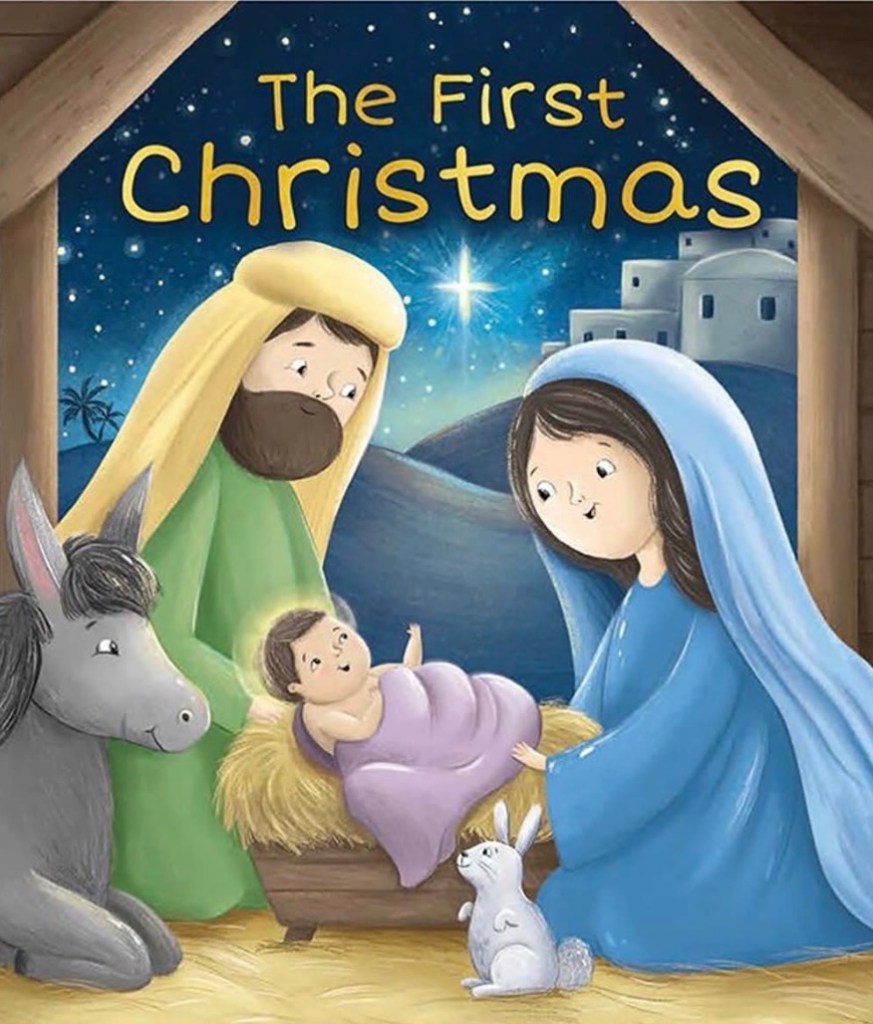
Jesus was born in a humble stable, laid in a manger, welcomed by shepherds, and announced by angels. God chose simplicity and humility to bring His Son into the world. From the very beginning, Jesus showed us that His message was for everyone.

Jesus came not with earthly power, but with love, mercy, and compassion. He lived a life of service—healing the sick, caring for the forgotten, forgiving freely, and teaching us to love one another.

As we celebrate Christmas, let us remember that being more like Jesus is not just for one day or one season. We are called to help others, show kindness, and live with love every day—not only on holidays, but all year long.

May we carry the meaning of Christmas in our hearts and in our actions, remembering that hope was born in a manger and love came into the world through Christ.

Merry Christmas. May the peace and love of Jesus fill your heart and your home.

Posted in Uncategorized

The True Meaning of Christmas: Gratitude, Love, and Reflection

As we approach Christmas, it’s important to remember what this season truly represents. At its core, Christmas is the celebration of the birth of our Lord Jesus Christ—God’s gift of love and hope to the world. It’s a time to reflect on the profound significance of His coming and what it means for our lives.

For many of us, Christmas is also about being together with family and friends. If you’re fortunate enough to see your loved ones, take a moment to be grateful. Make time to talk to them see them because you never know just how long we will be on this earth. Forgive and move on from pettiness and anger.

Many would love to see their loved ones again while others are too busy to appreciate the family they have.

These moments of love, warmth, and connection are precious gifts worth cherishing. Whether gathered around a table, sharing laughter, or simply enjoying each other’s presence, these are the blessings that make this season special.

However, we also remember those who may not be able to be with their loved ones—whether they are far away, separated by distance, or have passed on.

Our hearts go out to them, and we pray for their comfort. Let us lift them up in prayer, asking God to bring peace to those longing for the presence of loved ones and to comfort those grieving during this time.

Ultimately, Christmas calls us back to the true reason we celebrate—the birth of Jesus Christ, who came into the world to bring salvation, love, and eternal hope. Let’s open our hearts to divine love, extend kindness to those around us, and give thanks for the precious gift of life and faith.

May this season be a time of reflection, gratitude, and love—embracing the true meaning of Christmas in our hearts and sharing that love with others.

Posted in Uncategorized

Women of Scripture: Mary, the Mother of Jesus

Women of Scripture: Mary, the Mother of Jesus — Courage, Humility, and Obedient Faith

Mary, the mother of Our Lord Jesus stands as one of the most profound examples of faithful obedience in all of Scripture. Her story is not just a Christmas narrative—it is a daily invitation for how we, too, can live with courage, humility, and trust in God.

Mary was young, ordinary, and living a quiet life when God chose her for an extraordinary purpose. When the angel Gabriel appeared and told her she would conceive by the Holy Spirit, Mary faced a moment that could have been filled with fear, confusion, or refusal. Instead, she responded with words that still echo through generations:

“I am the Lord’s servant. May your word to me be fulfilled.”

Those words reveal the heart of Mary. She didn’t ask for guarantees. She didn’t demand explanations. She didn’t negotiate the cost. She trusted God completely—even knowing the personal risk, social judgment, and uncertainty that awaited her.

Mary’s Strength Was Quiet—but Unshakable

Mary’s faith was not loud or attention-seeking. It was steady, reflective, and deeply rooted in trust. Scripture often tells us that Mary “pondered these things in her heart.” She listened more than she spoke. She reflected before reacting. She trusted God’s promises even when she didn’t yet understand them.

From the manger to the cross, Mary remained faithful. She carried Jesus in her womb, raised Him with love, and later stood at the foot of the cross, witnessing unimaginable sorrow—yet still believing God’s plan was at work.

What We Can Learn from Mary Today

1. Say yes to God, even when it’s uncomfortable.

Mary teaches us that obedience doesn’t require full understanding—only trust. God often calls us into things that stretch us beyond our comfort.

2. Humility invites God’s power.

Mary didn’t see herself as important or worthy; she saw herself as available. God works mightily through humble hearts.

3. Faith means trusting God with your reputation.

Mary risked misunderstanding and judgment, choosing obedience over approval. Today, we are reminded to seek God’s will—not public opinion.

4. Strength doesn’t always look loud.

Mary’s strength was found in perseverance, reflection, and quiet endurance. In a noisy world, her example calls us back to stillness and trust.

5. Treasure God’s work in your heart.

Mary teaches us to slow down, reflect, and hold God’s promises close—especially in seasons of uncertainty.

Becoming More Like Mary

To be more like Mary today means living with surrendered faith. It means trusting God when the path is unclear, choosing obedience when it’s costly, and believing that God can work through our ordinary lives in extraordinary ways.

Mary reminds us that God doesn’t look for perfection—He looks for willingness.

May we, like Mary, respond to God with open hearts and willing spirits, saying each day:

“Lord, let it be done according to Your word.”

Posted in Uncategorized

The Meaning and Story of Hanukkah

Hanukkah, also known as the Festival of Lights, is a time of remembrance, faith, and hope. It is celebrated for eight nights and honors the power of light overcoming darkness, and faith standing strong even in difficult times.

The story of Hanukkah goes back over two thousand years to a time when the Jewish people were forbidden to practice their faith. After years of struggle, a small group known as the Maccabees stood up for their beliefs and fought for religious freedom. Against great odds, they reclaimed the Holy Temple in Jerusalem.

When it came time to rededicate the Temple, there was only a small amount of sacred oil left to light the menorah, enough for just one day. Miraculously, that oil burned for eight days, long enough for new oil to be prepared. This miracle is at the heart of Hanukkah.

Each night, a candle is lit on the menorah, adding more light as the days go on. This reminds us that even a small light can grow brighter, and that hope increases when it is shared.

Hanukkah is also a time for family and tradition. Families gather to light the menorah, say prayers, sing songs, share meals, and remember the importance of faith, perseverance, and gratitude. Games are played, gifts may be exchanged, and stories are shared from one generation to the next.

At its core, Hanukkah is a reminder to stand firm in who you are, to protect what is sacred, and to let your light shine in the world. Even in times of challenge, faith has the power to carry us through.

May this season of Hanukkah bring peace to your home, light to your heart, and hope that lasts far beyond these eight nights.

Happy Hanukkah.

Posted in Uncategorized

Women of Scripture: Elizabeth — Faithful Waiting, Quiet Strength

Elizabeth, the mother of John the Baptist, is one of the most beautiful examples in Scripture of faithful waiting, humble obedience, and unwavering trust in God.

For many years, Elizabeth lived with deep disappointment. She and her husband, Zechariah, longed for a child, yet none came. In biblical times, barrenness carried not only sorrow but social shame. Still, Scripture tells us Elizabeth was righteous before God, living faithfully even when her prayers seemed unanswered. Her life reminds us that faith is not proven by blessings—but by perseverance.

Then, when Elizabeth was well beyond childbearing years, God did the impossible. Through His grace, she conceived a son. That child became John the Baptist, the prophet chosen to prepare the way for Jesus Christ. What felt like a lifetime of silence was suddenly transformed into a miracle with eternal purpose.

Elizabeth’s story teaches us something powerful: God’s timing is not late. What He promises, He fulfills—often in ways that exceed anything we imagined.

But Elizabeth’s faith didn’t stop with her miracle. When Mary came to visit her, newly pregnant with Jesus, Elizabeth responded not with jealousy or comparison, but with joy, humility, and spiritual insight. She recognized God’s work in Mary immediately and spoke blessing instead of doubt. Her words lifted another woman up instead of centering herself.

What We Can Learn from Elizabeth Today

1. Faithful waiting matters.

Elizabeth trusted God even when years passed without answers. Waiting does not mean God has forgotten—it often means He is preparing something greater.

2. Obedience doesn’t require understanding.

She lived righteously without knowing how her story would end. Faith is walking forward without the full picture.

3. Celebrate others, even in your own season.

Elizabeth rejoiced in Mary’s calling while still carrying her own miracle. She shows us how to encourage, not compete.

4. God uses ordinary lives for extraordinary purposes.

Elizabeth wasn’t famous or powerful, yet her obedience placed her in God’s redemptive plan for the world.

Elizabeth’s life reminds us that no season is wasted, no prayer is unheard, and no woman is overlooked by God. When we remain faithful—especially in the waiting—we open ourselves to blessings far greater than we could imagine.

May we learn to wait like Elizabeth: with patience, trust, humility, and hope—believing that God is still working, even when we cannot yet see it

Posted in The Women of Scripture, Women of the Bible

Women’s of Scripture Priscilla — A Model of Strength, Wisdom, and Partnership

Women’s Scripture Spotlight: Priscilla — A Model of Strength, Wisdom, and Partnership

When we study the women of Scripture, we find stories of courage, devotion, and God-given purpose woven through every page. Today, we turn our hearts toward Priscilla, a remarkable woman whose life is a testimony to faithfulness, leadership, and Spirit-empowered ministry.

Who Was Priscilla?

Priscilla appears in the New Testament alongside her husband, Aquila, as partners in ministry and in life. They were tentmakers by trade, missionary servants by calling, and devoted teachers of the gospel. Priscilla is mentioned before Aquila multiple times in the New Testament—a sign of her respected leadership, wisdom, and influence in the early church (Acts 18:18, Romans 16:3).

Scripture paints her as:

A teacher of truth A defender of sound doctrine A brave woman of hospitality A steadfast servant of Christ A partner in ministry who strengthened others

Her story silently but powerfully proclaims that God calls, equips, and uses women in powerful ways for His kingdom.

Priscilla’s Strengths — and What We Can Learn From Her

1. She Was Strong in the Word

When Apollos—a brilliant and passionate preacher—was teaching inaccurately, Priscilla and Aquila gently corrected him, guiding him toward deeper understanding (Acts 18:26).

She knew Scripture. She valued truth. She spoke with wisdom, not ego.

How we can be more like her:

Be women who study Scripture deeply. Speak truth with grace, not judgment. Grow in biblical understanding so we can encourage others.

2. She Practiced Ministry as Partnership, Not Competition

Priscilla worked with her husband, not behind him and not in rivalry. Their ministry flowed from unity, mutual respect, and shared passion for the gospel.

How we can be more like her:

See ministry as a team effort within our homes, churches, and friendships. Support the gifts God has placed in others. Avoid comparison—embrace collaboration.

3. She Used Her Home for God’s Kingdom

Priscilla and Aquila opened their home for teaching, fellowship, and worship (Romans 16:5). Hospitality was their ministry, and their living space became a place of spiritual transformation.

How we can be more like her:

Welcome others with warmth, whether into our homes or into our conversations. Create spaces where people feel seen, valued, and strengthened. Let everyday life become a place where God can move.

4. She Was Courageous and Steadfast

Paul said that Priscilla and Aquila risked their lives for him (Romans 16:3–4). Faith wasn’t a hobby—it was a calling that demanded courage.

How we can be more like her:

Stand firm in faith even when it’s uncomfortable. Live boldly for Christ, trusting His protection and guidance. Remember that obedience is an act of bravery.

Two Bible Verses to Reflect On

Acts 18:26 (NIV)

“He began to speak boldly in the synagogue. When Priscilla and Aquila heard him, they invited him to their home and explained to him the way of God more adequately.”

Romans 16:3–4 (NIV)

“Greet Priscilla and Aquila, my co-workers in Christ Jesus. They risked their lives for me. Not only I but all the churches of the Gentiles are grateful to them.”

Final Encouragement

Priscilla’s life teaches us that God honors faithfulness over fame, obedience over position, and partnership over pride.

She reminds women everywhere:

You are called. You are gifted. You are needed in God’s kingdom.

May we walk with the same wisdom, strength, and courage she displayed—knowing that God delights in using our lives, our gifts, and our stories to advance His mission.

Posted in The Women of Scripture

Women in Scripture- Lydia: A Woman of Faith, Hospitality, and Generosity

Lydia: A Woman of Faith, Hospitality, and Generosity

The story of Lydia in scripture offers us a beautiful example of how one woman’s faith and openness can make a lasting impact. Lydia, a successful businesswoman, is celebrated for her generosity and hospitality—using her resources to support Paul’s ministry and open her home to believers. Her story is a heartwarming reminder that our blessings can be used to build God’s kingdom.

In Acts 16:14-15, we learn that Lydia was a seller of purple cloth, a woman of influence and wealth, who welcomed Paul and Silas into her home after her heart was opened by God. Her willingness to share her resources and her home helped establish the early church, demonstrating that faith is active—expressed through hospitality and generosity.

Lydia’s life teaches us that no matter our circumstances, we can use what we have—our resources, time, and kindness—to serve others and advance God’s work. Her example inspires us to be like her: generous in spirit, welcoming in heart, and committed to making a difference in our communities and beyond.

Scripture:

Acts 16:14-15
“The Lord opened her heart to respond to Paul’s message. When she and the members of her household were baptized, she invited us to her home. ‘If you consider me a believer in the Lord,’ she said, ‘come and stay at my house.’ And she persuaded us.”

This passage highlights Lydia’s openness to God’s calling and her willingness to share her blessings for His kingdom.

A Prayer to Be More Like Lydia

Heavenly Father,
Thank You for the inspiring example of Lydia—a woman whose faith, hospitality, and generosity made an eternal impact.
Help us to open our hearts to You and to be willing instruments of Your love.
May we use our resources and blessings to support Your work and extend kindness to others.
Teach us to be welcoming, generous, and eager to build Your kingdom through our actions.
Fill our lives with the spirit of Lydia—faith in action—so that we may serve You with a joyful heart.
In Jesus’ name, we pray. Amen.

Lydia’s story encourages us to reflect on how we can personally embrace opportunities to serve, share, and love—building God’s kingdom one welcoming act at a time.

Posted in The Women of Scripture, Trusting God in All Situations, Women of the Bible

Women in Scripture- Mary Magdalene: Witness to the Resurrection — A Model of Devotion and Joy

Mary Magdalene’s story is one of unwavering devotion, joy, and boldness. She is a true testament to the power of deep personal faith and the transformative presence of Jesus in our lives. As a faithful follower, Mary was among the first to witness the empty tomb and to share the incredible news—she was the first to see Jesus risen.

Her story reminds us of the importance of a heartfelt, personal relationship with Jesus. Despite her past, her dedication shines through. Her unwavering loyalty and courage demonstrate how genuine faith can change lives and influence others profoundly. Mary’s witness *signifies her vital role in the early church* and exemplifies what it means to be faithful and bold in our walk with Christ.

Her life encourages us to cultivate a deep devotion to Jesus, to find joy in His resurrection, and to recognize that sharing our testimony can inspire others. Mary Magdalene’s story teaches us that true dedication, no matter how bold, comes from a loving heart committed to the Lord’s mission.

Bible Quote:

Go and tell my brothers and sisters, ‘I am ascending to my Father and your Father, to my God and your God.— John 20:17

This verse highlights her significant role in sharing Jesus’ message and her faithfulness in spreading the good news.

Heavenly Father,  

Help us to be more like Mary Magdalene faithful, bold, and devoted to You.  

May we witness Your love with joy and share Your good news without fear.  

Fill our hearts with her unwavering faith and teach us to recognize Your presence in every moment.  

Guide us to be witnesses of Your resurrection and lights to others.  

In Jesus’ name, we pray. Amen.

Mary Magdalene’s story invites us to deepen our relationship with Jesus, to be courageous in our faith, and to share His love joyfully. Like her, let us be bold witnesses, rooted in devotion and driven by the transformative power of Christ.

References

Luke 8:2-3— Highlights her background as a follower who was delivered from evil spirits, emphasizing her transformation and deep devotion to Jesus.  

John 20:11-18— The account of Mary Magdalene at the empty tomb and her encounter with the risen Jesus, showcasing her faith and joy. Mary Magdalene stood outside the tomb crying… Jesus said to her, ‘Mary.’ She turned toward him and cried out in Aramaic, ‘Rabbi!

Matthew 28:1-10— The scene of Mary Magdalene and the other women discovering the empty tomb and witnessing the resurrection.  The women hurried away from the tomb, afraid yet filled with joy, and ran to tell his disciples.

Mark 16:9-11 – Jesus appears to Mary Magdalene after His resurrection, affirming her importance as a witness.  Jesus appeared first to Mary Magdalene, out of whom he had driven seven demons.

Acts 1:14 — Shows Mary Magdalene among the early followers, united in prayer after Jesus’ ascension, demonstrating her continued faithfulness.  They all joined together constantly in prayer, along with the women and Mary the mother of Jesus, and with his brothers