Wednesdays are often considered the midpoint of the week, and what better time to reflect on embracing change and recognizing your inherent worth. In the hustle of our lives, it’s crucial to acknowledge the beauty of change and the perfection in being yourself, just as God intended.
Embracing Change: Change is an inevitable part of life, and Wednesdays provide the perfect opportunity to welcome it with open arms. Proverbs 3:5-6 reminds us, “Trust in the Lord with all your heart, and do not lean on your own understanding. In all your ways acknowledge him, and he will make straight your paths.” Embracing change becomes easier when we trust in a higher plan, knowing that every twist and turn is guided by a divine purpose.
Never Underestimating Yourself: You are fearfully and wonderfully made (Psalm 139:14). Never underestimate the unique qualities and capabilities that make you who you are. Romans 12:6 encourages us, “We have different gifts, according to the grace given to each of us.” Recognize and celebrate your gifts, for they are a part of the intricate design God has bestowed upon you.
Positive Quote for Wednesday: “Embrace each new day with gratitude, knowing that every moment is a blessing and every change is an opportunity for growth.”
As Wednesday unfolds, take a moment to appreciate the beauty in change and the perfection in your individuality. Trust the path laid before you, honor your gifts, and remember that you are wonderfully made. Embrace the unique journey only you can walk, for it is a testament to the divine plan woven into the fabric of your existence.
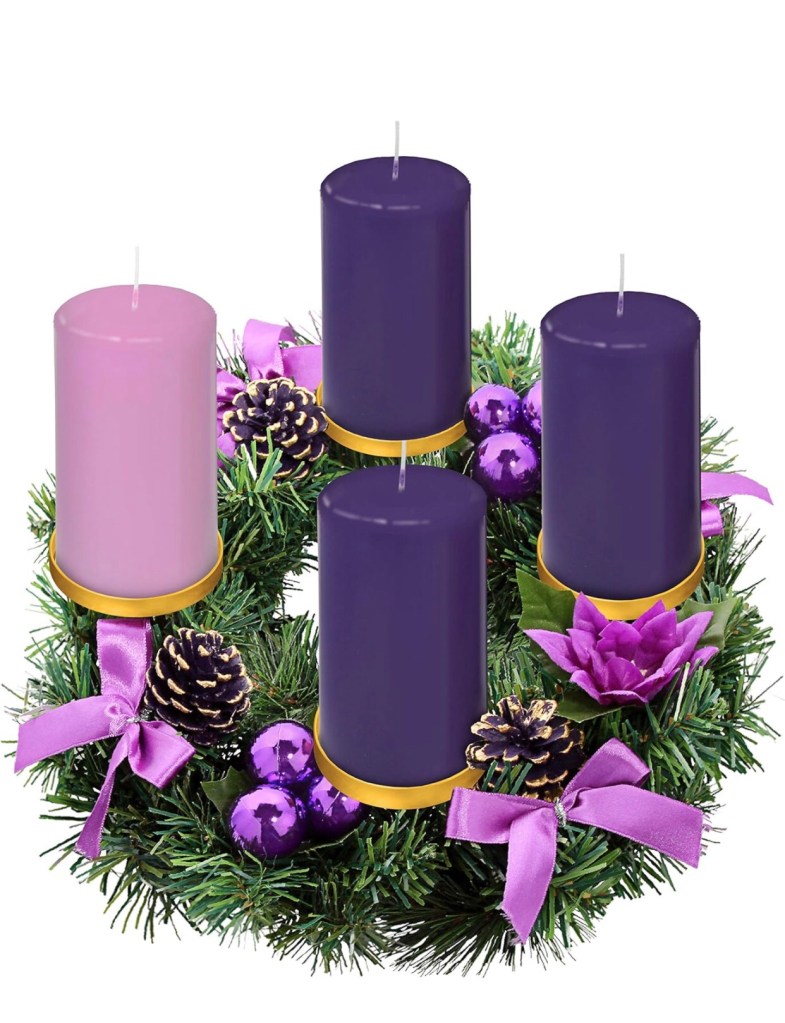
Christian traditions, Advent kicks off the liturgical year and gets us all hyped up for the Christmas celebration of Jesus’ birth. This year, we’re diving in on Sunday, Dec. 3, and riding the Advent wave for four weeks, each dedicated to a vibe represented by lighting candles on an Advent wreath.
We’re talking themes here: hope, peace, joy, and love. And we’re not just randomly picking candle colors; we’ve got purple for penance and royalty, plus pink or rose for some serious rejoicing vibes. It’s like a symbolic color palette for the season.
Throughout Advent, we’re not just twiddling our thumbs. Nope, we’re going to church services, reading scripture, throwing up prayers, and spreading kindness like confetti. It’s a spiritual journey leading us straight into the Christmas bash.
So, what’s Advent, you ask? Besides being the countdown to the birth of Christ, some folks see it as a calendar affair. We’re talking scripture readings, prayer sessions, and reflective moments. Some even light up candles on that iconic Advent wreath. But here’s the scoop – there’s no one-size-fits-all approach. You do Advent your way, whether it’s a personal gig or a family tradition at home. It’s like a choose-your-own-adventure of Advent expressions.
Now, the big question: What are those four Advent themes all about?
Hope: Week one is all about hope, that sweet anticipation of the Messiah rolling into town. It’s the hope for salvation and the real deal fulfillment of God’s promises.
Peace: Week two shifts gears to peace. We’re reflecting on the peace Jesus brings – not just an inner zen, but also the dream of a world in total chill mode.
Joy and Love: The last two weeks amp it up with joy and love. Week three is the happy dance for Jesus’ arrival, and week four is all about the divine love showcased through God showing up in human form.
Sure, some folks might think of Advent as a pre-Christmas calendar, but it’s got way more street cred in the Christian faith. According to Weekley, who seems to know his stuff, it’s not just about counting down to Christmas; it’s about reflecting on the times Jesus dropped into our world. It’s not just a historical thing; it’s about letting the arrival of Christ mold us into peace-loving, compassionate, and holy beings.
And in case you’re wondering, Advent kicks off this year on Sunday, Dec. 3, 2023, and wraps up the party on Christmas Day, Dec. 25. So, get ready for a month of candle-lit reflections and a whole lot of peace, love, and joy. Cheers to Advent! 🕯️✨
In the intricate tapestry of life, where uncertainty often prevails, the wisdom of Proverbs 3:5-6 resonates as a guiding light: “Trust in the Lord with all your heart, and do not lean on your own understanding. In all your ways acknowledge him, and he will make straight your paths.” These verses encapsulate the profound essence of allowing God to be our guide.
The Foundation of Trust: At its core, trusting in God is a profound commitment. It’s a surrendering of our understanding, an acknowledgment that our finite perspectives may not always grasp the grand design of God’s plan. Trust becomes the bridge between our uncertainties and the unwavering certainty of divine guidance.
The Path to Alignment: Leaning on our own understanding can often lead us astray, clouded by our limited knowledge and perspectives. However, when we choose to acknowledge God in every facet of our lives, we invite His wisdom to align our paths. It’s an intentional choice to let go of control and embrace the assurance that comes with trusting in a higher power.
A Journey of Faith: Trusting in God is not a passive act but an active journey. It requires us to release our anxieties, doubts, and fears into His capable hands. As we navigate the twists and turns of life, this trust becomes a beacon, illuminating the way forward. In times of joy and challenges alike, acknowledging God’s presence fosters a deep sense of purpose and peace.
Believing in God’s Best: Trusting in God is inherently intertwined with the belief that He is working for our best interests. Even in moments of adversity or when life’s path seems unclear, faith whispers that God’s plan is unfolding, guided by a profound love that seeks our well-being.
Embracing the Journey: Trusting in God transforms the journey of life into a meaningful pilgrimage. It’s an invitation to relinquish our worries, uncertainties, and need for control. By placing our trust in God, we open ourselves to the transformative power of His guidance, allowing Him to make straight our paths.
Proverbs 3:5-6 serves as a timeless reminder of the beauty that unfolds when we trust in the Lord with all our hearts. This trust is not a blind leap but a purposeful step into the arms of divine guidance. As we navigate life’s journey, let us hold fast to the belief that trusting in God is the key to unlocking paths that lead to fulfillment, purpose, and an enduring connection with the Divine.
I wanted to take a moment to share my thoughts, particularly with all the wonderful women out there who, like me, are fortunate to have an amazing husband, partner, or significant other. This is my second chance at love, and I feel truly blessed to have found someone special. Despite being an ordained minister, I’m only human, and life’s stresses can sometimes take their toll.
There are moments when I, too, falter—times when frustration and impatience and yes even anger at a specific situation has crept in. Yet, I am grateful to have a Christian husband by my side, a man who embodies qualities of patience and kindness, softer spoken, not loud, mean or arrogant. It’s a reminder that even those of us who strive to spread love and understanding can stumble.
I want to emphasize the importance of taking a pause in our busy lives to truly appreciate the good people around us, especially a supportive partner. In my case, it’s a husband who stands by me with unwavering patience and kindness. It’s easy to get caught up in the whirlwind of life, but moments of reflection help us recognize the love and support we’re surrounded by.
Let’s make a conscious effort to cherish those who bring positivity into our lives. Whether it’s a husband, boyfriend, significant other, or partner, they contribute to our well-being in ways both big and small. Today, I encourage you all to take a moment to express gratitude and love for the wonderful individuals who make our journeys richer.
He makes cookies with me and makes a great birthday cake.
He works hard most of the time too hard.
Growing old with your best friend and life partner is a journey that unveils the true beauty of companionship. There’s something profoundly special about finding that person who not only understands you but embraces you—flaws and all. My heart swells with gratitude as I reflect on the incredible bond I share with my husband.
In the tapestry of life, the threads of our connection have woven a story of acceptance and love. There’s a unique joy in realizing that someone sees you, truly sees you, and loves you for everything you are. The quirks, imperfections, and idiosyncrasies become endearing aspects of a shared history.
To have a partner who not only tolerates but celebrates your uniqueness is a rare and beautiful gift. It’s the comfort of being yourself without fear of judgment—a sanctuary of love where both strengths and weaknesses are acknowledged and cherished.
As the years pass, this journey of growing old together becomes a testament to the strength of our connection. We navigate the highs and lows hand in hand, finding solace in the familiarity of each other’s presence. There’s a certain magic in having a front-row seat to witness the evolution of a relationship, deepening with time like a fine wine.
My husband is amazing
In moments of joy and in times of challenge, my husband stands by my side, and I by his. The shared laughter and the shared tears become the mortar that fortifies the foundation of our companionship. It’s a partnership built on understanding, respect, and unwavering support.
So, here’s to growing old with the one who knows the melody of your heart. Here’s to the quiet moments and the shared adventures. And most importantly, here’s to accepting and embracing each other—flaws and all. I am immensely grateful for the gift of a lifelong companion, for a journey that continues to unfold, and for a love that only deepens with the passage of time.
Wishing everyone a day filled with appreciation and warmth.
Embrace life’s simplicity and break free from unnecessary seriousness. If something feels amiss, take action—don’t overcomplicate. I believe in proactive living, steering clear of stagnation. If a situation persists, I choose serenity by distancing myself. This philosophy applies to relationships, careers, friendships, and more. Our existence is meant for joy, not suffering.
Life doesn’t need to be so complex we make it that way.
I am happy with a decent roof over my head a good meal and surrounded by people I enjoy and who enjoy me.
Not a fan of drama or always complaining, sometimes I get off track but soon bring myself back to center by reading my Bible.
Find solace in the Bible, cherish family moments, relish good meals, and savor fresh air. Bid farewell to defeatism; cultivate a positive mindset. Here are two uplifting Bible verses and a daily positive quote:
“Rejoice in the Lord always. I will say it again: Rejoice!” – Philippians 4:4
“The Lord is my strength and my shield; my heart trusts in him, and he helps me.” – Psalm 28:7
Positive quote for the day: “Optimism is the faith that leads to achievement. Nothing can be done without hope and confidence.” – Helen Keller
Today I marked the celebration of 61 years of life, and counting,and it was nothing short of amazing. While the number may suggest a certain age, most days, I don’t feel anywhere close to 61 most days I feel more like a sprightly 45-50
Not saying there are t days where I feel 75 because arthritis and osteonecrosis, keep me fully aware of all the joint pain and stiffness I have , but I like to focus on the positive.
Life has a way of keeping us young at heart. Especially when you are closer to family.
The day began with a chorus of birthday greetings from my daughter, husband, granddaughter, friends, and family. Messages flooded in through texts, Facebook, and phone calls, creating a symphony of well-wishes that warmed my heart. The unexpected knock on the door brought an exquisite orchid flower and a cheerful birthday balloon—a delightful surprise from my granddaughter.
As if that wasn’t enough, about an hour later, my granddaughter, who lives a few hours away, graced me with her presence. Her visit was the best gift imaginable, turning an already special day into an extraordinary one. We shared a lovely walk, filled with talking, some laughter and lots of love.
To cap off the festivities, my husband and I had a nice dinner and then surprised me with my guilty pleasure—a mocha frappe. Its deliciousness is a rare treat for me, making it all the more enjoyable when the occasion arises. Today was undeniably one of those occasions.
Reflecting on the day’s blessings, I’m reminded of the beauty of connections and the joy that loved ones bring into our lives. Their gestures, both big and small, added layers of happiness to this milestone day.
Gratitude fills my heart as I express my thanks to everyone who took the time to send their birthday wishes. Your kindness made my day even more special, and I’m truly grateful for each and every one of you.
As I close the chapter on this memorable day, and look for to next years 62nd bday a verse from Psalms comes to mind: “This is the day that the Lord has made; let us rejoice and be glad in it.” (Psalm 118:24) Today was a day of rejoicing, and I am blessed beyond measure.
As the countdown to Christmas begins with just 26 days left, my heart is filled with anticipation for the joyous celebration ahead. In the midst of the festive hustle and bustle, it’s essential to pause and reflect on the true meaning of Christmas—the miraculous birth of Jesus Christ, our Lord and Savior.
In these precious days leading up to Christmas, let’s not get swept away solely by the enchantment of gifts and the whimsical tales of Santa Claus. Instead, let us take a moment to turn our hearts towards the biblical significance of this season. As we exchange presents and share in the warmth of togetherness, it’s crucial to remember the divine reason behind our celebrations.
One of my favorite Bible verses that resonates deeply with the essence of Christmas is from Luke 2:11, where the angel declares, “For unto you is born this day in the city of David a Savior, who is Christ the Lord.” This verse serves as a timeless reminder of the extraordinary event that occurred on that holy night—a gift beyond measure, the birth of our Savior.
Another poignant scripture to ponder during this season is John 3:16, a verse that encapsulates the profound love and purpose behind the nativity story: “For God so loved the world, that he gave his only Son, that whoever believes in him should not perish but have eternal life.” Christmas is, at its core, a celebration of God’s boundless love manifested through the gift of His Son.
In the midst of the festive decorations and the wrapping of presents, let’s prioritize gratitude and praise. It’s a time to express our thankfulness for the ultimate gift of salvation and to offer our heartfelt praises to the Lord. Whether through prayer, hymns, or quiet contemplation, let the true spirit of Christmas illuminate our hearts.
As the days dwindle to that magical moment, let’s carry the message of Christmas with us—a message of hope, love, and divine grace. May this holiday season be a testament to the enduring significance of Jesus Christ in our lives, as we gather with loved ones to celebrate the birth of the greatest gift humanity has ever received.
As we had our first Thanksgiving in Florida, the absence of snow and subzero temperatures signals a different kind of holiday season. Having always lived in Ohio, the change is both exhilarating and refreshing. This year, our Thanksgiving dinner will be adorned with sunshine, shared with family, making it a unique and memorable experience.
Post Thanksgiving, we’re embracing the Floridian lifestyle with friends on the beach—a lunch gathering that promises warmth, laughter, and the soothing sound of waves. It’s a delightful contrast to our previous cold-weather celebrations.
Wishing everyone a warm and joyous holiday season filled with good food, laughter, and cherished moments.
In the midst of the festive season encompassing Thanksgiving, Black Friday, Hanukkah, Christmas, and New Year’s, it is crucial to redirect our focus towards those battling addiction, grief, and loneliness. As we celebrate, let us extend our love and care to the hungry, homeless, poor, and the working poor.
Bible Verses:
“Bear one another’s burdens, and so fulfill the law of Christ.” – Galatians 6:2
“The Lord is near to the brokenhearted and saves the crushed in spirit.” – Psalm 34:18
“Let each of you look not only to his own interests but also to the interests of others.” – Philippians 2:4
Positive Quote for the Day: “Kindness is the language which the deaf can hear and the blind can see.” – Mark Twain
National Suicide Prevention Lifeline (United States): 1-800-273-TALK (8255)
Crossroads Hospice & Palliative Careprovides services to those facing serious or terminal illness. Please call us at 1-888-564-3405 for more information.
As we revel in the joy of the holidays, let’s make an effort to create a compassionate and inclusive atmosphere for everyone, ensuring that no one feels alone or forgotten.
Amid the festive facade, it’s vital to recognize the hidden struggles within closed doors—physical and mental abuse affecting women, children, men, and seniors. In times of heightened stress, such as job loss or financial strain, abuse can escalate, exacerbated by factors like alcohol, drugs, and gambling during football season.
Five Lines for Support:
You are not alone. If you or someone you know is facing abuse, reach out to a trusted friend or family member.
Seek help from local domestic violence hotlines or shelters, providing a safe haven for those escaping abuse.
National Domestic Violence Hotline: 1-800-799-SAFE (7233)
Be a lifeline for someone in need; share these resources, because silence can perpetuate the cycle of abuse.
Remember, your safety matters. If in immediate danger, call emergency services.
During this season of togetherness, let’s extend our care beyond celebrations, ensuring that everyone has the support they need to break free from the shadows of abuse.
Abuse Hotlines
Days and weeks of close confinement can increase instances of elder abuse, domestic violence, and child abuse. There are people who can help.
Domestic Abuse support can be found from theNational Domestic Violence Hotline at 1-800-799-7233. They provide free, confidential support 24 hours a day, 7 days a week to anyone experiencing domestic violence, seeking resources or information, or questioning unhealthy aspects of their relationship.
Child Abuse support can be found at TheChildhelp National Child Abuse Hotlineat 1-800-4-A-CHILD or 1-800-422-4453. They can provide crisis intervention, information, and referrals to emergency, social support, and support resources. Their professional crisis counselors are able to provide assistance through interpreters in over 170 languages.
We all need a little support sometimes. There are people who can help.
If you found this information helpful, please share it
My Story
Breaking Free: Escaping Holiday Abuse – A Personal Journey and Practical Tips
The holidays are supposed to be a time of joy, but for many, they can become a dark and distressing period. I know this all too well from my own experience. In my first marriage, entering any holiday season meant a tenfold increase in abuse. The reasons behind this escalation remain unclear – perhaps it was the added stress of holiday expenses, although no excuse can justify such behavior.
After enduring over a decade of abuse, I broke free from that toxic marriage. Inspired by my own journey, I decided to help those facing domestic violence. What I discovered was a disturbing pattern: holiday seasons, periods of unemployment, and even football seasons became triggers for increased abuse among victims.
Abuse comes in various forms – spousal abuse, elder abuse, child abuse, financial abuse, emotional abuse, and psychological torment. It’s important to recognize that accepting such treatment is never the solution, as the situation only tends to worsen over time. The belief that your abuser will change is often a futile hope.
For those trapped in abusive situations, planning an escape is crucial. Starting with discreetly saving money, creating a comprehensive action plan becomes a lifeline. Preparation is key for the moment when escape becomes a necessity.
Keep copies of your birth certificate and all your children as well as copies of social security cards.
Keep a duffel bag or something to hide a couple changes of clothes in case you need to flee quick.
If you can stay at a family member’s do it. If not call your local DV shelter and NEVER reveal the location of the shelter to anyone’ Doing so puts not just you but future residents at risk.
If you get a restraining order please do not dismiss it. It’s for your protection.
If you are broke seek legal aid or welfare
If you work keep your emergency duffel there if you can.
To anyone facing holiday abuse, know that you’re not alone. By sharing my story and offering practical tips, my hope is that others can find the strength and resources to break free from the cycle of abuse. Remember, the path to liberation begins with acknowledging the need to escape and taking steps to be prepared for that crucial moment.