The body always knows what to do to heal itself. The challenge is listening and doing what your body needs.
I was diagnosed with Osteoarthritis in 1997ish, Avascular Necrosis aka Osteonecrosis in my knee in 2014 and Factor V Leiden hetero, and Spondylolisthesis 2005ish
Health Advocate-Health Activist-World Changer
Love photography, cooking, hiking, walking ,traveling and learning to live a new normal since my diagnosis.
My Links
Facebook Main Profile
https://www.facebook.com/debbie.briglovichandio
Main Blog
www.ChronicallyGratefulDebla.com
Twitter - https://twitter.com/debbiea001
Instagram - https://www.instagram.com/debbiea_1962 and https://www.instagram.com/chronicallygratefulme
Support Group Avascular Necrosis/Osteonecrosis Support Int’l
https://m.facebook.com/groups/DeadBoneDiseaseAvn
Awareness for Avascular Necrosis & Other Conditions of The Bone and Joints
https://www.facebook.com/AvascularNecrosisAndBoneDiseaseAwareness/
Avascular Necrosis Awareness Day November 29 – working with elected officials to get this recognized in all states
https://www.facebook.com/AwarenessByDebla/
Avascular Necrosis-Osteonecrosis Knowledge and Education
https://www.facebook.com/AvascularNecrosisEducation/
Facebook Link
https://m.facebook.com/ChronicallyGrateful.Me/
On this Mother’s Day, I find myself thinking of you, Mom , more than ever because I cannot even visit your grave now that I moved . The day is bittersweet, filled with love and longing.
Mom, you are missed beyond measure. How I wish we could sit down together,, talk like we used to. Though we may be apart, know I still talk to you often. In moments of joy, and in moments of stress, you are always in my thoughts.
Your love surrounds me, guiding me, supporting me. Your presence is felt in every step I take, and every decision I make.
So on this special day, I want to express my love and gratitude to you, Mom. You are forever in my heart, forever cherished, forever missed.
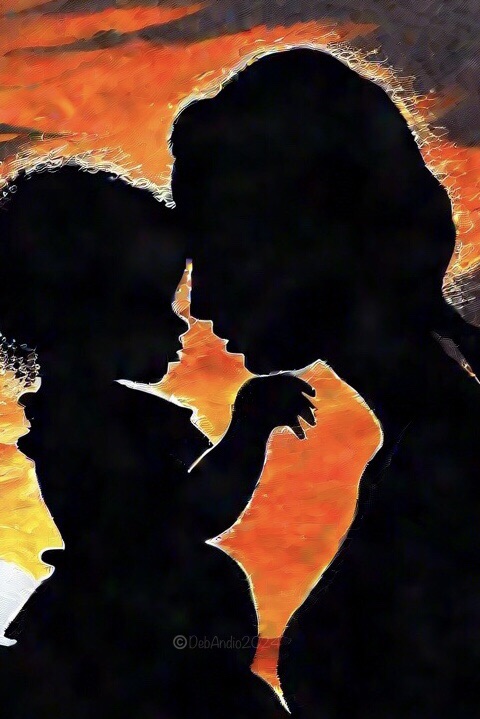
I am adding pictures of my daughter and granddaughter because I love them with all my heart.
And even though we still do not see each other daily as we are in different parts of the state, I am beyond grateful to have a beautiful smart and intelligent daughter and wish we seen each other more.
But so grateful for my granddaughter who is just simply amazing in every way. I am so glad we see each other a few times a week.
Reflecting on my childhood, I recognize that my mother was not perfect – far from it. There were moments when her actions seemed harsh to me and her rules felt restrictive. I often grappled with feelings of frustration and a sense of being unfairly controlled by her protective instincts. I was an only child, and I know her and my father were very overprotective because they had to still burst and a miscarriage before I came along 10 years later after they tried to start having children.
I recall instances where I longed for more freedom, envying my friends who seemed to have more lenient parents. The curfew she enforced at age 14 felt suffocating, especially when compared to the liberties granted to others. Even at 16 my curfew was earlier than most. In those moments, I failed to comprehend the depth of her intentions; the love and concern that underpinned her decisions.
Despite these challenges, as I matured, I began to see beyond the surface. I realized that her what appeared to be strictness and over protective ways stemmed from a place of unwavering love and a desire to shield me from harm.
Her actions, however imperfect they may have seemed to me then, were rooted in a profound dedication to nurturing and protecting me.
Looking back now, I understand that perfection is an unrealistic standard for any parent. Flaws and missteps are part of the human experience, even for the individuals we hold in the highest regard. My mother, though flawed, was undeniably a good one—her love and sacrifices shaping me into the person I am today.
Today, as I navigate through life’s challenges, I am profoundly grateful for the foundation she laid, the lessons she imparted, and the love she bestowed. Despite our differences and the conflicts that arose, as I was a teenager who had a rebellion side: I know that her intentions were always rooted in affection and care. Imperfect yet unwaveringly devoted, my mother’s love remains a guiding light, shaping my journey with its enduring warmth and presence.
As Mother’s Day approaches on Sunday, May 12, 2024, it is a time of mixed emotions for many individuals. For some, this day serves as a reminder of a mother who has passed away, creating a bittersweet atmosphere tinged with memories of times spent together. For others, it may evoke feelings of sadness and regret for not fully appreciating their mother while she was present.
Cherishing the Bond:
The relationship between a mother and child is unparalleled in its depth and complexity. From carrying you for nine months to bringing you into this world, a mother’s love and sacrifices are immeasurable. Despite any shortcomings or mistakes, a mother’s love remains constant, unwavering in its support and care.
Embracing Forgiveness:
While some may harbor feelings of resentment towards their mothers due to past experiences – such as addiction, abandonment, or other challenges – it is crucial to recognize the power of forgiveness. Holding onto negativity only serves to weigh us down, hindering our own emotional well-being and growth.
Moving Forward with Love:
This Mother’s Day, let us take a moment to reflect on the love and sacrifices that our mothers have made for us. Regardless of the circumstances, the bond between a mother and child is irreplaceable. Let go of any hurt or anger in your heart and choose to embrace forgiveness, not for anyone else but for your own peace of mind. Celebrate the opportunity to cherish your mother, whether she is physically present or lives on in your memories.
As we honor mothers everywhere on this special day, let us remember that a mother’s love is a gift unlike any other, deserving of our gratitude and appreciation.
In the journey of life, we are all bound to encounter trials and tribulations, whether we navigate through days filled with sunshine or weather storms of adversity. For individuals like myself, living with chronic pain has become a constant companion, although since moving to Florida it’s been less, fir 30 years it’s been a silent shadow that lingers in the background of daily existence. Yet, amidst the challenges and uncertainties that pain brings, I have learned to embrace a mindset of chronic gratitude – an attitude that transcends circumstances and illuminates even the darkest moments with rays of hope and appreciation.
I am on a personal sojourn towards discovering the profound beauty of being grateful in both the good times and the not-so-good times. This journey has taught me that gratitude is not just a fleeting emotion evoked by fleeting circumstances; it is a state of being, a conscious decision to acknowledge and appreciate the blessings that surround us, no matter how small or seemingly insignificant they may appear.
Living with chronic pain has its own set of challenges – the unrelenting ache, the limitations it imposes, the moments of despair when it seems like the pain will never end. However, through the lens of chronic gratitude, I have come to understand that even in the midst of pain, there are still reasons to be thankful. It is in those moments of discomfort and struggle that we discover our inner strength, our resilience, and our capacity to endure.
Whether we are working full-time, part-time, or currently unemployed, the trials and tribulations of life do not discriminate. They touch us all in different ways, shaping our experiences and testing our resolve. It is during these times that being grounded in faith becomes essential, serving as a beacon of light in the darkness, a source of comfort and guidance when the road ahead seems uncertain.
Being chronically grateful does not mean denying the challenges we face or pretending that everything is perfect. Instead, it is an acknowledgment of the complexities of life, a recognition that even in the midst of pain and adversity, there are still reasons to give thanks. It is an act of defiance against despair, a declaration of hope in the face of uncertainty.
So, as I navigate the highs and lows of my journey, I choose to remain chronically grateful, blessed, and thankful. I choose to see the beauty in every moment, to find joy in the midst of sorrow, and to embrace each day as a gift, no matter what it may bring. Because in the end, gratitude is not just a feeling – it is a way of life, a testament to the resilience of the human spirit and the power of faith to sustain us through the darkest of times.
As Mother’s Day approaches, it is perfect time to celebrate and honor the special women in our lives who have given us love, support, and guidance. Finding the perfect gift to express our gratitude can be a rewarding yet daunting task. To make your gift-giving experience easier, I have curated a list of thoughtful and budget-friendly gift ideas that are sure to bring joy to any mother figure in your life.
By clicking on the Amazon affiliate links provided, you can conveniently explore these gift ideas and make your purchase while supporting my blog at no extra cost to you. Your support enables me to continue creating content and sharing valuable recommendations with my readers.
Thank you for your support and happy Mother’s Day to all the incredible moms out there who deserve to be celebrated every day. Let’s show our appreciation by giving them gifts from the heart that reflect the love and gratitude we hold for them.
As we gather today to mark the National Day of Prayer, it’s pertinent to reflect on the profound connection between our emotional well-being and our physical health. In the hustle and bustle of daily life, it’s easy to let emotions like anger, bitterness, and frustration take hold. However, it’s crucial to realize that every time we allow these negative emotions to surface, we inadvertently drain our emotional energy reserves, leaving us feeling depleted and exhausted.
The Toll of Unchecked Emotions:
Experiencing frequent outbursts of anger or harboring bitterness can have detrimental effects on our overall health. The stress hormones released during these moments of emotional upheaval can wreak havoc on our bodies, compromising our immune system, and increasing our risk of various health problems.
Choosing Emotional Balance:
Instead of allowing ourselves to get swept up in anger over minor inconveniences, it’s essential to pause and consider the long-term consequences on our health. Is getting upset over trivial matters truly worth the toll it takes on our well-being? By consciously choosing peace over turmoil, we can safeguard our health and nurture a more positive outlook on life.
The Power of Prayer in Letting Go:
On this day of prayer, let us also pray for the strength to release our grip on negative emotions. Surrendering our worries and frustrations to a higher power can bring a sense of calm and perspective. By relinquishing the need to control every situation and letting go of unnecessary anger, we can pave the way for improved emotional and physical health.
Embracing Serenity Through Prayer:
Ultimately, rather than allowing anger, bitterness, and frustration to rule our lives, let us seek solace in prayer. By cultivating a mindset of acceptance and letting things be, we can preserve our emotional energy and promote a healthier, more balanced lifestyle. Remember, getting upset seldom solves anything; it only serves to deplete our inner resources.
On this National Day of Prayer, may we all find the strength to release negative emotions, embrace serenity, and prioritize our emotional well-being for the betterment of our health and overall happiness.
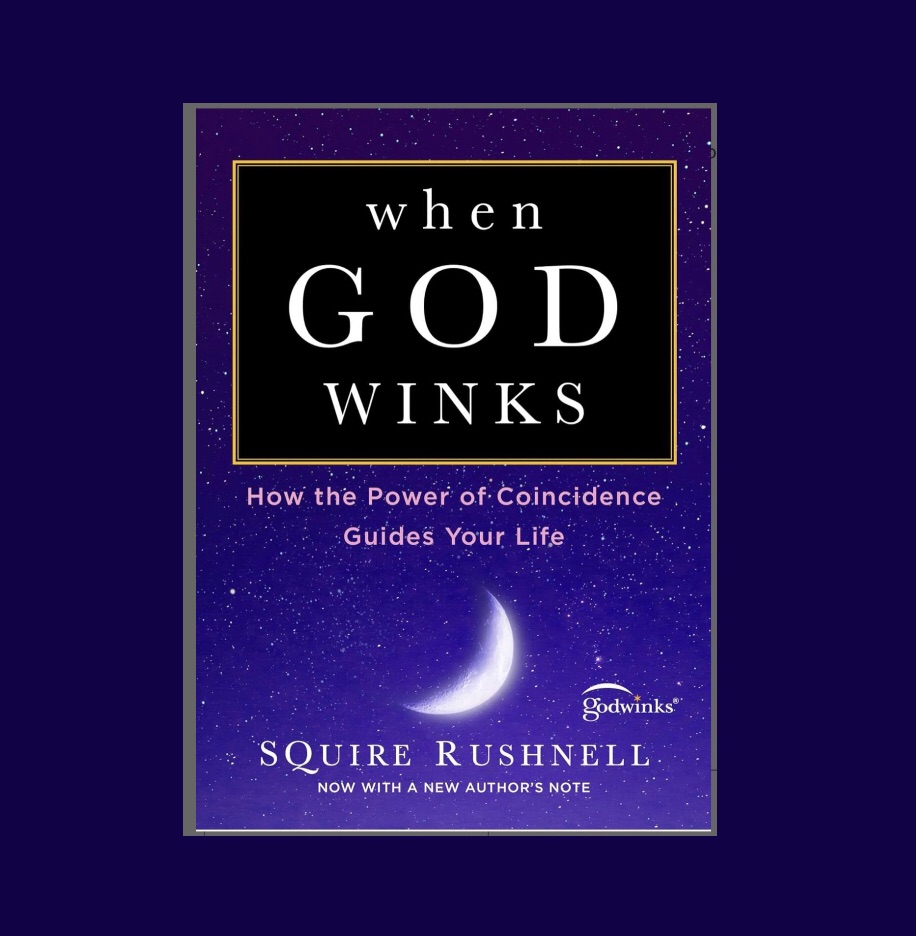
So, I’m currently diving into these two books—well, not exactly reading, but more like listening on Audible.”God Winks” is all about those moments when life throws you for a loop, and you start questioning if anyone up there is paying attention. Then out of the blue, something happens that changes everything for the better. Those little miracles? They’re not just random events; they’re like winks from a caring higher power, letting you know you’re not alone in this crazy journey.
And as for “What
The Creative Act Means to Me,” it’s got me thinking. Creativity isn’t just a talent; it’s part of who we are, a gift from the divine. It’s like tapping into this endless flow of inspiration, reminding us that we’re not just passive beings but co-creators with something greater than ourselves.
Good morning, dear friends. Apologies for my absence; life has been quite hectic lately. Amidst the whirlwind, we received word that our new apartment is ready. Although exhaustion lingers, I see this as an opportunity to create a fresh space.
Additionally, the recent loss of a dear friend has reminded me of the transient nature of life, prompting me to embark on a journey of downsizing and simplifying.
As I navigate through these changes, I extend to you all my wishes for a truly magnificent day.
A verse from the Bible to reflect upon: “For I know the plans I have for you,” declares the Lord, “plans to prosper you and not to harm you, plans to give you hope and a future.” – Jeremiah 29:11
And a positive quote for today: “Difficult roads often lead to beautiful destinations.”
May your day be filled with blessings and moments of peace.
In the quiet moments before the world awakens, there is a serene beauty that envelopes the earth. Waking up before the sunrise allows us to witness the magical transition from darkness to light, a daily reminder of the beauty and wonder that surrounds us. The symphony of birds chirping in the crisp morning air heralds a new day, filling our hearts with joy and hope.
As we embrace the early hours, we have the opportunity to set the tone for our day ahead. By starting our day before the hustle and bustle begins, we create space for reflection, gratitude, and productivity. Watching the sun rise in all its glory is a gentle reminder of the endless possibilities that each day holds. It is a time to appreciate the gift of life and the beauty that God has created for us to enjoy.
Bible Quote: “Let the morning bring me word of your unfailing love, for I have put my trust in you. Show me the way I should go, for to you I entrust my life.” – Psalm 143:8
Positive Quote for the Day: “Every morning we are born again. What we do today is what matters most.” – Buddha
May each sunrise serve as a reminder to cherish the beauty around us, to be grateful for the gift of a new day, and to approach each moment with a heart full of appreciation and purpose. Let us seize the early hours, make the most of our day, and find joy in the simple yet profound blessings that surround us.
There are some songs that have a way of resonating deep within us, touching our hearts and souls in ways that words alone cannot express. Mariah Carey’s “Vision of Love” is one such song that captures the essence of love and connection in a profound and moving manner.
The lyrics of “Vision of Love” speak to the experience of finding that special someone with whom you share a deep bond and connection. It’s a song that conveys the emotions of love, trust, and reliability—the kind of love that feels like coming home, like finding your soulmate in a world full of uncertainties.
Many of us have encountered different kinds of love throughout our lives, but there’s something truly magical about that one person who stands out among the rest. The person who understands you like no one else, who shares your joys and sorrows, and who you can always count on no matter what.
When you listen to “Vision of Love,” it’s as if Mariah Carey is singing the words you’ve felt in your heart but couldn’t quite articulate. The melody, the lyrics, and the emotion behind the song all come together to create a powerful musical experience that speaks volumes about the depth of true love.
So, if you’ve ever experienced that profound connection with another person, that feeling of being understood and cherished beyond words, then “Vision of Love” is likely a song that resonates deeply with you. It’s a reminder of the beauty and power of love, of the joy that comes from finding that special someone to share life’s journey with.
As you listen to this timeless classic, let its message wash over you, reminding you of the precious gift of love and the importance of cherishing those rare connections that light up our lives. Let “Vision of Love” be a soundtrack to your own love story, a melody that echoes the depths of your soul and celebrates the beauty of true connection.