In a humble manger, a king lay to rest, a symbolic beginning to a profound story. Haverstraw, with its own tales to tell, becomes a backdrop to a narrative of grace and sacrifice. The king in the manger, deserving of more than he received, embarked on a journey that transcends material celebrations.
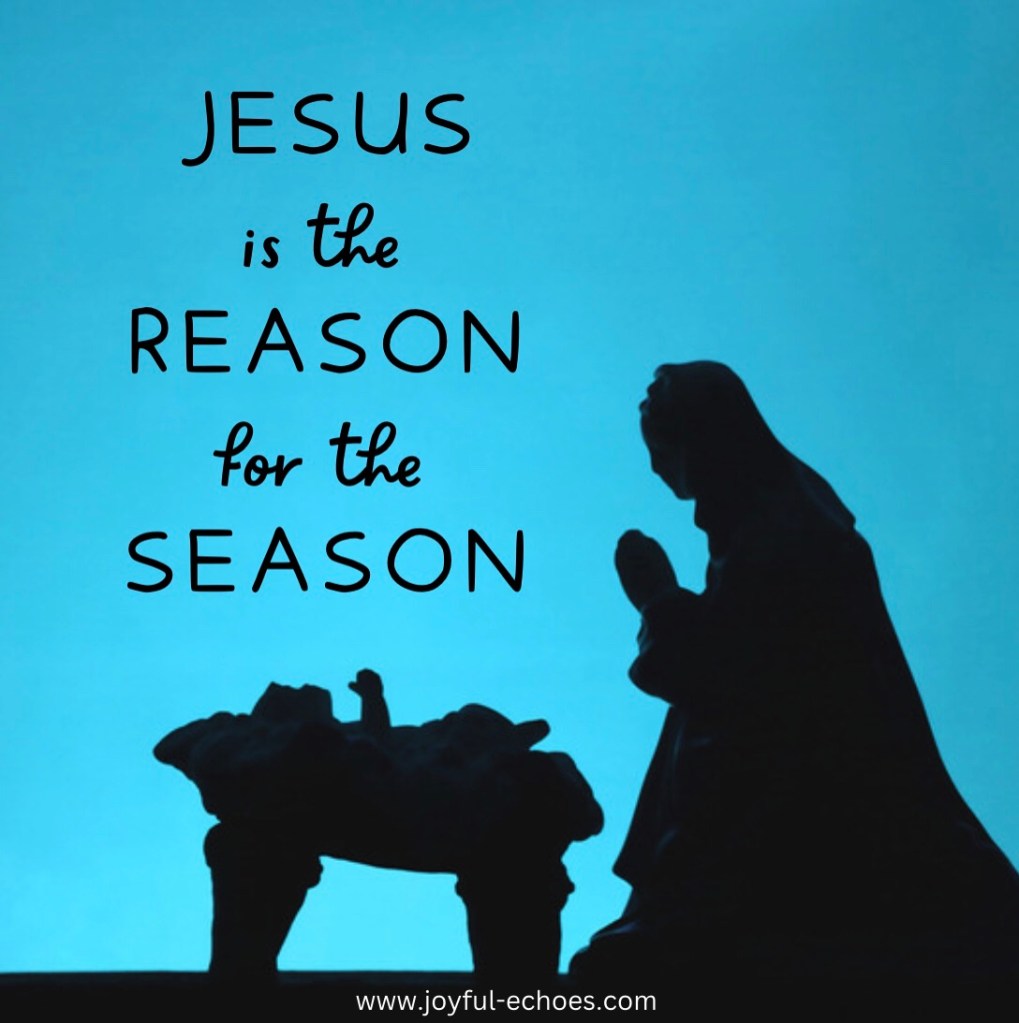
Christmas, often clouded by the allure of gifts and festivities, finds its true purpose in the birth of our Lord Jesus Christ. It’s not merely about the exchange of presents, Santa Claus, or fleeting merriment. The essence lies in recognizing the significance of the divine arrival on this sacred day.
Amidst the commercial clamor, it’s perplexing why some celebrate a holiday rooted in faith without subscribing to its spiritual core. Beyond the superficial trappings of the season, the heartbeat of Christmas resonates in acknowledging the savior’s birth.
The temptation to focus on temporary pleasures or fleeting family perfection should yield to the profound reality that Christmas is a celebration of spiritual renewal. Beyond the tinsel and lights, it’s a call to reflect on our connection with the divine, a reminder of the eternal gift that arrived in the form of a child.
For those seeking salvation, Christmas serves as an invitation to embrace the transformative power of faith. As you embark on the journey of becoming born again, consider the words of Scripture:
John 3:16 – “For God so loved the world, that he gave his only Son, that whoever believes in him should not perish but have eternal life.”
Isaiah 9:6 – “For to us a child is born, to us a son is given, and the government will be on his shoulders. And he will be called Wonderful Counselor, Mighty God, Everlasting Father, Prince of Peace.”
The true meaning of Christmas is encapsulated in the profound love and sacrifice embodied by the birth of Jesus. As you navigate this season, remember that salvation is the ultimate gift, and the path to the kingdom of heaven lies in faith and acceptance.
“In the quiet miracle of Christmas, we find the greatest gift of all – the promise of salvation, the hope of eternal life, and the boundless love of our Savior.”
The Twelve Days of Christmas, also referred to as Twelvetide, is a joyous Christian season dedicated to commemorating the Birth of Jesus, with its origins dating back to 567.
Why were these 12 days deemed significant?
Beyond serving as a reflection of Catholic teachings, the importance of the Twelve Days extended across various denominations. Some religious groups observed Christmas in January, initiating the countdown to the 12 days during that period. The act of counting these days evolved into a meaningful aspect of every holiday season. Even in the Dark Ages, certain Eastern European churches marked the 12 days of Christmas by engaging in daily church services.
For Christians enduring the challenges of this trying era, the 12 days symbolized a time of rededication and renewal. It became a period when believers, including children, received modest yet meaningful gifts of faith. As such, the twelve days held a sacred significance, evident in both coded poems and public worship practices.
The 12 Days of Christmas in 2023
The traditional commencement of the 12 days of Christmas occurs on Christmas Day, extending over twelve consecutive days into the new calendar year. In 2023, the Twelve Days of Christmas will initiate on Monday, December 25, and conclude on Friday, January 5, 2024.
“12 Days of Christmas” – Carol History and Origin
“The Twelve Days of Christmas” stands as an English Christmas carol, detailing a sequence of increasingly magnificent gifts bestowed during each of the 12 days that constitute the Christmas season, starting from Christmas Day. Published in England in 1780 without music, the song is believed to have French origins. The familiar tune associated with it today stems from a 1909 arrangement by English composer Frederic Austin.
Despite attempts to reduce it to a mere Christmas carol, scholars view “The Twelve Days of Christmas” as an important surviving example of a time when the Catholic Church used codes to veil their teachings. Originally a poem by Catholic clerics, the song transformed into a carol during an era when celebrating the 12 days of Christmas held paramount importance, symbolizing a period of rededication and renewal.
Meaning of Each Gift
A Partridge in a Pear Tree: Symbolizing Jesus, the Son of God, who is metaphorically depicted as a mother partridge protecting its young.
Two Turtledoves: Representing the Old and New Testaments, encapsulating the complete story of the Christian faith and God’s plan for the world.
Three French Hens: Symbolizing faith, hope, and love, and reflecting the Holy Trinity: The Father, Son, and Holy Spirit.
Four Calling Birds: Corresponding to the four Gospels – Matthew, Mark, Luke, and John.
Five Gold Rings: Representing the first five books of the Old Testament, known as the Torah or Pentateuch.
Six Geese a-Laying: Tracing back to the first story in the Bible, each egg symbolizes a day of creation.
Seven Swans a-Swimming: Concealing the seven gifts of the Holy Spirit – Prophecy, Ministry, Teaching, Exhortation, Giving, Leading, and Compassion.
Eight Maids-a-Milking: Signifying the 8 Beatitudes from Matthew 5:3-10, reflecting Christ’s care for all, regardless of status.
Nine Ladies Dancing: Representing the Fruits of the Spirit, including Love, Joy, Peace, Patience, Kindness, Goodness, Faithfulness, Gentleness, and Self-control.
Ten Lords a-leaping: Directly tying to the Ten Commandments.
Eleven Pipers Piping: Signifying the 11 Faithful Disciples who carried out the gospel message.
Twelve Drummers Drumming: Tied directly to the Catholic Church, representing the 12 points of doctrine in the Apostles’ Creed.
So consider using the Twelve Days of Christmas as a spiritual journey.
Engage in daily reflections, prayer, and acts of kindness to draw closer to the Lord. Explore the meanings behind each gift in the carol, connecting them to aspects of your faith.
Use this time for personal growth, gratitude, and deepening your relationship with God.
Hello, it’s Deb, and today I’m reflecting on the last time I had some play or fun in my life. It’s a bit challenging to pinpoint, as my idea of fun has evolved over the years. While amusement parks and roller skating were my go-to activities in the past, nowadays, I find joy in exploring art museums and discovering new towns.
Spending time with family is always a highlight, given our busy schedules. Moving to Florida was stressful and yet fun, but the main reasons why we moved here was to be closer to family, friends, and with my joint pain Ohio winters were no longer my friend. With family It’s a precious moment whenever we manage to come together.
I’ve also embraced participating in arthritis events – not only are they fun, but they allow me to contribute to a worthy cause and connect with new people. I look forward to all that here in Florida.
In the hustle of daily life, I make a conscious effort to inject a bit of fun regularly, a laugh, or being a bit silly now and then. Life is too short to be constantly stressed out. Now, I’m curious, what was the last thing you did for play or fun?
Meet Matias, a young and intelligent Christian woman, she was a beautiful old soul, who like bohemian clothing, a good , latte and she taught Sunday school to the children of all ages at the local orphanage. She also carried the weight of her unique name with pride. Named after her father, Matias, she faced constant ridicule, often being called Maddy for short. People would say you have a boys name what’s wrong with you, but growing up she ignored them, because her dad was a war hero. He didn’t talk much about it but he always helped the local orphanage with donations and so she also took on that role. Despite the teasing, Matias remained unwavering in her commitment to making a positive impact on her community.
Her heart overflowed with compassion, especially for orphans. Matias embarked on a mission to ensure that these forgotten children experienced the warmth of love not just during Christmas but throughout the entire year. She passionately raised funds, turning the school into a sanctuary where orphans received not only toys but also essential supplies, clothes, and personal items.
Matias’s resilience in the face of bullying was a testament to her unwavering faith. She became a source of inspiration for the orphans, reminding them that they were not alone, and that, regardless of their circumstances, they were special children of God.
As Christmas approached, Matias redoubled her efforts to make the holiday season magical for the orphans. Despite the challenges she faced, her favorite Bible verse, Isaiah 41:10, resonated in her heart: “Fear not, for I am with you; be not dismayed, for I am your God; I will strengthen you, I will help you, I will uphold you with my righteous right hand.”
Matias’s selfless acts of kindness transformed the lives of the orphans and the community that had initially ridiculed her. Her love and faith prevailed, leaving an indelible mark on those she touched. In the end, Matias proved that a woman named after her father could be a powerful force for good, guided by the strength found in her name and the unwavering promises of her faith.
On that sacred first Christmas night, the resounding message delivered by the heavenly messengers was a simple yet profound one: “Fear not.” In a world gripped by apprehension, suspicion, and uncertainty, this divine proclamation echoed through various key moments surrounding the birth of Christ.
Body:
Zacharias – A Message of Unexpected Fatherhood: The aged priest, Zacharias, found himself in the grip of fear when an angel foretold the miraculous conception of a son who would pave the way for the Messiah. In the face of the unknown, the angel’s reassurance, “Fear not,” served as a precursor to the unfolding of God’s divine plan.
Mary – An Extraordinary Announcement: The young Mary, chosen to bear the Son of God, initially experienced fear at the enormity of the task before her. The angel’s comforting words, “Fear not, Mary,” not only allayed her anxieties but signified the beginning of a journey that would lead to the fulfillment of ancient prophecies.
Joseph – Embracing Divine Purpose: Joseph, confronted with the startling news of Mary’s pregnancy, grappled with fear and embarrassment. The angel’s directive, “Fear not,” conveyed a profound message of trust and reassurance, urging Joseph to embrace his role in the divine narrative.
The Shepherds – Good Tidings of Great Joy: In the quiet fields, shepherds received the announcement of the Savior’s birth. The angel’s words, “Fear not: for behold, I bring you good tidings of great joy,” shattered the prevailing atmosphere of fear, replacing it with the anticipation of a message that would transform the world.
Conclusion:
The recurring refrain of “Fear not” in the Christmas narrative unveils a timeless truth that extends beyond the historical events of that night. Today, amidst our fears and uncertainties, the message remains unchanged. Through the birth of Christ, God declares to each of us, “Fear not.” The presence of Jesus in our lives is the source of courage, hope, and triumph over the tribulations of the world. As we navigate life’s challenges, let us heed the angelic proclamation and find solace in the enduring promise that Christ is with us, having overcome the world.
The timeless carol “Joy to the World” finds its roots in Psalm 98, resonating with the anticipation of Christ’s reign. The proclamation to “shout joyfully to the Lord” reflects the essence of Christmas, celebrating the arrival of our Savior who will judge the earth and reveal righteousness.
Reflecting on the phrase “Let every heart prepare Him room,” we are reminded of those who made room for Jesus during the first Christmas. Mary physically carried the Savior, Joseph embraced him in his heart, and the Magi rearranged their schedules to reach Bethlehem. The question lingers: Are we making room for Jesus in our lives, echoing the resounding joy of our salvation?
In the hustle and bustle of life, joy can be easily lost. Even David, a man after God’s own heart, experienced a joyless season, as seen in possibly Psalm 32. Yet, Psalm 51 reveals his heartfelt prayer for the restoration of the joy of salvation. In times of joylessness and fear, the Good News of Christ remains a balm, as expressed in Luke 2:10 with the angel’s proclamation of “great joy” at the birth of the Savior.
The shepherds, initially anxious, found comfort and joy in the news of the Savior’s birth. Likewise, we can find solace in the great joy that comes with celebrating the Incarnation—the awe-inspiring moment when God entered humanity.
As we navigate the holiday season, let the reminder of Christ’s birth kindle a profound joy within. Consider the incredible joy of the Incarnation, embracing the reality of God with us. In the midst of life’s chaos, may the timeless message of Christmas rekindle joy and gratitude in our hearts.
In the tapestry of the Christmas season, we unwrap a gift beyond measure – the embodiment of God in human form. The divine taking on flesh is not merely a historical event but a perpetual beacon of grace, a reminder of God’s relentless pursuit of those adrift without him. As we delve into the celebration of Jesus this week, let’s discover the life-giving hope and foundational joy woven into the fabric of his incarnation.
Scripture guides our reflections, urging us to adopt the mind of Christ. Philippians 2:5-7 paints a vivid picture of his humility and sacrificial love – the Creator of the universe choosing the form of a servant, born among humanity. This passage invites us to marvel at the profound mystery of God’s self-emptying for the sake of relationship with us.
The Christmas story is more than a historical narrative; it is an ongoing narrative of God’s presence in our lives. In the midst of festive decorations and holiday cheer, let’s not lose sight of the transformative message – God dwelling among us. His incarnation is an invitation to encounter life-giving hope and foundational joy, transforming our understanding of Christmas beyond a seasonal celebration.
As we celebrate Jesus, may this Christmas week be a time of profound reflection, where the truth of Philippians 2:5-7 resonates in our hearts. Embrace the gift of Christ’s incarnation, finding renewed hope and joy in the everlasting relationship offered to us through God’s unfathomable grace.
As the holiday season approaches, our lives often become a whirlwind of activity – from work commitments and shopping to the stress of trying to create the perfect festive experience. In the midst of the chaos, it’s crucial to pause and reflect on the true meaning of Christmas in the Christian tradition.
Christmas, at its core, is a celebration of the birth of Jesus Christ, our Lord and Savior. It is a time to remember the profound significance of this event and to allow its message of hope, love, and compassion to permeate our hearts. Amidst the hustle and bustle, let us take a step back and embrace the spiritual essence of Christmas.
In the Christian narrative, the birth of Jesus represents a divine intervention into a world in need of redemption. It is a symbol of God’s love and grace extended to humanity. This Christmas, let us germinate the seeds of compassion, kindness, and generosity in our own lives, mirroring the virtues embodied by Jesus.
As we revel in the joy of the season, let our hearts be open to those facing challenges such as illness, chronic pain, homelessness, unemployment, and various struggles. In the spirit of Christmas, let us extend our hands to those in need, offering comfort, support, and understanding.
In times of adversity, a prayer can be a source of solace and strength. Let us join our hearts in a prayer for those battling illness or chronic pain, for the homeless seeking warmth and shelter, for the unemployed and underemployed facing financial strain, and for anyone grappling with the burdens of life.
“Dear Heavenly Father,
During this sacred season of Christmas, we come before you with gratitude for the gift of your Son, Jesus Christ. As we celebrate His birth, we are reminded of the boundless love and compassion that you have shown us.
In our prayers, we lift up those who are facing illness and pain, asking for healing and comfort to envelop them. May your grace be a balm for their suffering.
For the homeless, we pray for warmth and safety. May they find shelter and kindness in the hearts of those who can offer help.
For the unemployed and underemployed, we ask for opportunities and doors to open, providing them with the means to support themselves and their loved ones.
In times of struggle, may your guiding light illuminate the path ahead, offering hope and resilience to those facing challenges.
As we celebrate the birth of Jesus, help us embody His spirit of love, compassion, and generosity. May our actions reflect the true meaning of Christmas, extending a helping hand to those in need.
In the hustle and bustle of our daily lives, finding hope can often feel like an elusive pursuit. Yet, amidst the chaos, there are quiet moments, times when worries seem distant and prayers flow freely from the heart. It is in these precious moments that we can begin to practice being hopeful, embracing the connections we have in life, especially our connection to God.
1. Gratitude for Connections
During these quiet times, take a moment to reflect on the meaningful connections in your life. Whether it’s the support of family or the camaraderie of friends, acknowledging these relationships fosters a sense of gratitude. Recognize that the love we experience from others can be a manifestation of the divine love that surrounds us.
2. Acts of Kindness
Hope flourishes when we extend kindness to others. Helping someone in need, cheering up a neighbor, mentoring a child—these acts not only make a positive impact on others but also evoke a sense of purpose and fulfillment within ourselves. The cycle of love, from God to us and through us to others, becomes a powerful source of hope.
3. Affirmation of God’s Love
Start and end each day with a powerful affirmation: “God loves me, and I am worthy of His love.” Reminding yourself of this simple truth instills a sense of security and hope. This practice serves as a constant reassurance, a beacon of positivity that guides you through the challenges of each day.
4. Quiet Reflection
Carve out time in your day for quiet reflection. In these moments of stillness, meditate on the blessings in your life. Focus on the positive aspects, the moments that bring joy, and the strength you derive from your faith. Embracing the good amidst the chaos can significantly contribute to a hopeful mindset.
5. Living True to Principles
Hope is sustained when we live in alignment with our principles. Identify your core values and strive to uphold them in your daily life. Living authentically not only brings a sense of fulfillment but also reinforces a positive outlook, even in the face of challenges.
6. Embracing Purpose
Recognize that you have a purpose. Whether it’s in your career, relationships, or community involvement, understanding your purpose provides a roadmap for your journey. Having a sense of direction and meaning fuels hope and motivates you to overcome obstacles.
7. Holistic Self-Care
Acknowledge the interconnected nature of your well-being. Practice holistic self-care by taking care of your physical, emotional, and spiritual health. Nurture your body through healthy habits, prioritize your emotional balance through prayer and meditation, and feed your spirit with moments of reflection and connection with God.
The practice of being hopeful is a deliberate and transformative journey. It involves nurturing gratitude, spreading kindness, affirming God’s love, reflecting on the positive, living true to your principles, embracing purpose, and caring for your holistic well-being. By incorporating these practices into your daily life, you pave the way for a hopeful and fulfilling existence, even in the midst of life’s uncertainties.
Valerie, a warm-hearted woman with a passion for cooking, filled her home with the aroma of love and savory delights. Her kitchen was a sanctuary where laughter echoed alongside the clinking of utensils, as she prepared meals for her family and friends.
Despite her culinary talents, life posed challenges for Valerie. Diagnosed with Alzheimer’s, she felt the urgency to create lasting memories with her loved ones. Yet, her family, preoccupied with their own lives, inadvertently distanced themselves, assuming they were sparing her from the burden of their busy schedules.
Valerie, in her late 70s and early 80s, faced the challenging reality of Alzheimer’s disease, a diagnosis she had kept hidden from her family for a couple of years. As the symptoms progressed, her days became a fluctuation between clarity and confusion, a stark reminder of the relentless nature of dementia.
Concerned about her deteriorating condition, Valerie made the difficult decision to sell her home and transition into a specialized dementia care facility. However, the weight of disclosing her diagnosis to her family proved to be an emotional hurdle.
Valerie’s three sons immersed themselves in golf, sports, and the relentless pursuit of their own ambitions. Her daughters, entangled in the demands of their families, struggled to find time for meaningful connections. The grandchildren, once regular visitors under Valerie’s care, began to fade away as her condition worsened.
Faced with the cruel reality of Alzheimer’s, Valerie made a heartfelt decision. She chose to check herself into a care facility, parting with cherished belongings to simplify her life. Determined to savor every remaining moment with her family and friends, Valerie longed for genuine love and shared memories.
In the midst of her emotional journey, Valerie found solace in her Christian faith. Despite her fading memories, her pastor brought Bible study to her, creating a sacred space where the words of comfort and wisdom resonated. Two verses that became her pillars of strength were Philippians 4:13 – “I can do all things through Christ who strengthens me,” and Psalm 23:4 – “Even though I walk through the darkest valley, I will fear no evil, for you are with me.”
Valerie’s home became a gathering place, not only for family but for friends who wished to surround her with love. They shared stories, laughter, and embraced the bittersweet reality of the present moment. Valerie reveled in the simple pleasures, relishing the taste of her favorite dishes and the warmth of familiar faces.
As she prepared to transition into the care facility, Valerie emphasized her desire for love and memories rather than pity. She knew her time was limited, but she refused to let Alzheimer’s define her legacy. In the twilight of her life, she became a beacon of strength, a testament to resilience in the face of adversity.
Her family and friends, inspired by her courage, rallied around her, creating a tapestry of shared experiences that would endure beyond the grasp of memory loss. They learned that love transcends the boundaries of time and that true connection is forged in the moments of vulnerability.
In the quiet moments, Valerie found solace in a positive quote that resonated deeply with her – “Life is not measured by the number of breaths we take, but by the moments that take our breath away.” Embracing this sentiment, she embarked on the next chapter of her life, fortified by faith, surrounded by love, and leaving behind a legacy of warmth and resilience for generations to come.
Facts on dementia:
1. **Progression Varies:** Alzheimer’s is a progressive disease, and its course can vary from person to person. Valerie experienced fluctuations in her cognitive abilities, a common aspect of the disease.
2. **Communication Challenges:** People with Alzheimer’s often face difficulties in expressing themselves and comprehending complex information. Valerie struggled with the idea of explaining her condition to her family.
3. **Decision-Making Challenges:** Individuals with dementia may find it challenging to make complex decisions. Valerie grappled with the monumental choice of moving into a care facility.
Talking to family about dementia:
1. **Open Communication:** While it’s daunting, open communication is crucial. Families should create a supportive environment where concerns about memory loss or cognitive decline can be discussed without judgment.
2. **Early Disclosure:** Early diagnosis allows families to plan for the future. Valerie, by keeping her diagnosis a secret, faced the challenge of informing her family when her symptoms were more advanced.
3. **Understanding Emotions:** Both the person with dementia and their family members may experience a range of emotions. It’s essential to approach the conversation with empathy, patience, and a willingness to listen.
Treatment Options:
1. **Medication:** There are medications available that can temporarily alleviate symptoms or slow down the progression of Alzheimer’s. However, these are not cures, and their effectiveness varies.
2. **Therapeutic Interventions:** Cognitive stimulation therapy and reminiscence therapy are among the interventions that can help improve the quality of life for those with dementia.
3. **Specialized Care Facilities:** Moving to a care facility equipped to handle the unique needs of dementia patients can provide a safer and more supportive





 Joyful-Echoes