Growing your own food and connecting to nature is a powerful and rewarding experience that can bring us closer to God. Not only can this practice help to sustain our physical bodies, but it also has spiritual implications. As the Bible says in Proverbs 12:11, “He who tills his land will have plenty of bread, But he who follows frivolity will have poverty enough!” This scripture speaks to the importance of working hard and cultivating the land. And in Galatians 6:7-8, it is written: “Do not be deceived, God is not mocked; for whatever a man sows, that he will also reap. For he who sows to his flesh will of the flesh reap corruption, but he who sows to the Spirit will of the Spirit reap everlasting life.” This passage speaks to the idea that we will reap what we sow, both physically and spiritually.

The act of growing our own food is an act of self-sufficiency, a connection with nature, and a way to remind ourselves of the gifts of God. It is a reminder that we can trust in God for all of our needs. When we plant our gardens and tend to them throughout the season, we are reminded of our faith and dependence on God. Planting and harvesting our own fruits and vegetables is a reminder of the miracles God has created and how we can glorify Him in our lives. It is also a reminder of how we are all connected to the land and each other.
Growing our own food can offer us peace, community, and connection with God. By getting our hands in the dirt and learning to cultivate the land we can build a closer relationship with God, deepen our understanding of nature, and experience the joy of eating fresh fruits and vegetables that we grew ourselves. Even patios gardens with tomatoes and peppers in a pot allows us to get one with Mother Earth
The Benefits and Joys of Small-Space Vegetable Gardening
The world we live in today is fast-paced, with most people busy with work and other responsibilities. As such, it’s essential to slow down and take time to enjoy some leisure activities that can improve our quality of life. One such activity is gardening, which can be both therapeutic and rewarding. However, not everyone has the luxury of a big garden or yard. For those living in small apartments or homes with limited outdoor space, vegetable gardening may seem like a far-fetched idea. But worry not, because with a little creativity and some helpful tips, you can create your own mini-garden oasis.
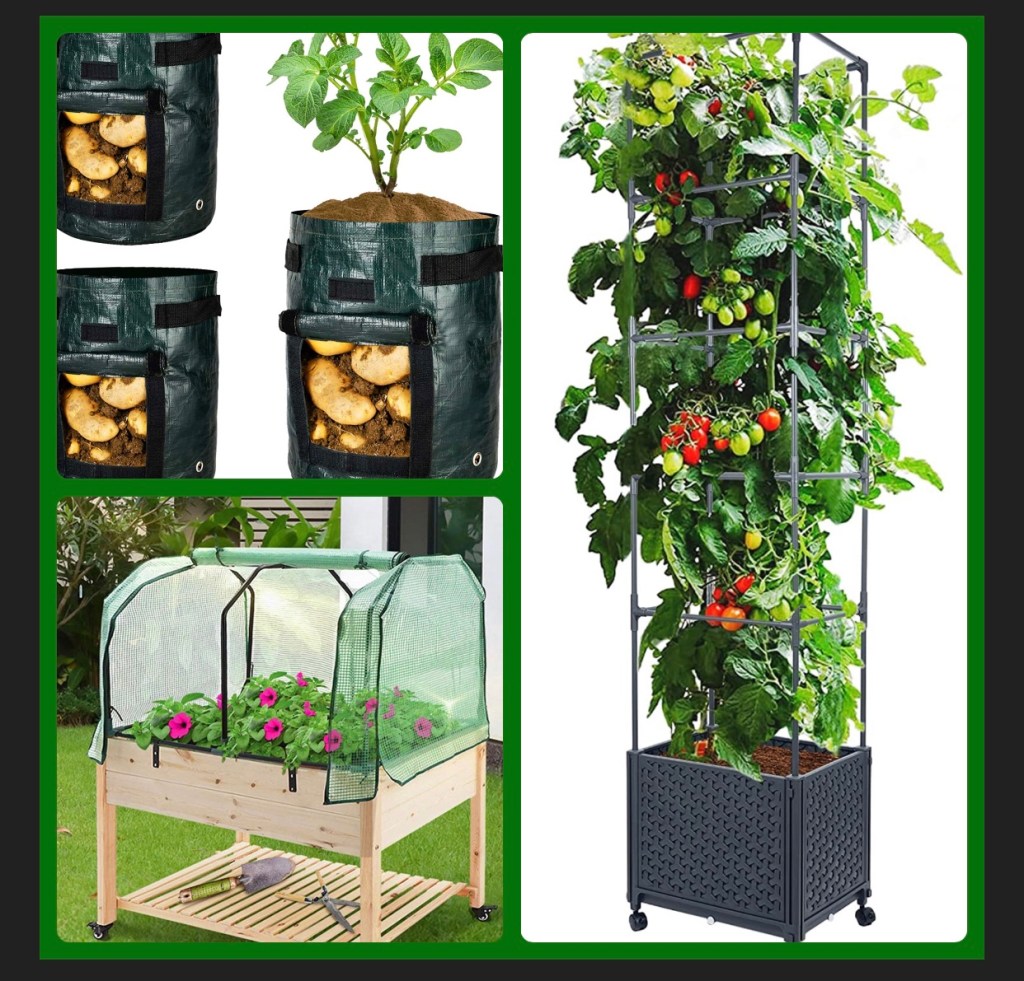
One excellent way to start small-space vegetable gardening is by using patio pots. Patio pots come in various sizes and materials, making them ideal for growing different types of vegetables. For instance, you can grow lettuce, spinach, and other leafy greens in small pots, while larger ones can accommodate tomato plants and bell peppers. Additionally, patio pots offer flexibility, allowing you to move them around to maximize sunlight exposure or protect them from harsh weather conditions.
Another great option for small-space gardening is vertical gardening. This technique involves growing plants upwards rather than outwards, using trellises, hanging baskets, or wall-mounted planters. Vertical gardening helps save on space and can add aesthetic appeal to your balcony or patio. You can grow cucumbers, beans, peas, and other vining vegetables using this method.
When it comes to planting, you have two options: seeds or seedlings. Seedlings are young plants that are already a few weeks old and are ready to be planted, while seeds require more time and effort to germinate. If you’re a beginner or if you have limited time, seedlings are a perfect choice as they save time and shorten the growing season. However, starting with seedlings will limit the types of plants you can grow. If you prefer a more diverse selection of vegetables, starting with seeds is the way to go.


 Joyful-Echoes