Posted in drought, Faith, Gardens, gods-love, living water

Nourishing the Garden of the Soul

Have you ever witnessed a garden during a drought? Wilted vines, brown dry stalks, absent flowers, drooping leaves with brown edges, and withered fruit paint a picture of despair. Similarly, our souls can experience a similar state when deprived of spiritual nourishment.

Before finding peace in Christ, we resembled wilted plants, longing for rejuvenation. Yet, even after our rebirth, continual spiritual watering is essential. Just as Jesus understood thirst (John 4:7, 19-28), our flourishing relies on spiritual hydration.

In John 4:1-30, Jesus embarks on His earthly ministry, transcending social and cultural barriers to engage with a Samaritan woman. Despite her status and past, Jesus offers her living water, symbolizing salvation and spiritual renewal (John 4:24).

Just as watering is vital for a thriving garden, spiritual nourishment is crucial for our souls. Isaiah 58:11 promises guidance and restoration, likening us to well-watered gardens. Despite life’s dryness, Jesus offers an eternal spring of living water, ensuring perpetual fruitfulness (John 4:14).

In Revelation, the Lamb leads us to springs of living water, assuring us of abundant life (Rev 7:17). This living water, available to all, revitalizes and replenishes us (Rev 22:17). When our personal resources run dry, Jesus, the source of living water, sustains us unfailingly (John 7:37-38).

Like trees planted by water, we need not fear droughts or difficulties when rooted in Jesus (Jeremiah 17:7-8). David exemplifies seeking God’s sustenance in times of spiritual drought (Psalm 61:1-3; 63:1; 42:1-3,5; 22:14-15).

Reflecting on Psalm 23, we recognize the Shepherd’s role in providing and refreshing us. By deepening our roots in the living water, our lives bear fruit and glorify God (Psalm 1:3).

Jesus offers us an everlasting spring of living water, sustaining and revitalizing our souls amidst spiritual droughts. Let us continually draw from this abundant source, nurturing the garden of our souls and glorifying the Shepherd who leads us to springs of eternal life.

Heavenly Father,

We come before you with humble hearts, recognizing the dryness and thirst within our souls. In the midst of spiritual drought, we turn to you, the source of living water, knowing that only you can quench our deepest longings and revive our spirits.

Lord, we pray for those who are wandering in the desert of doubt and despair, unable to find solace in the world around them. May they hear your gentle call and turn their eyes to Jesus, the wellspring of life.

Grant them the courage to come to you, just as they are, with all their fears, doubts, and uncertainties. Help them to trust in your promises and to drink deeply from the waters of your grace and love.

As they encounter your presence, may their souls be refreshed, their spirits renewed, and their lives transformed. Like tender shoots after a rainstorm, may they flourish and grow in faith, bearing fruit that brings glory to your name.

We ask for your guidance and strength to sustain them on this journey of faith, knowing that with you, all things are possible. May they never lose hope, but always cling to the promise of your abiding presence and unfailing love.

In Jesus’ name, we pray,

Amen.
Posted in Gardens

The Garden Preacher

In a pretty and quaint little village nestled amidst rolling hills of West Virginia and vibrant meadows of wild flowers there lived a woman named Grace. Grace had a deep love for nature and a green thumb like no other. Her garden was a lush oasis of colorful blooms, fragrant herbs, and abundant vegetables that thrived under her gentle care.

As the seasons changed, Grace’s garden flourished, yielding bountiful harvests. But Grace had a bigger vision in mind. She wanted to share her knowledge and blessings with her community. So, she embarked on a mission to teach others the art of gardening, all while spreading the word of God.

Every Saturday morning, Grace opened the gates of her enchanting garden to her neighbors. People from all walks of life gathered, eager to learn the secrets of cultivating their own fruitful gardens. Grace greeted everyone with warmth and kindness, sharing stories of her own gardening adventures intertwined with biblical teachings.

With her wise words and gentle guidance, Grace taught her neighbors the importance of patience, perseverance, and nurturing in both gardening and life. She emphasized the lessons learned from tending to the soil and how they applied to personal growth and spiritual development.

Under Grace’s tutelage, the once novice gardeners blossomed into skilled cultivators. They learned the significance of sowing seeds of kindness, tending to the needs of others, and reaping the rewards of their efforts. The garden became a symbol of unity, where people connected, shared stories, and formed lasting friendships.

Grace not only fed her neighbors’ bodies with the fresh produce from her garden but also nourished their souls with her unwavering faith. During breaks from gardening tasks, she would gather everyone in a circle, and together they would recite prayers, sing hymns, and listen to Grace’s inspiring sermons.

Word of Grace’s remarkable garden and her unique way of teaching spread far and wide. Visitors flocked to the village, eager to experience the transformative power of gardening and the uplifting messages shared by Grace. The once peaceful village transformed into a bustling hub of growth, both in gardens and in spirits.

Through her dedication and love for gardening, Grace cultivated not only a flourishing garden but also a thriving community. Her impact reached beyond the borders of her village, inspiring others to find solace in nature, embrace the teachings of God, and nurture their own gardens of faith and abundance.

And so, Grace’s legacy continued to grow, one seed at a time, reminding us all that in cultivating the earth, we can cultivate our souls and create a world filled with love, compassion, and spiritual growth.

Posted in Gardens, joyful-echoes, Seasons

Growing Our Own Food

Growing your own food and connecting to nature is a powerful and rewarding experience that can bring us closer to God. Not only can this practice help to sustain our physical bodies, but it also has spiritual implications. As the Bible says in Proverbs 12:11, “He who tills his land will have plenty of bread, But he who follows frivolity will have poverty enough!” This scripture speaks to the importance of working hard and cultivating the land. And in Galatians 6:7-8, it is written: “Do not be deceived, God is not mocked; for whatever a man sows, that he will also reap. For he who sows to his flesh will of the flesh reap corruption, but he who sows to the Spirit will of the Spirit reap everlasting life.” This passage speaks to the idea that we will reap what we sow, both physically and spiritually.

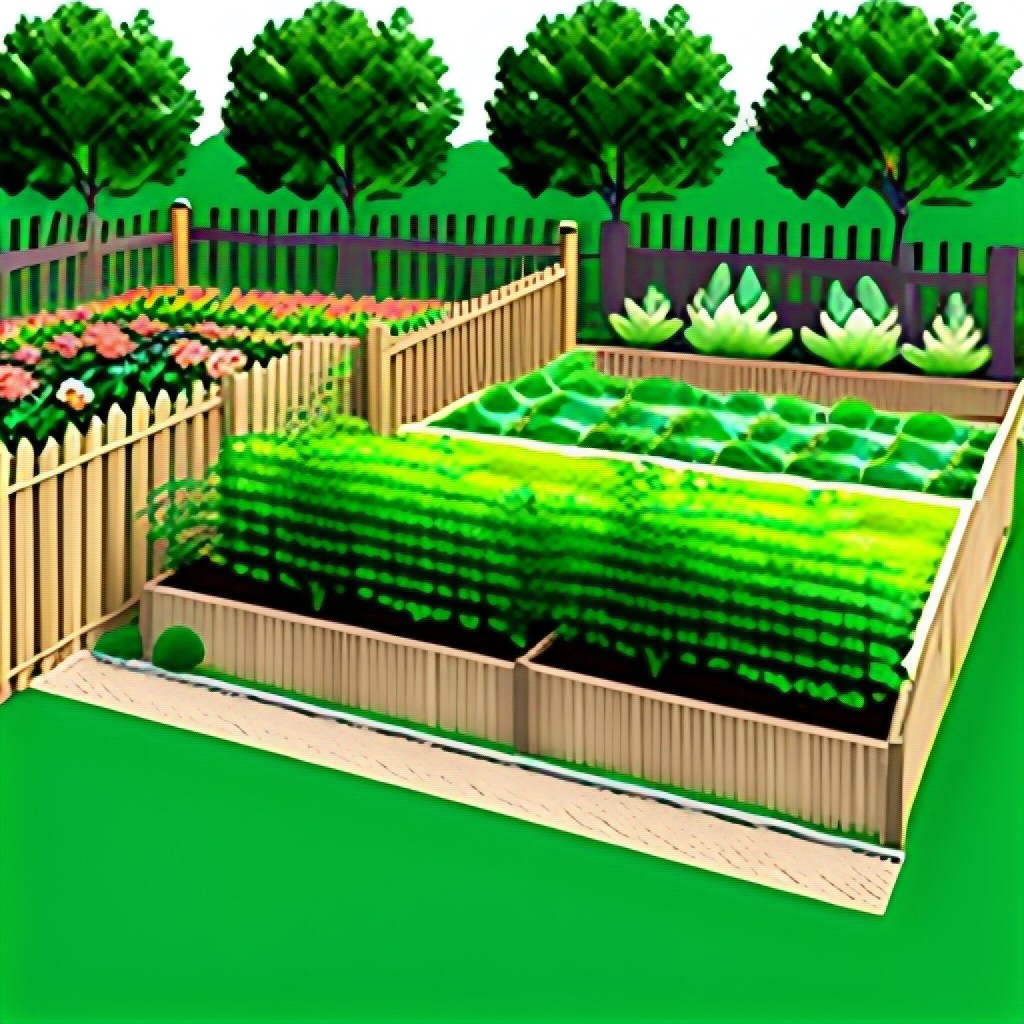
The large area raised garden

The act of growing our own food is an act of self-sufficiency, a connection with nature, and a way to remind ourselves of the gifts of God. It is a reminder that we can trust in God for all of our needs. When we plant our gardens and tend to them throughout the season, we are reminded of our faith and dependence on God. Planting and harvesting our own fruits and vegetables is a reminder of the miracles God has created and how we can glorify Him in our lives. It is also a reminder of how we are all connected to the land and each other.

Growing our own food can offer us peace, community, and connection with God. By getting our hands in the dirt and learning to cultivate the land we can build a closer relationship with God, deepen our understanding of nature, and experience the joy of eating fresh fruits and vegetables that we grew ourselves. Even patios gardens with tomatoes and peppers in a pot allows us to get one with Mother Earth

Ways to grow plants no matter how small the area is.

The Benefits and Joys of Small-Space Vegetable Gardening

The world we live in today is fast-paced, with most people busy with work and other responsibilities. As such, it’s essential to slow down and take time to enjoy some leisure activities that can improve our quality of life. One such activity is gardening, which can be both therapeutic and rewarding. However, not everyone has the luxury of a big garden or yard. For those living in small apartments or homes with limited outdoor space, vegetable gardening may seem like a far-fetched idea. But worry not, because with a little creativity and some helpful tips, you can create your own mini-garden oasis.

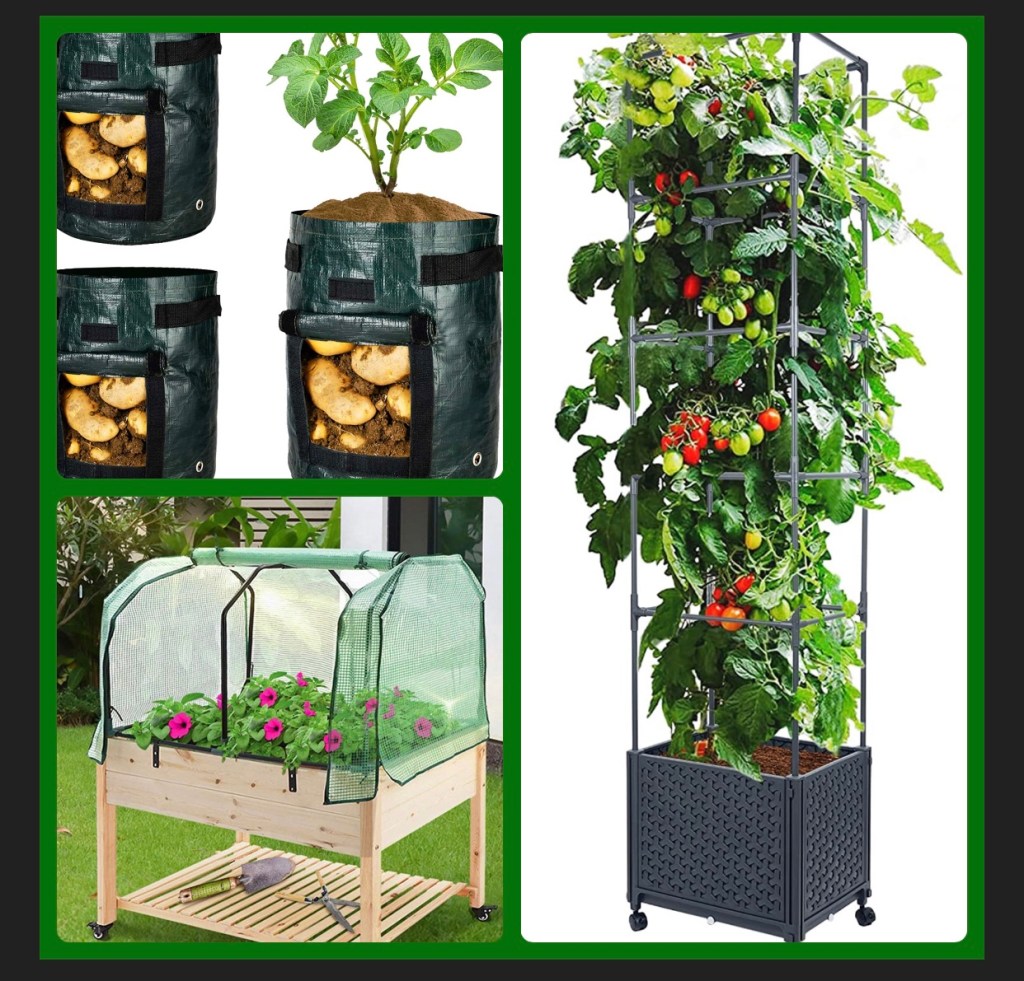
One excellent way to start small-space vegetable gardening is by using patio pots. Patio pots come in various sizes and materials, making them ideal for growing different types of vegetables. For instance, you can grow lettuce, spinach, and other leafy greens in small pots, while larger ones can accommodate tomato plants and bell peppers. Additionally, patio pots offer flexibility, allowing you to move them around to maximize sunlight exposure or protect them from harsh weather conditions.

Another great option for small-space gardening is vertical gardening. This technique involves growing plants upwards rather than outwards, using trellises, hanging baskets, or wall-mounted planters. Vertical gardening helps save on space and can add aesthetic appeal to your balcony or patio. You can grow cucumbers, beans, peas, and other vining vegetables using this method.

When it comes to planting, you have two options: seeds or seedlings. Seedlings are young plants that are already a few weeks old and are ready to be planted, while seeds require more time and effort to germinate. If you’re a beginner or if you have limited time, seedlings are a perfect choice as they save time and shorten the growing season. However, starting with seedlings will limit the types of plants you can grow. If you prefer a more diverse selection of vegetables, starting with seeds is the way to go.

Posted in Gardens, joyful-echoes

Find Joy When Living With Chronic Pain

Hey guys!

Today I want to talk about finding joy even when we’re facing chronic pain. As someone who has dealt with chronic pain myself, I know how challenging it can be to stay positive and find joy in our daily lives. But trust me, it’s possible.

One of the ways that I’ve found helpful is through meditation and yoga. These practices have been shown to not only improve our physical health, but also our mental wellbeing. They help us to center ourselves, breathe deeply, and focus on the present moment – all things that can help to ease our pain and lift our mood.

Another way to find joy when dealing with chronic pain is through positive thought imagery. This involves visualizing positive outcomes and focusing on the good in our lives, even when things feel difficult. Reading a Bible or other holy book can also help to provide comfort and inspire hope during tough times.

In addition to the practices I mentioned, a great way to cope with chronic pain is through therapy, such as tapping. Tapping helps to alleviate physical and emotional stress, and can quickly reduce the intensity of pain and negative emotions. While it’s not a “cure” for chronic pain, it can definitely help to manage it.

Finally, no matter how hard things may seem, never forget that joy and happiness are within your grasp. The scriptures from the New Testament below remind us to be strong in the face of adversity:

Philippians 4:4-7 – “Rejoice in the Lord always; again I will say, rejoice. Let your gentleness be known to all men. The Lord is at hand. Be anxious for nothing, but in everything by prayer and supplication, with thanksgiving, let your requests be made known to God; and the peace of God, which surpasses all understanding, will guard your hearts and minds through Christ Jesus.”

Romans 15:13 – “Now may the God of hope fill you with all joy and peace in believing, that you may abound in hope by the power of the Holy Spirit.”

So, keep these scriptures and words of encouragement in mind as you continue your journey with chronic pain. With mindful practices, a positive attitude, and faith, you can-find joy even in the darkest of moments.